Sudanese kisra is among the top 10 types of bread in the world
In celebration of Sudan's rich heritage
Written by: Mohamed Ragab
In a global celebration of culture and popular culinary arts, Sudanese kisra caught the eye after being chosen among the top 10 types of bread in the world, in a ranking published by CNN, in a move that many considered a crowning achievement of the ancient Sudanese heritage and an international recognition of the value of Sudanese cuisine and its cultural and human standing.
Samia Abdel Hafeez Ibrahim, President of the National Commercial Cooperative Foundation, Board Member of the Arab Cooperative Union, and Advisor for Humanitarian Affairs and Foreign Relations to Zoom Africa, affirmed that this achievement is not merely a tribute to a popular food item, but rather reflects the depth of Sudanese civilization and the richness of the cultural heritage that Sudanese people have preserved across generations, foremost among them Sudanese women who have played the greatest role in preserving and developing this heritage.
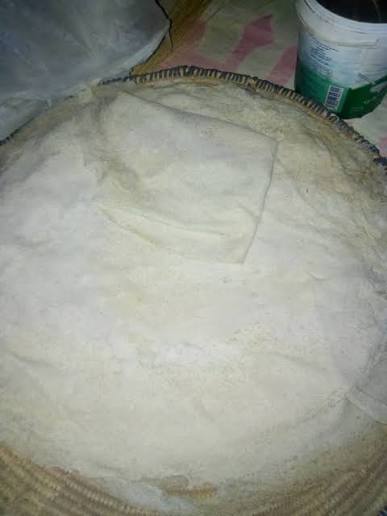
She explained that Sudanese women have succeeded in transforming corn grains into a complete food product that carries cultural, social and health dimensions, as the methods of preparing fermented dough have developed according to the differences in local cultures and Sudanese tribes, resulting in “Kisra,” which is known for its thinness and cooking on a griddle, while in other areas it turns into “Asida,” which is one of the most prominent foods associated with generosity and social cohesion in Sudan.
Making distinctive popular drinks
She added that Sudanese innovation extended to employing kisra dough in the manufacture of distinctive popular drinks, including the “nasha” drink, which is prepared with cardamom and senna and is traditionally used in the care of women after childbirth, as well as being consumed during the month of Ramadan because of the lightness and comfort it provides to the stomach.
The drink “Abreh” or “Hilu Murr” also stands out as one of the most important heritage products associated with Sudanese corn culture.
She pointed out that the journey of making kisra reflects the development of the Sudanese people throughout history, starting from traditional cooking with firewood between stones in what is known as ”al-ladaya”, passing through the use of charcoal stoves and gas stoves, and reaching modern electric griddles and manufacturing machines that contributed to moving kisra from local to global.
Samia Abdel Hafeez Ibrahim emphasized that the greatest credit for Kisra reaching this global status goes to Sudanese women, who have remained the true guardians of this heritage within homes, cities, and villages, and have passed it down from generation to generation, until “making Kisra” has become an integral part of Sudanese identity practiced by women in their various professional and social positions.
She continued, “We also send, via Zoom Africa, a message of thanks and appreciation to the jury of the Culinary Culture Festival, which crowned Sudanese Kisra as one of the top 10 types of bread in the world. Thanks are also due to CNN for publishing this historic event, which represents a real starting point for Sudanese Kisra from local to global.”.
She concluded by saying, “We extend our thanks and appreciation to the management of Zoom Africa for their interest in African affairs politically, socially and economically, and for their role in highlighting authentic African cultures and heritages.”.