
Why is Eritrea forcing its citizens to deposit their money in banks?
Eritrea recycles liquidity within banks... Financial control or economic reform?
Written by: Badr Ahmed
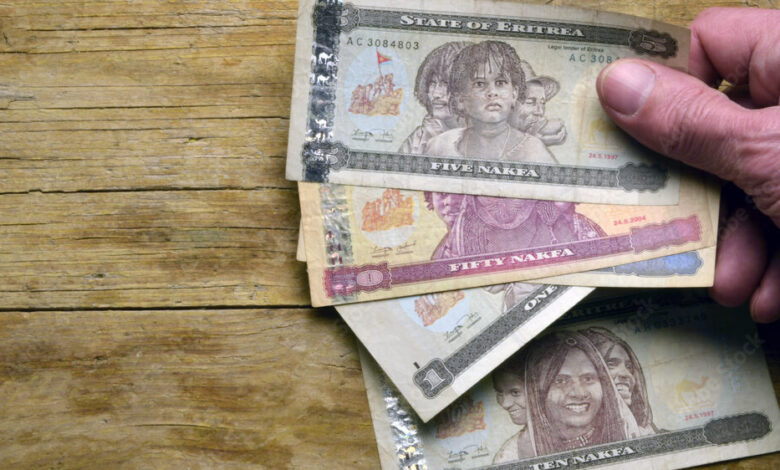
The Central Bank of Eritrea has issued new directives requiring all citizens and institutions to deposit all their cash holdings in the national currency, the Nakfa, into commercial banks before the end of July. The decision will be implemented immediately, a move that reflects the authorities' tightening control over cash liquidity circulating outside the banking system.
According to the directives, it is prohibited to hold large amounts of Nakfa currency outside of banks for extended periods, emphasizing that violations of these instructions will subject offenders to legal prosecution, without the central bank specifying the nature of the penalties that may be imposed on violators.
Eritrea requires citizens to deposit their money in banks.
The authorities also called on citizens who do not have bank accounts to quickly open accounts and deposit their cash in them before the deadline, as part of a plan that aims to bring as much of the money supply as possible into official banking channels.
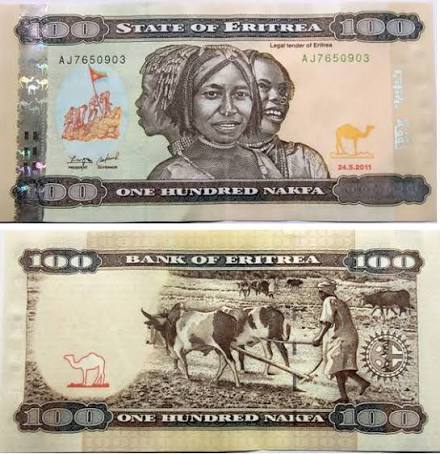
These measures come amid existing restrictions on cash withdrawals, as banking regulations in Eritrea do not allow account holders to withdraw more than five thousand nakfas per month, reflecting the strict approach the government takes in managing monetary policy.
Observers believe that the decision aims to restore liquidity outside the banking system, enhance the state's ability to monitor money movements, and tighten control over the money supply, within a financial system known for its strict control over foreign currencies and banking activities.
This step is not the first of its kind, as the Eritrean government had previously implemented a similar measure more than a decade ago during a monetary reform process, when it compelled citizens to deposit all cash into banks concurrently with the reissuance of the national currency.
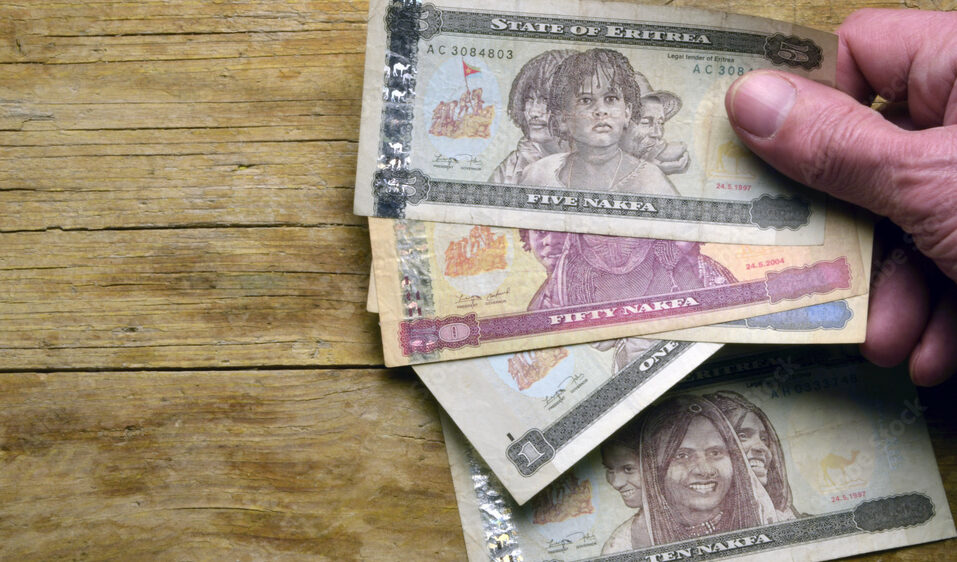
At that time, the government justified the decision by the need to combat illicit financial transfers and promote economic stability. However, these measures drew criticism from economists who considered that the strict restrictions on cash transactions slowed down commercial activity and reduced families' flexibility in managing their daily expenses.
As the new decision comes into effect, attention is focused on the extent of citizens' and institutions' adherence to the specified deadline, and on the repercussions of this policy on economic activity and liquidity within the markets, in light of the continued government approach based on tightening control over the financial system.




 Arabic
  English
  French