
Cameroonian crops: Tea penetrates the British royal palace, and cocoa and coffee lead
Agricultural products account for one-third of export revenues.
Written by Ziad Abdel Fattah:
Although the growth Oil industry Since 1980, there has been a gradual decline in the importance of agriculture, forestry, and fishing in Cameroon's GDP, yet this sector continues to play a prominent role in the economy.
According to the Encyclopædia Britannica, while about nine-tenths of the workforce was employed in this sector in the 1970s, this figure later decreased to slightly more than half.
Primary agricultural and forestry products account for about one-third of total export revenues, with sawn timber, cocoa, cotton, and coffee being the most important agricultural exports.
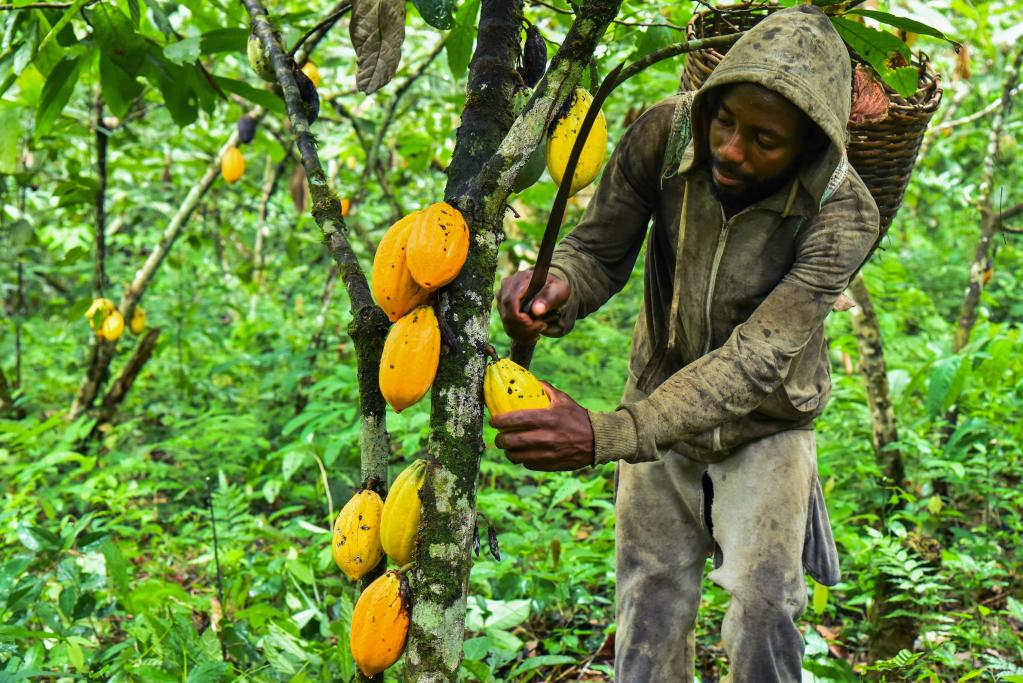
Small farms contribute a significant portion to exports.
Small farms contribute a large part of agricultural exports. The main crops for self-consumption include bananas, beans, potatoes, yams, cassava, maize, and palm oil in the south, and peanuts, millet, and cassava in the north.
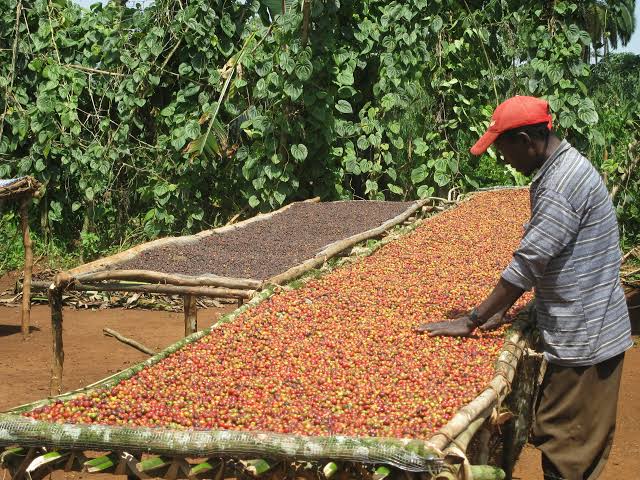
Cameroon is one of the largest producers of cocoa beans in the world, primarily grown in the south. Robusta coffee, which makes up the majority of the country's coffee harvest, is grown in the warm, humid southern regions and on the elevated western plateau, where Arabica coffee is also cultivated.
Crops were negatively affected by the aging of farms and the delay in their modernization. Cotton was introduced to the country in 1952 and is mostly grown in pastures by individual farmers. The country has systematically diversified agricultural production to include other crops such as palm oil, rubber, and sugar.
Food production keeps pace with population growth, and the country is generally self-sufficient. Domestic meat consumption is relatively high for a sub-Saharan African country. Livestock is exported to Nigeria, Equatorial Guinea, and the Republic of the Congo, while hides are exported to Nigeria and Equatorial Guinea.
Forests cover about half of the country's area, but only a third of the available hardwood resources are exploited. Nevertheless, the export of sawn timber, which accounts for more than one-tenth of Cameroon's export earnings, is one of its most important sources of commercial income.
Forestry is mostly limited to the most accessible areas along the Douala-Yaoundé railway line and main roads, but expansion into new areas is growing rapidly.
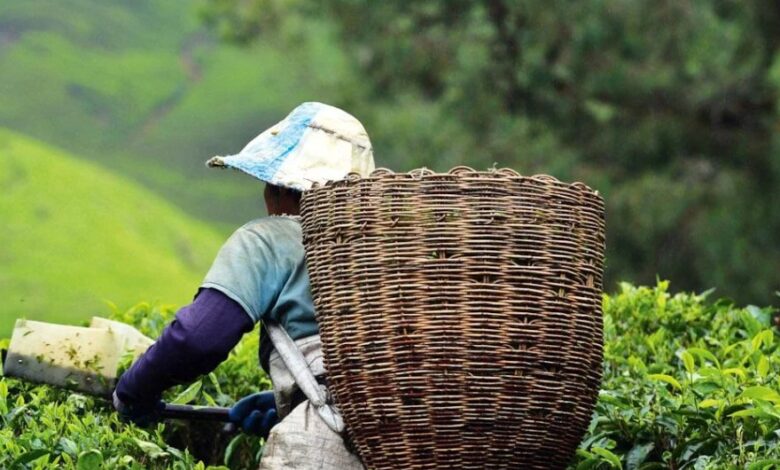
Although tea is not native to Africa, its commercial cultivation began under colonial rule, using tea seeds from the Royal Botanic Gardens in Kew and Edinburgh in the United Kingdom, and later from Ceylon (Sri Lanka) and India.
African tea-growing regions are mostly located in mountainous areas, where there is cool, fresh air and abundant rainfall.
These regions extend from the quiet Cameroon highlands in the west to the high plateaus and mountain foothills on either side of the Great Rift Valley, which plunges steeply across eastern Africa.
Africa includes 13 tea-producing countries, and its tea production is a vital part of the global tea economy, representing the largest share of global tea exports. Investments directed towards infrastructure, replanting, land reclamation, and modern technologies are contributing to enhancing tea production in Africa, positioning African countries for sustained growth.
Cameroonian tea is one of the products that reached the British royal palace, even though Cameroon is not among the most famous tea-producing countries globally.
This comes against the backdrop that tea plantations in the Western Highlands of Cameroon, especially in the Ndawu and Limbe regions, produce high-quality tea thanks to the mild climate and volcanic soil. Over the past decades, tea production companies have succeeded in exporting a portion of their production to European markets, including the United Kingdom. Cameroonian tea was presented among the types of tea supplied to the British Royal Palace during the reign of Queen Elizabeth II, as one of the premium teas used in British blends.



 Arabic
  English
  French