Passports as a mirror of influence: The 10 most powerful African passports in the 2026 ranking
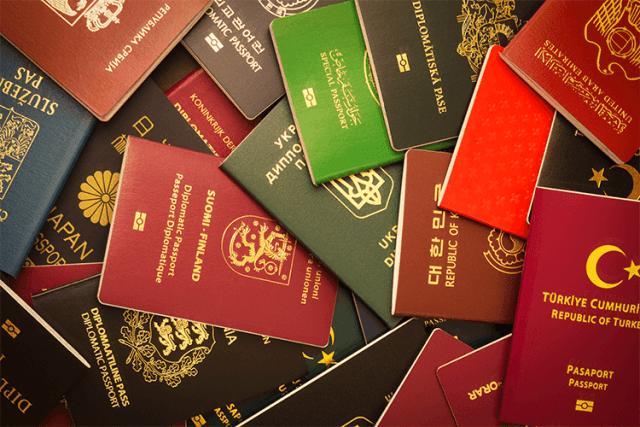
The passport has become a "card of influence".«
Written by Omnia Hassan
In a world where freedom of movement has become an accurate indicator of the strength of diplomatic relations, the passport has become travel To a "card of influence" that reflects the status of countries on the international stage.
While they differ Travel opportunities Without a visa from one country to another, the latest data from Henley & Partners reveals remarkable shifts in the map of African passports during 2026.
Although a number of African countries have improved their global ranking, this has not always been reflected in an increase in the number of visa-free destinations.
This discrepancy is attributed to stricter immigration policies in some regions and slow progress on bilateral visa agreements.
The sovereignty of the islands: Seychelles and Mauritius take the lead.
Seychelles continues to lead the continent, having advanced to 22nd place globally, with visa-free access to 154 countries, retaining its position as the strongest African passport.
Mauritius follows, ranking 25th globally, with access to 147 destinations, confirming the stability of its diplomatic strength despite the decrease in the number of available countries compared to last year.
The south of the continent is consolidating its presence.
South Africa has advanced to 46th place globally, with visa-free entry to 100 countries, remaining one of the most globally connected African passports.
Botswana also advanced to 56th place (81 countries), followed by Namibia at 61st place (74 countries).
Small countries are making significant diplomatic moves.
Lesotho ranked 62nd (73 countries), while Eswatini came in 63rd (71 countries), indicating a relative improvement despite increasing global restrictions.
North and East Africa in the picture
Morocco also ranked 63rd, benefiting from its extensive network of trade and tourism relations.
In the east of the continent, Malawi advanced to 64th place (70 countries), while Kenya climbed to 65th place with visa-free access to 69 countries, bolstered by its regional economic weight.
Freedom of movement between diplomacy and border policies
These indicators reveal that the strength of a passport is no longer linked only to the number of countries available without a visa, but rather to the country’s ability to maintain stable and balanced relations in an international environment that is moving towards more restrictions.
In this context, African countries that have succeeded in improving their global ranking, even with a slight decline in freedom of entry, stand out as examples of the effectiveness of diplomacy in a time of tightened borders.