The Masai Mara National Reserve: Kenya's largest wildlife gathering and greatest animal migration | Report
It was classified as one of the New Seven Wonders of the World
Written by: Mohamed Abdellah
The Masai Mara National Reserve, located in southwestern Kenya, is a vast, scenic expanse of gently undulating African savannah plains covering 1,510 square kilometers, bordered to the south by Tanzania’s Serengeti National Park. .
The Masai Mara is a unique wildlife sanctuary, renowned for its stunning natural diversity, and is the premier safari destination in Kenya and East Africa, providing visitors with numerous reasons to visit this animal paradise. .
The Masai Mara National Reserve: Kenya's largest wildlife gathering and greatest animal migration
The Masai Mara National Reserve was established in 1961 and is considered one of the largest wildlife gatherings. Initially, it covered an area of only 520 square kilometers, and then it expanded a short time later to the east to cover an area of 1,821 square kilometers.
Over time, the Masai Mara Wildlife Reserve has transformed into a comprehensive reserve for monuments, animals, plants, and humans as well.
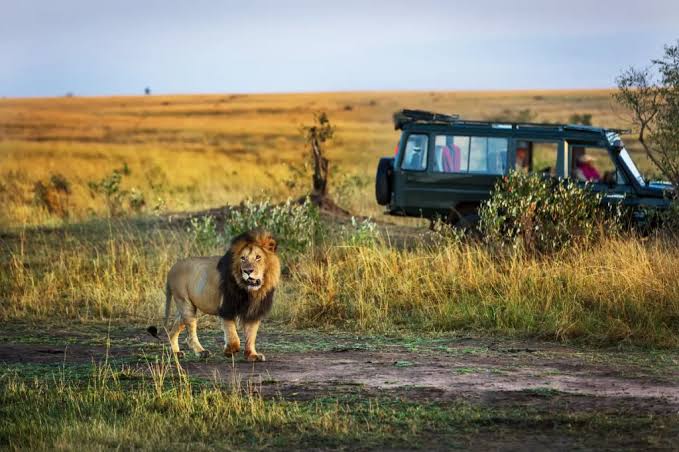
Tourists from all over the world travel to the Masai Mara for a safari experience, especially since the reserve has been designated as one of the New Seven Wonders of the World.
The reserve is home to large numbers of lions, leopards, elephants, rhinos, African buffalo, wild animals, giraffes, zebras, and many other animals that live in their natural environment, without restrictions, and roam freely in the vast Kenyan wilderness that stretches for miles. .
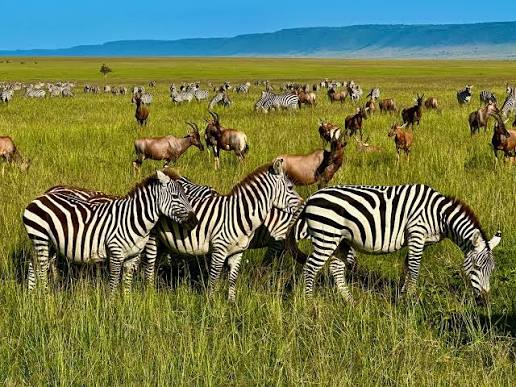
The reserve is known worldwide for its tall, black inhabitants with distinctive red clothing, as well as for the presence of lions, leopards, and tigers. Huge herds of zebra migrate annually, along with deer, elk, antelopes, and other wildlife, to the Serengeti between July and October. Scientists call these movements the “Great Migration.”.
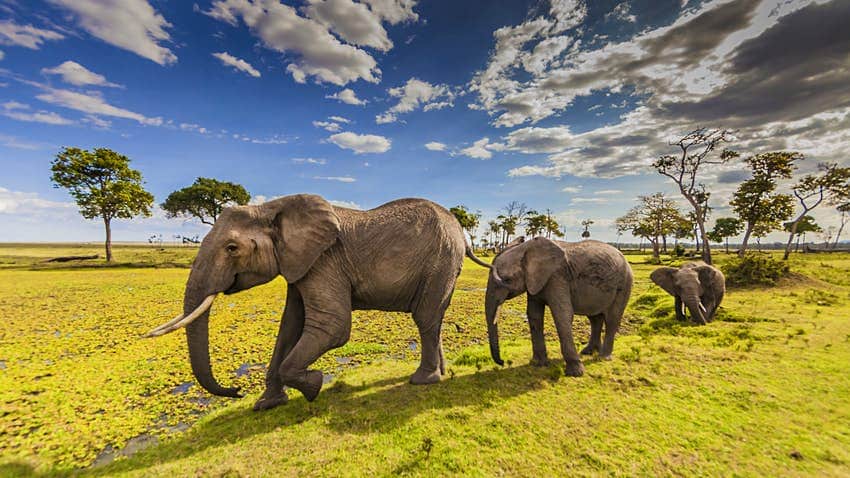
The Masai Mara National Reserve is the largest wildlife sanctuary
The reserve is located within an ecological zone known as the “Mara Serengeti”, which extends over an area of 25,000 square kilometers and is characterized by remarkably high rainfall rates. The country’s residents and locals believe that the place is different in terms of time, place, and the passage of time compared to the surrounding areas.
The region is traversed by several rivers, such as the Talek and Mara rivers, which branch out through the area and nourish the trees and grasses that cover the hills and help the animals to live.
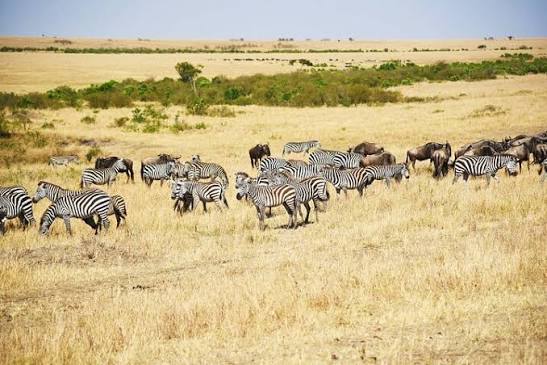
Masai Mara Wildlife Reserve
Aquatic animals such as hippos and crocodiles multiply in those rivers in large and dangerous groups to animals passing through the rivers.
The various types of deer occupy the reserve, and between migrations, their numbers increase to provide predators and the population with a source of food throughout the year.
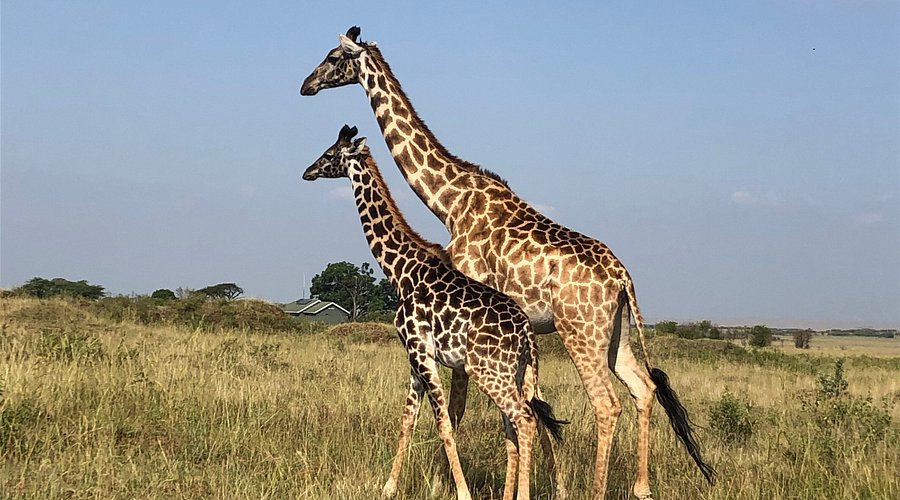
The populations of lions, tigers, and African buffalo are increasing, in addition to the presence of animals such as the black rhinoceros, and groups of hyenas, wolves, and foxes, which, along with tigers, lions, and leopards, form a hunting ground that attracts tourists, animal observers, and scientists to follow and photograph the rare and unique scenes.
During the migration season, hunting operations increase, as lions lie in wait on the road to hunt the abundant meat, and what is left of it goes to the vultures, hyenas, and carrion eaters, and life continues in a cycle of giving and receiving.
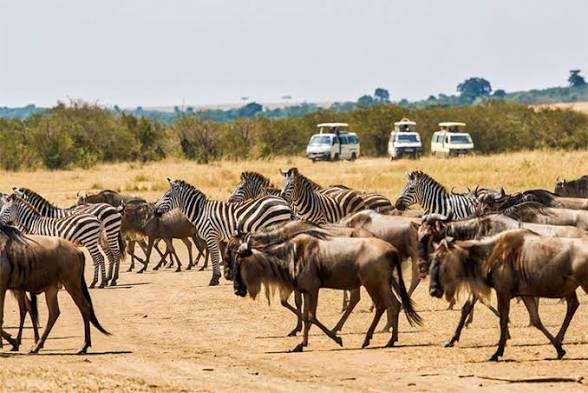
The reserve witnesses a large movement of about 1.3 million wild animals that constantly move in search of pastures, mating, favorable climate and water, as well as to escape the waves of drought that hit some areas at different times of the year.
The reserve is home to approximately half a million Thomson's gazelles, 100,000 Toby's gazelles, 20,000 Ellands, and about 200,000 zebras.