Does the exodus of 20 million children from schools threaten the future of Nigeria's economy?
Mohammed Ali Bati calls for investment in education and health
Written by: Mohammed Omran
The education crisis in Nigeria is no longer just a social challenge, but has become a direct threat to the future of Africa’s most populous economy.
.Does the exodus of 20 million children from schools threaten the future of Nigeria's economy?
As nearly 20 million children face the risk of remaining out of school, there are growing fears that the country is losing one of its most important drivers of growth: human capital.
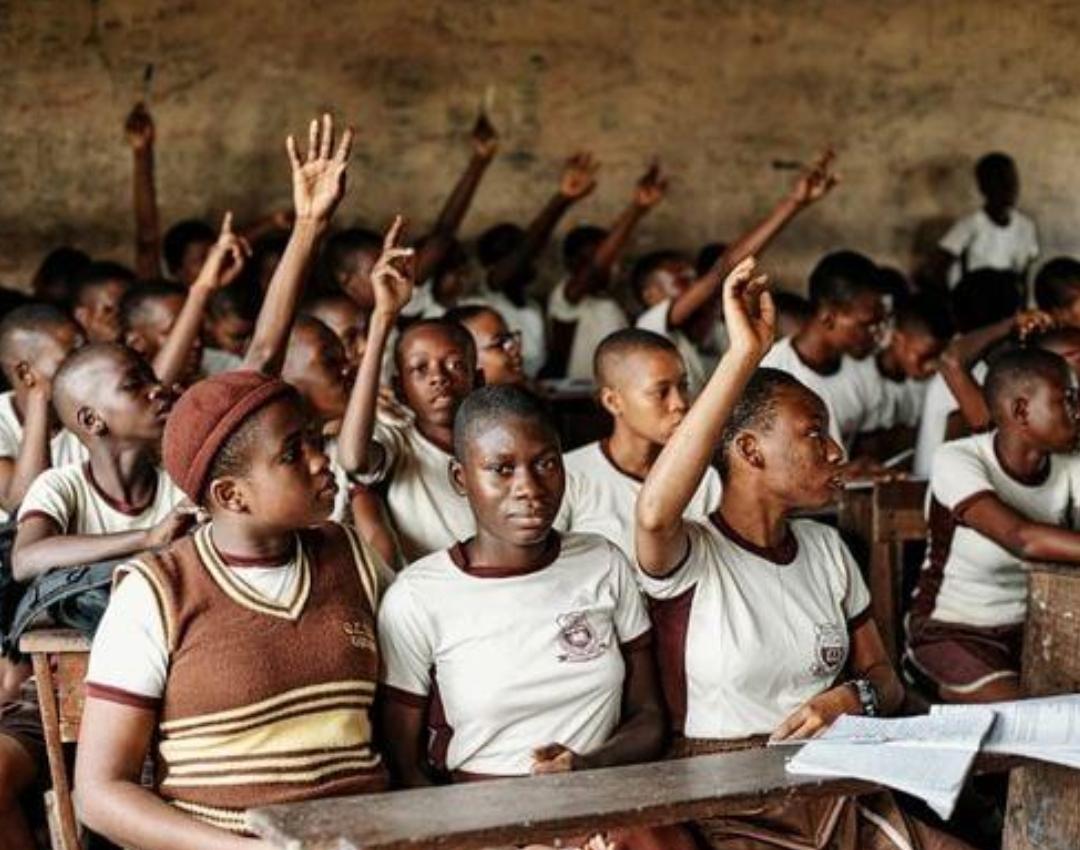
With poverty, malnutrition, and poor education continuing, warnings are mounting that the cost of neglecting investment in human beings could be far greater than any other economic challenges, putting the government to a real test in building a more sustainable future for generations to come.
Mohammed Ali Bati calls for investment in education and health
Nigeria’s Minister of Health and Social Welfare, Professor Mohammed Ali Bati, warned that the country’s human capital crisis poses a real threat to the future of economic growth, stressing that the continued denial of education and health care to millions of children will negatively affect development in the coming decades.
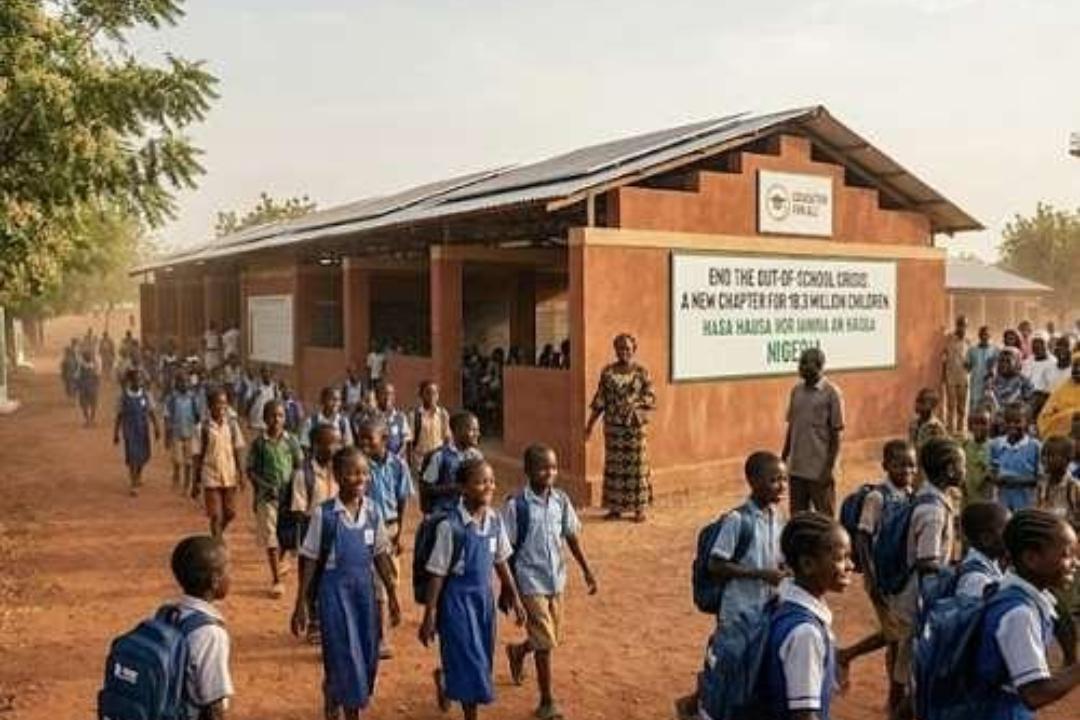
Speaking at the North Nigeria Human Capital Development Summit in Abuja, Batty said that about 20 million children are still out of school, while nearly 701,000 children enrolled in education are unable to read and understand a simple paragraph by the age of 10, reflecting the scale of the challenges facing the education sector.
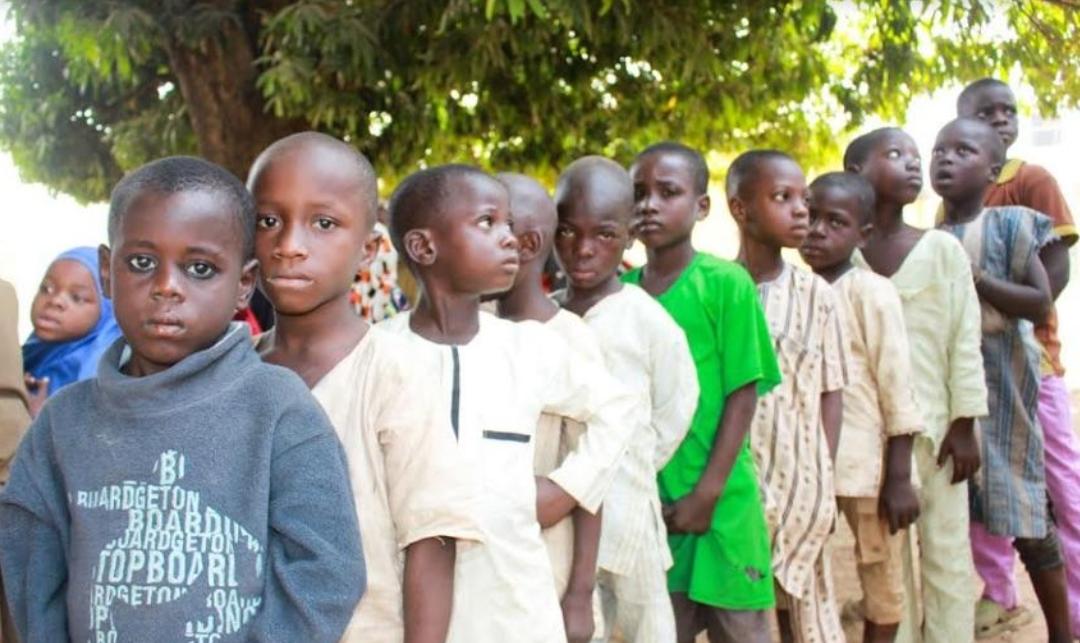
The minister explained that decades of weak investment in the health and education sectors have contributed to the decline in human development indicators, especially in northern Nigeria, which has the highest rates of poverty, child malnutrition, and maternal and child mortality. He noted that about 86 million people, representing 65% of the country’s multidimensional poor, live in this region.
He stressed that investing in maternal health, child nutrition, quality education, and early childhood development is the cornerstone of achieving sustainable development, considering that human development is no less important than investing in infrastructure.
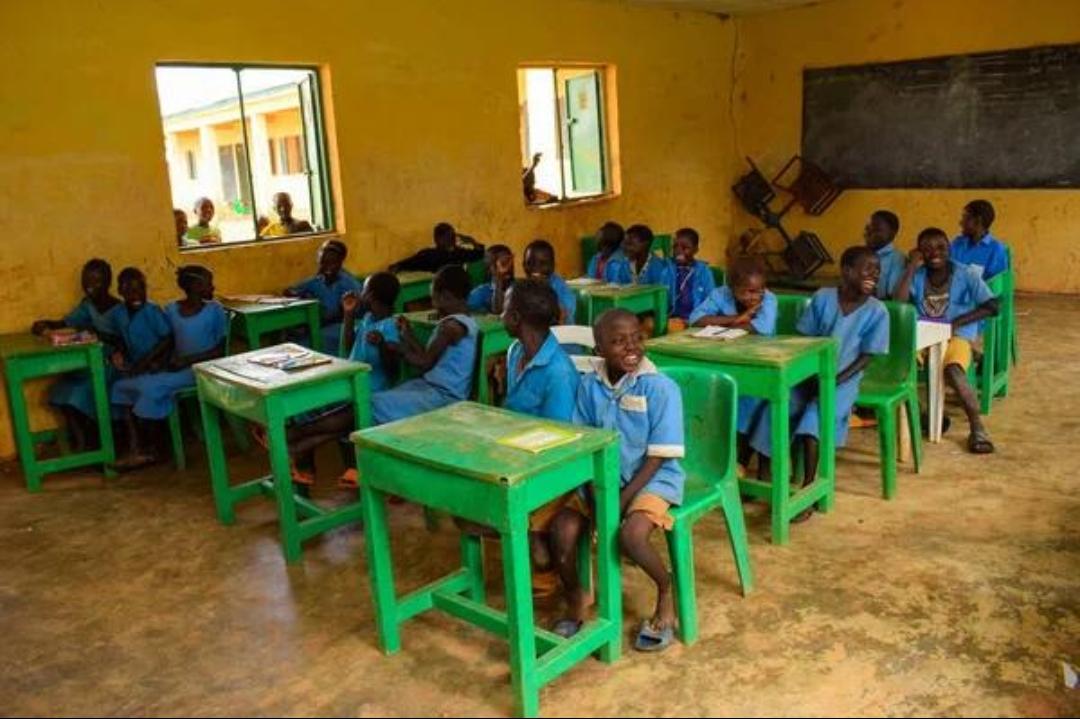
He also warned of a widening economic gap between northern and southern Nigeria by 2050 if current demographic trends continue, calling on governments to prioritize human capital development and transform the country’s large youth population into a driving force for economic growth through education, training, and health care.