Written by: Mohammed Omran
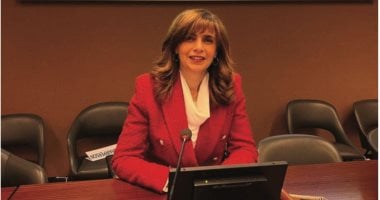
In a new victory for Egyptian diplomacy, and in recognition of the prestigious position and increasing appreciation that Egypt enjoys on the international stage under the leadership of President Abdel Fattah El-Sisi, the intensive Egyptian diplomatic efforts over the past months culminated in the election of Ambassador Nada Darar to the Committee on the Elimination of All Forms of Discrimination against Women for the period 2027-2030 in the elections held on June 26, 2026 at the United Nations headquarters in New York.
This result came after a heated electoral competition in which the candidate came in second place among 20 candidates, with a total of 141 votes, reflecting international appreciation for Egypt’s firm positions in supporting women’s rights and promoting efforts to empower them on the regional and international levels.

This diplomatic move came within the framework of implementing the directives of His Excellency President Abdel Fattah El-Sisi to work on strengthening the Egyptian presence and supporting national competencies to run for leadership positions on the international stage, in line with Egypt’s weight and its regional and international role.
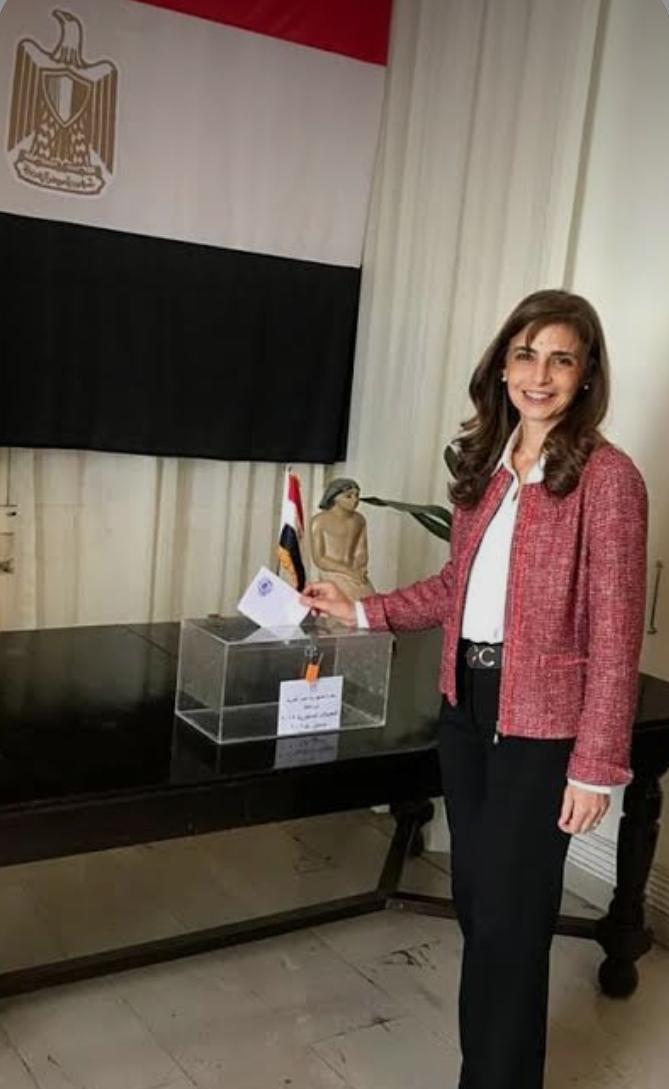
The Ministry of Foreign Affairs played a pivotal role in supporting this nomination, by preparing a comprehensive plan to promote it during the past months, at the level of capitals and through our permanent mission to the United Nations in New York. The plan was based on reviewing the intensive national efforts made in the file of women’s empowerment and the progress witnessed in political, economic and social rights.
The Ministry of Foreign Affairs expresses its appreciation to the friendly countries that supported the Egyptian nomination, and affirms the commitment of Egypt’s representative on the committee to fulfill its role during the coming period, and to work on developing its mechanisms, in a way that ensures balance and inclusiveness in addressing women’s empowerment issues, in a manner that takes into account the cultural particularities and national circumstances of countries, and promotes women’s economic, social, civil and political rights.