Dangote Refinery: A $20 Billion Project Reshaping the Future of the Nigerian Economy
One of the most prominent factors of economic stability

Written by Omnia Hassan
In a move reflecting a remarkable economic shift, the refinery contributed oil Nigerian businessman Aliko Dangote’s $20 billion project has helped Nigeria secure its first sovereign credit rating upgrade in 14 years, according to S&P Global Ratings, which cited the project as one of the country’s key economic stabilizing factors amid global energy market turmoil.
Refining boom boosts the economy
The refinery, located near the city of Lagos, is currently operating close to its maximum production capacity of 650,000 barrels per day, which has helped reduce Nigeria's dependence on fuel imports, despite it being one of the largest producers of crude oil in Africa.
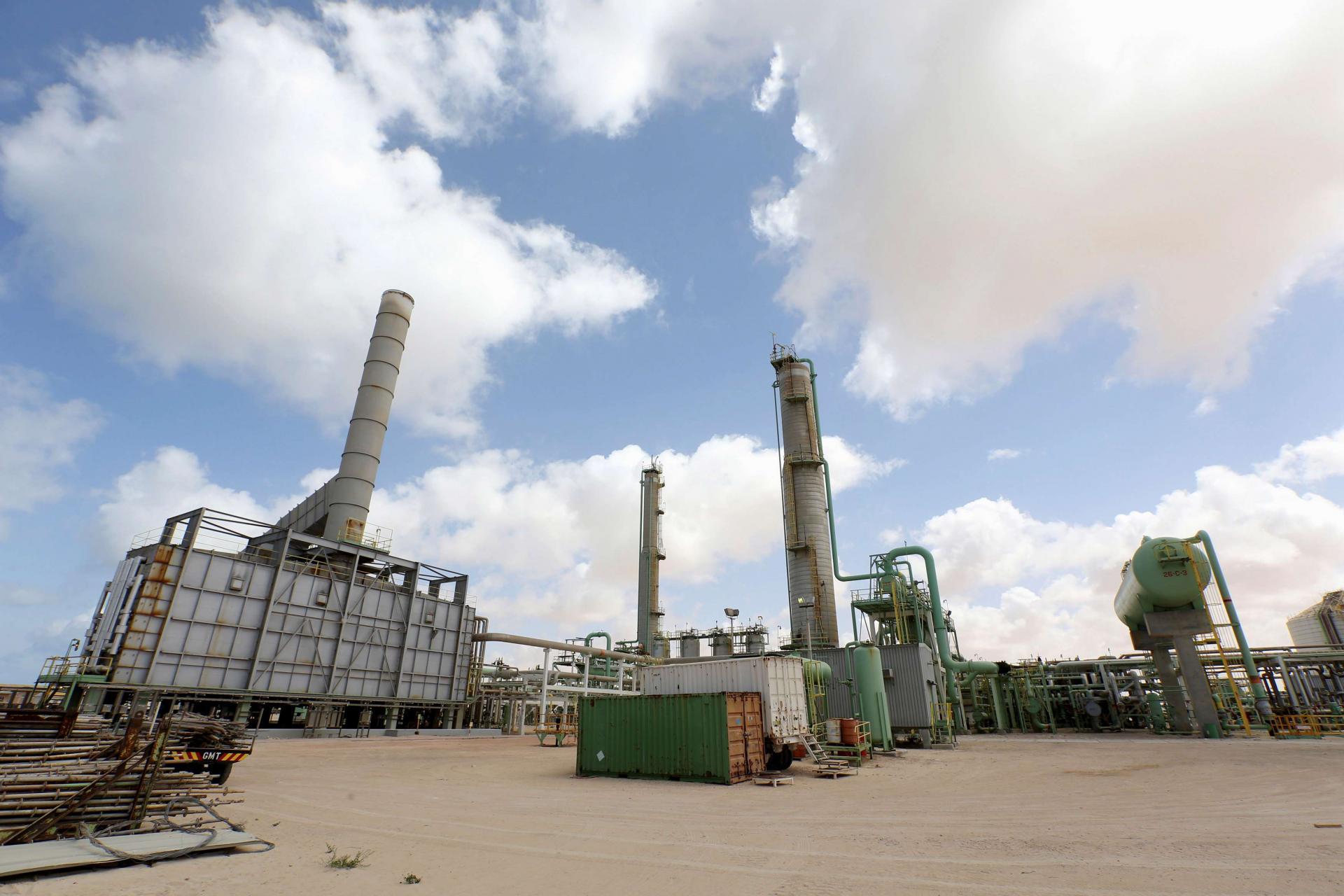
S&P Global Ratings confirmed that the project has supported foreign exchange reserves and improved the current account position, in addition to providing stable domestic supplies of fuel, gas and fertilizers, which has mitigated the impact of supply disruptions related to geopolitical tensions in the Middle East.
First credit upgrade since 2012
The agency raised Nigeria’s long-term credit rating from “B-” to “B”, in a move described as an indication of improved confidence in the Nigerian economy. It also noted that foreign exchange reserves had risen to $50 billion by March 2026, compared to just $33 billion in 2023.
The current account surplus is expected to reach approximately 5.8% of GDP this year, driven by increased domestic production of petroleum derivatives and a reduction in the import bill.
Strategic expansion plans
Dangote's ambitions do not stop at current capacity, as the group revealed plans to study expanding the refinery's production capacity to 1.4 million barrels per day, which would make it one of the largest refineries in the world.
Strengthening the external balance and improving the country's creditworthiness
S&P believes the project has become structurally important to Nigeria’s economy, not only in the energy sector, but also in strengthening the external balance and improving the country’s creditworthiness.
Reforming the local refining sector
Despite this improvement, the agency warned of continued inflation challenges, predicting that rates would gradually decline to less than 10% by 2028, in conjunction with the continued reform of the domestic refining sector and the rehabilitation of state-owned refineries.