The Constitutional Council in Senegal annuls the reform bill, dealing a blow to the parliamentary majority.
The Supreme Court rejects amendments aimed at redistributing powers between the President, Prime Minister, and Parliament
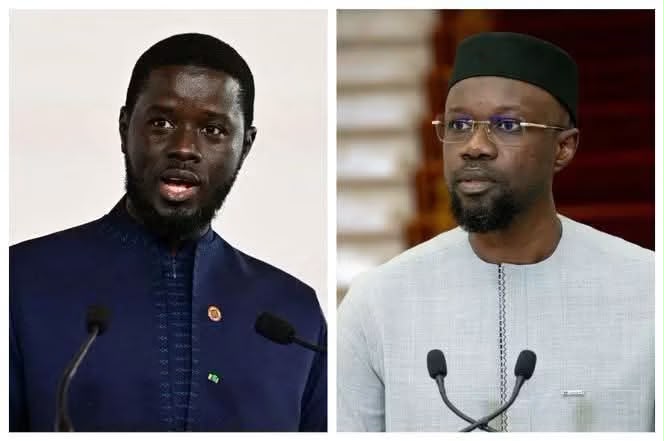
Written by: Mohamed Ragab
The Senegalese Constitutional Council delivered a strong blow to the parliamentary majority after it decided to invalidate the constitutional reform bill approved by the National Assembly, considering that the text included procedural and constitutional violations, in addition to the absence of the necessary financial estimates for the implementation of some of its provisions.
The decision came following a referral from President Bassirou Diomaye Faye, who asked the Constitutional Council to review the draft amendment before it takes effect, a move that reflects the ongoing debate about the future of political and institutional reforms in the country.
Reasons for rejecting constitutional reform
The Constitutional Council clarified that the bill did not meet the legal and constitutional requirements, pointing to procedural loopholes, as well as the lack of financial allocations for the establishment of the new Constitutional Court stipulated in the bill, which it considered a breach of the constitutional controls for approving such reforms.
The Council also observed that some of the proposed items conflicted with the balance established by the current constitution between state institutions, particularly concerning the distribution of powers between the President of the Republic, the Prime Minister, and the National Assembly.
Reform aimed at strengthening Parliament's role
The constitutional amendment project, advocated by the ruling PASTEF party, aimed to redistribute powers within the political system by granting the Prime Minister and the National Assembly broader authority, thereby strengthening the parliament's role in managing public affairs and limiting some of the President of the Republic's powers.
Supporters of the project see it as a step towards strengthening parliamentary oversight and establishing a balance of powers, while opposition forces and a number of civil society organizations have considered some of its provisions to be potentially confusing to the existing constitutional order.
Political reactions
A number of opposition parties and civil society organizations welcomed the Constitutional Council's decision, considering that it preserves the stability of institutions and affirms respect for the provisions of the constitution.
For his part, the President of the National Assembly, Ousmane Sonko, commented on the decision via social media platforms, confirming that the Constitutional Council's rulings are binding on everyone and that what happened reflects the functioning of the country's democratic institutions.
In contrast, the presidential coalition called for continuing dialogue between the various political forces to reach institutional reforms that achieve national consensus, ensuring the development of the political system without causing constitutional crises.
Challenges to Political Reforms
This development comes amid escalating political divisions within the power structure, which further complicates the path of reforms pledged by President Bassirou Diomaye Faye since coming to power.
Observers believe that the Constitutional Council's decision may push the executive authority to rephrase the reform project, in accordance with the provisions of the constitution, and ensure a broader political consensus before it is re-submitted to the competent institutions.