Idi Amin - The dictator who ruled Uganda with an iron fist and ended up in exile in Saudi Arabia
From soldier to head of state
Written by Amina Hassan
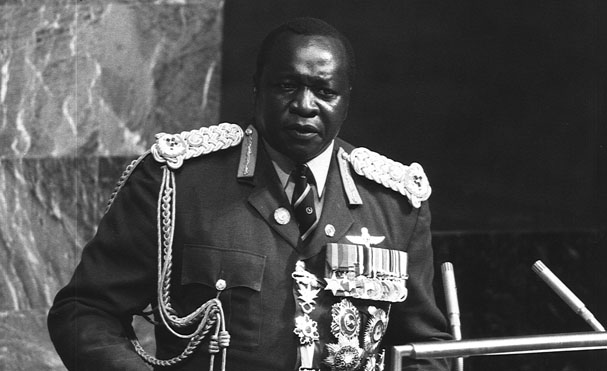
Idi Amin is considered one of the most controversial rulers in African history during the 20th century. His name is associated with widespread human rights violations, mass killings, and political and economic decisions that led to Uganda's collapse and international isolation. Decades after his downfall, his name remains prominent in political and historical studies as a model of authoritarian military rule.
From soldier to head of state
Idi Amin Dada was born in 1925 in northwestern Uganda. He joined the colonial British Army forces, and after Uganda's independence, he swiftly rose through the military ranks to become the army commander.
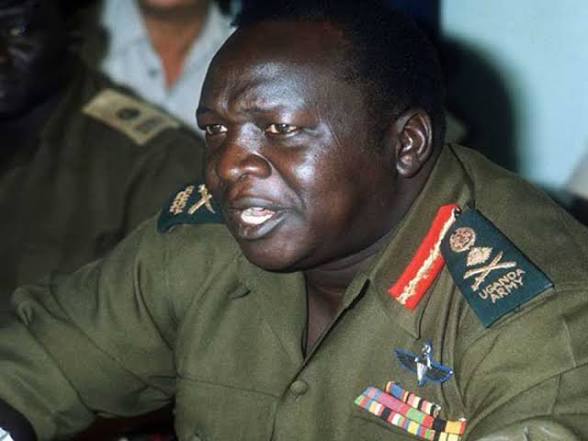
In January 1971, he seized power in a military coup while President Milton Obote was out of the country, declaring himself president of Uganda, a move initially welcomed by some countries before attitudes changed as abuses escalated.
Years of suppression and bloodshed
Idi Amin's rule between 1971 and 1979 was one of the bloodiest periods in Uganda's history. Human rights organizations and historians estimate that between 100,000 and 500,000 people were killed as a result of executions, forced disappearances, and torture.
He also targeted political opponents, army officers, and individuals from different ethnic groups, which led to a state of terror and instability within the country.
Decision to expel Asians
In 1972, Idi Amin issued a decree expelling around 60,000 Asians, mostly of Indian descent, giving them a short deadline to leave Uganda, and confiscating their property and businesses.
Despite presenting the decision as a step to ”empower the national economy,” its outcomes were catastrophic, as the trade and industry sectors collapsed, and the economic crisis worsened due to a lack of expertise and investments.
The end of the reign and escape into exile
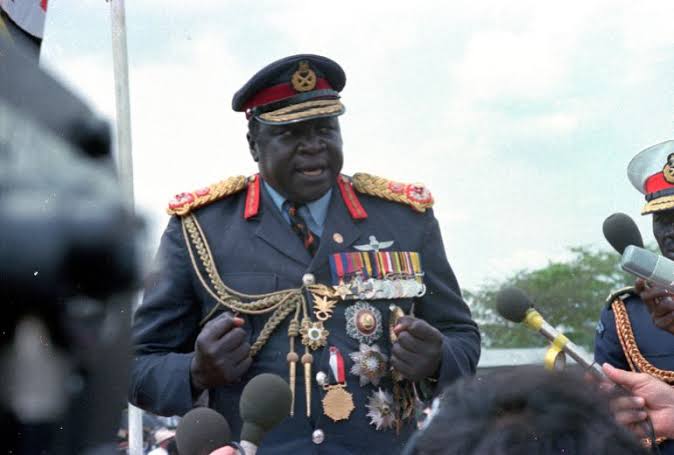
In 1978, Uganda entered into war with Tanzania, but the Ugandan forces suffered a significant defeat. In April 1979, Idi Amin's regime fell after Tanzanian forces and opposition elements entered the capital, Kampala. He first fled to Libya, then Iraq, before settling in Saudi Arabia.
And he lived there, far from political life, until his death in the city of Jeddah in 2003 at the age of 78, without being prosecuted for the crimes attributed to him.
A legacy that still sparks controversy
Idi Amin's rule remains a dark chapter in Uganda's history, cited in research on military regimes and gross human rights violations.
In contrast, some researchers believe that his reign also reflects the impact of internal conflicts and the legacy of colonialism in shaping the political crises that many African countries have witnessed.
The name Idi Amin remains linked to one of the continent's harshest political experiences, as he transformed from a military leader into an absolute ruler, before ending up in exile, leaving behind a legacy of bloodshed and economic and political collapse.