Central African Treasures… Billion-Dollar Investment Opportunities Await Investors
Central Africa... A country rich in resources seeks investors.
Written by: Badr Ahmed
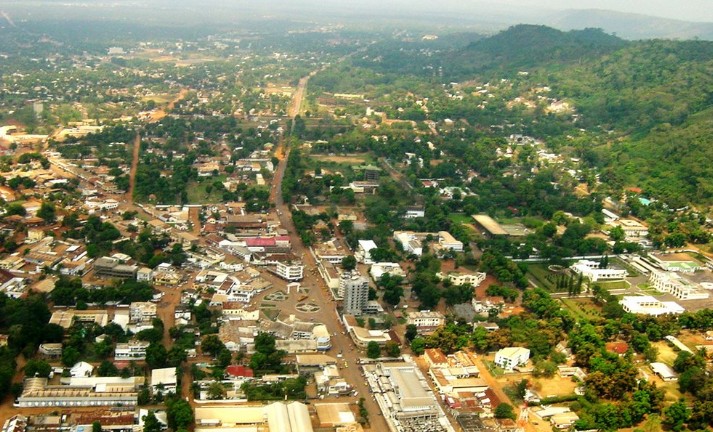
The Central African Republic possesses one of the largest untapped natural resources in Africa, making it a market of increasing interest to international investors, particularly in the mining, energy, agriculture, and infrastructure sectors. Despite ongoing security and logistical challenges, the government continues to promote its plans to attract foreign investment as part of a strategy aimed at diversifying the economy and achieving sustainable growth.
The African Development Bank estimates that the economy of Central Africa continues to recover, driven by a relative improvement in security conditions and growth in the agriculture, mining, and services sectors. This is accompanied by increased investments and improved road and telecommunications infrastructure, which enhance the market's attractiveness to investors.
The mining sector is the most attractive for investments.
The mining sector is the main engine of the economy in Central Africa, as the country possesses huge reserves of gold, diamonds, uranium, iron, copper, manganese, limestone, and coltan, in addition to indications of oil.
According to the Ministry of Mines and Geology, more than 60% of the country’s land area lies atop geological formations rich in minerals, while more than 470 commercially viable mineral sites have been identified, making mining the country’s greatest investment opportunity in the coming years. The government is seeking to modernize the mining sector and establish local ore processing facilities instead of exporting ore in its raw form, thereby increasing added value and creating new jobs.
Agriculture and Food Industries
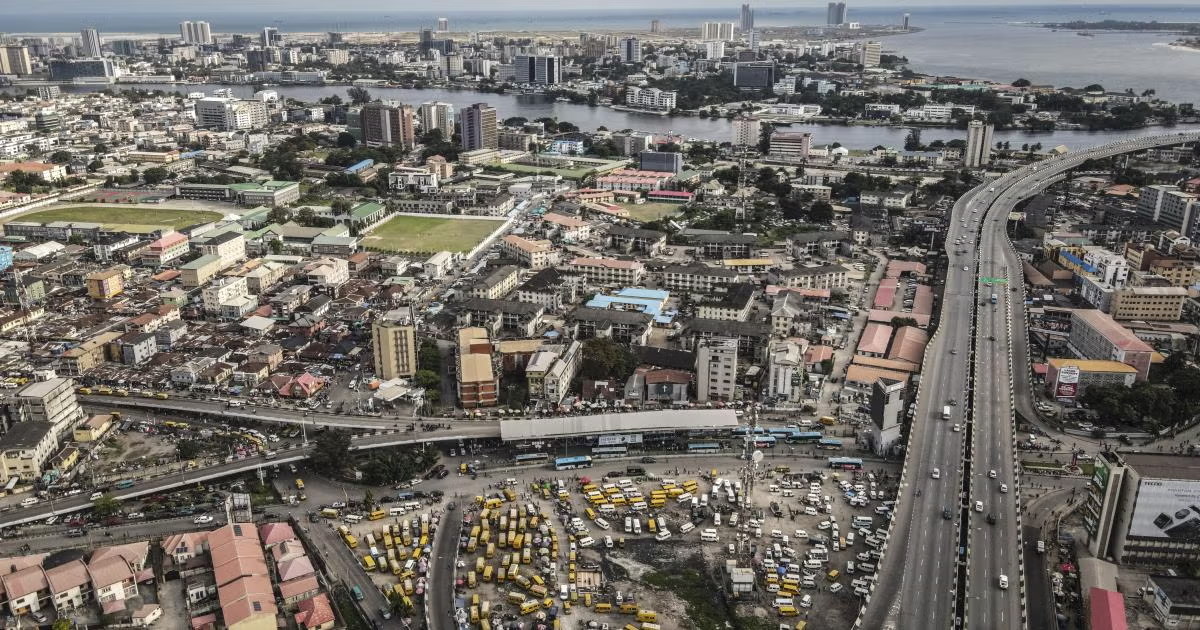
Despite the country owning millions of hectares of fertile agricultural land, a large percentage of it remains unexploited. The economy relies heavily on agriculture, which provides ample investment opportunities in the production of cotton, coffee, cocoa, cassava, corn, and palm oil, in addition to livestock.
Significant opportunities are emerging in the food industries and agricultural value chains, especially with the government's direction to encourage local manufacturing and reduce reliance on imports, which aligns with the priorities of the National Development Plan.
Energy is a great need and a huge opportunity
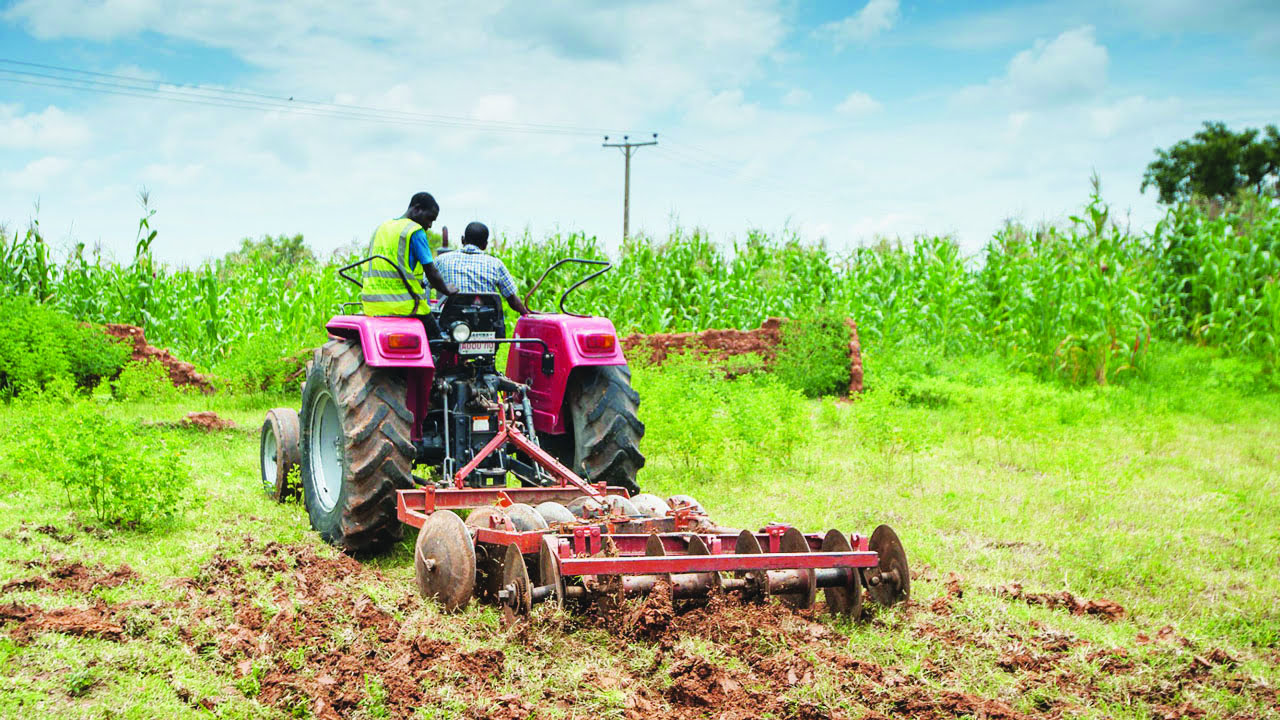
Electricity shortages are one of the biggest challenges facing the economy, but at the same time, they represent a significant investment opportunity. The government is proposing a number of hydroelectric projects, most notably the construction of the Demoli Dam with a capacity of 180 megawatts, the completion of the Bowali 3 project, in addition to projects for generating electricity from rivers and expanding distribution networks in rural areas.
Infrastructure and Transport
The government seeks to attract huge investments in roads, airports, ports, and logistics services, with the aim of connecting production areas with local and regional markets, which represents one of the main axes of the national development plan that targets improving the business climate and increasing the economy's competitiveness.

Ecotourism
Central Africa possesses great tourist potential, including tropical forests, nature reserves, and wildlife, but the sector is still in its early stages.
The government promotes projects for establishing hotels, developing tourist sites, and ecotourism, considering it one of the promising sectors capable of diversifying income sources.
Promising opportunities but risks remain
Despite the great potential, economists emphasize that investment in Central Africa still faces challenges, most notably security fragility in some regions, weak infrastructure, and high energy and transportation costs, along with the need for institutional reforms to enhance transparency and improve the business environment.
However, international institutions, including the World Bank and the African Development Bank, believe that continuing government reforms and increasing investment in energy, agriculture, mining, and infrastructure can double economic growth rates in the coming years and transform Central Africa into one of the rising markets in the heart of the African continent.