401,000 Sudanese are on the brink of famine... Four years of war have produced nothing but hunger.
A sharp deterioration in food security and widespread water shortages in Sudan
Written by: Mohammed Omran
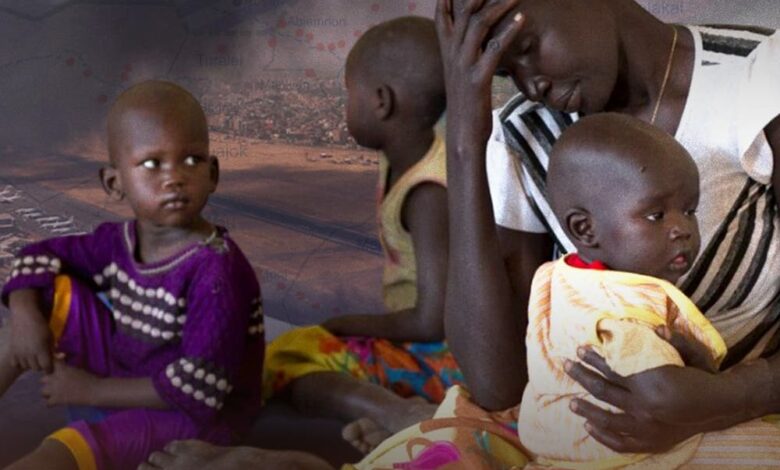
Witness Sudan One of the worst humanitarian crises in its modern history, with some 401,000 people on the brink of famine, as the war between the Sudanese army and the Rapid Support Forces continues for more than four years, leaving behind only successive waves of hunger, displacement and the collapse of basic services.
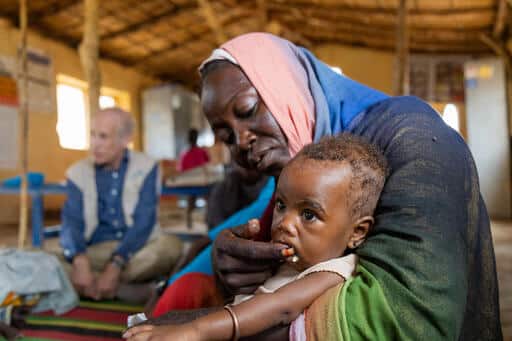
UN warns of severe malnutrition threatening hundreds of thousands of children
As the crisis worsens day by day, UN reports warn that the country is entering a more dangerous phase in which large areas could turn into actual famine hotspots, with a sharp decline in access to food, water and health care.
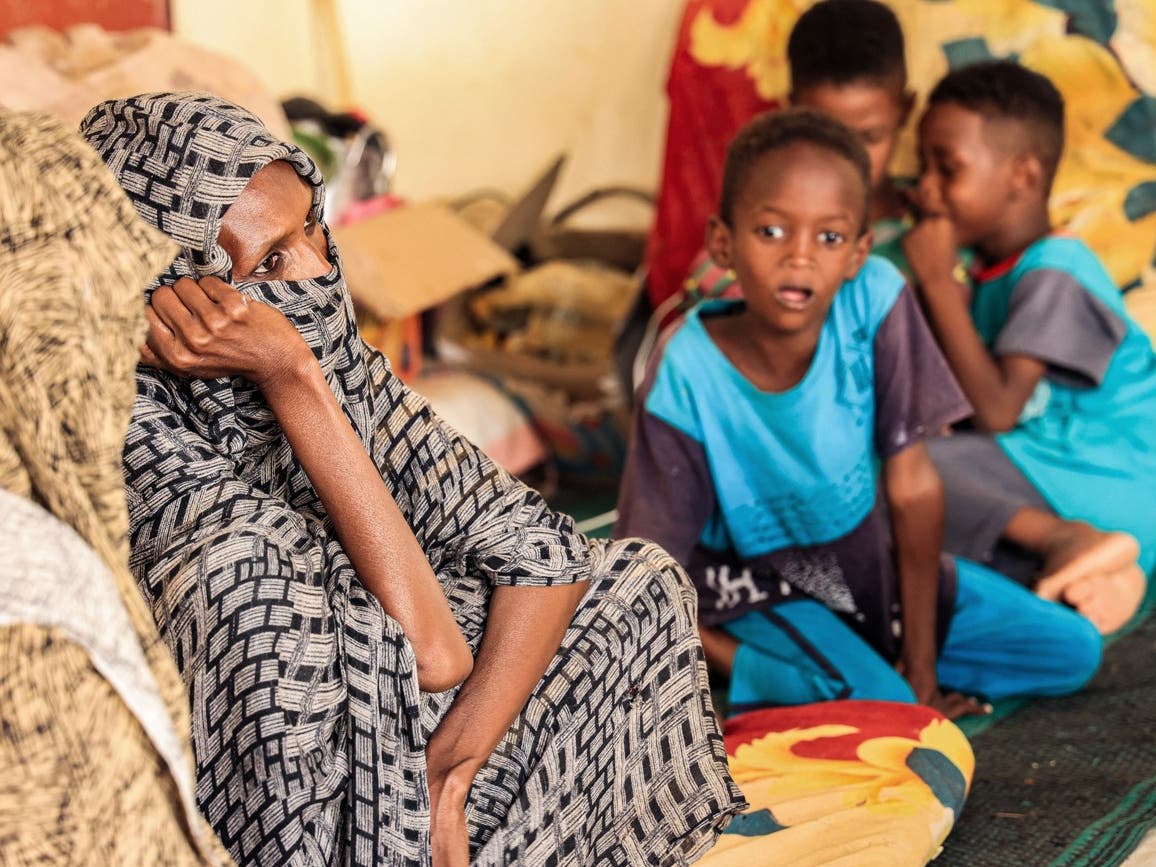
Sudan is facing one of the world’s most severe hunger crises, with estimates indicating that some 401,000 people are at risk of famine, as the war between the Sudanese Armed Forces and the Rapid Support Forces continues since April 2023, and the resulting widespread collapse in humanitarian and living conditions has led to a significant decline.
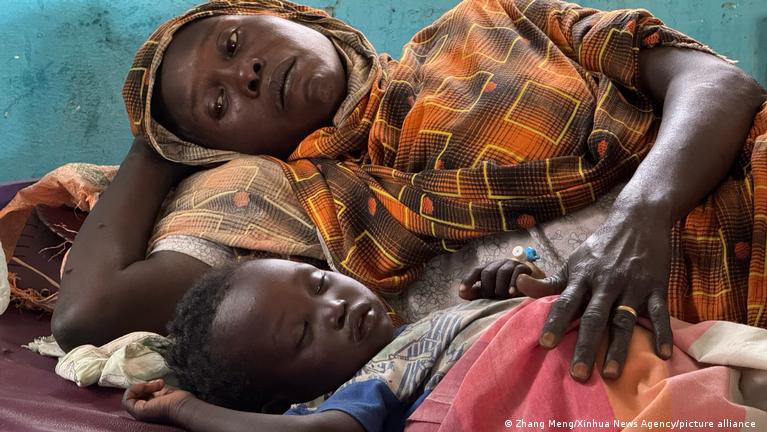
According to a report by the International Food Security Committee (IPC), approximately 19.5 million people are suffering from acute levels of food insecurity, including 135,000 people facing catastrophe, the most severe stage of hunger that precedes immediate famine, with the most serious cases concentrated in areas of Darfur and South Kordofan.
Severe shortage of drinking water and widespread epidemics and diseases
As United Nations reports, including those from the Food and Agriculture Organization (FAO), the World Food Programme, and the United Nations Children’s Fund (UNICEF), have shown, the crisis has gone beyond food to include a severe shortage of drinking water and health services, with more than 17 million people suffering from a lack of clean water, while some 401,000 health facilities are out of service.
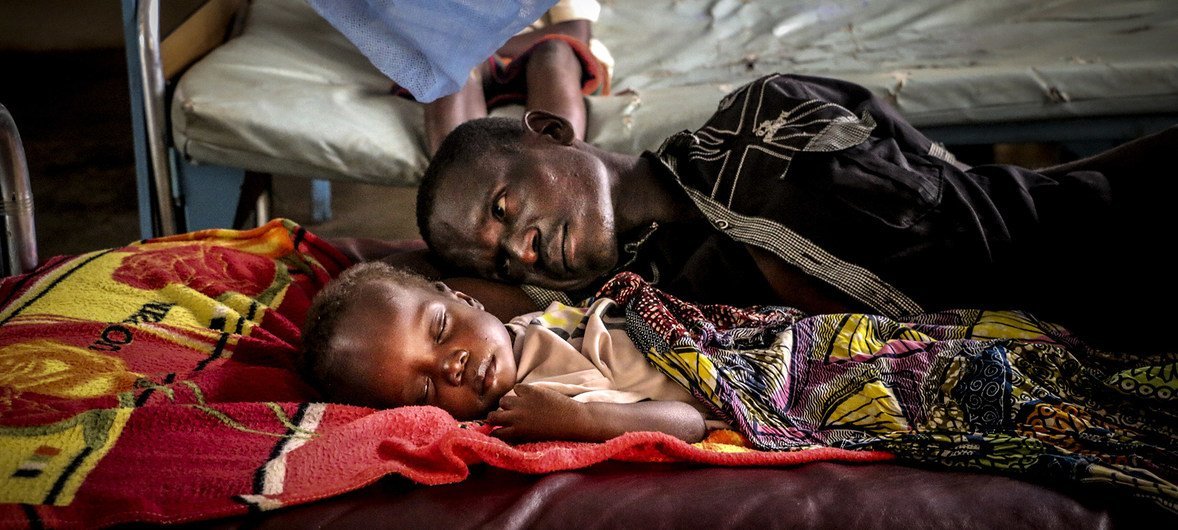
International organizations warn that 825,000 children under the age of five are at risk of severe acute malnutrition during 2026, with tens of thousands of admissions for malnutrition treatment recorded in recent months, amid a severe shortage of medical and pharmaceutical resources.
The crisis is exacerbated by continued restrictions on humanitarian access, deteriorating infrastructure as a result of fighting, including the destruction of markets, water networks and vital facilities, along with widespread displacement affecting about a third of the country’s population.
Mass displacement affecting a third of Sudan's population deepens the humanitarian crisis
According to UN data, about 5 million people are living in a food emergency, while about 14 million are in a crisis phase, with warnings that conditions could worsen further during the coming drought seasons.
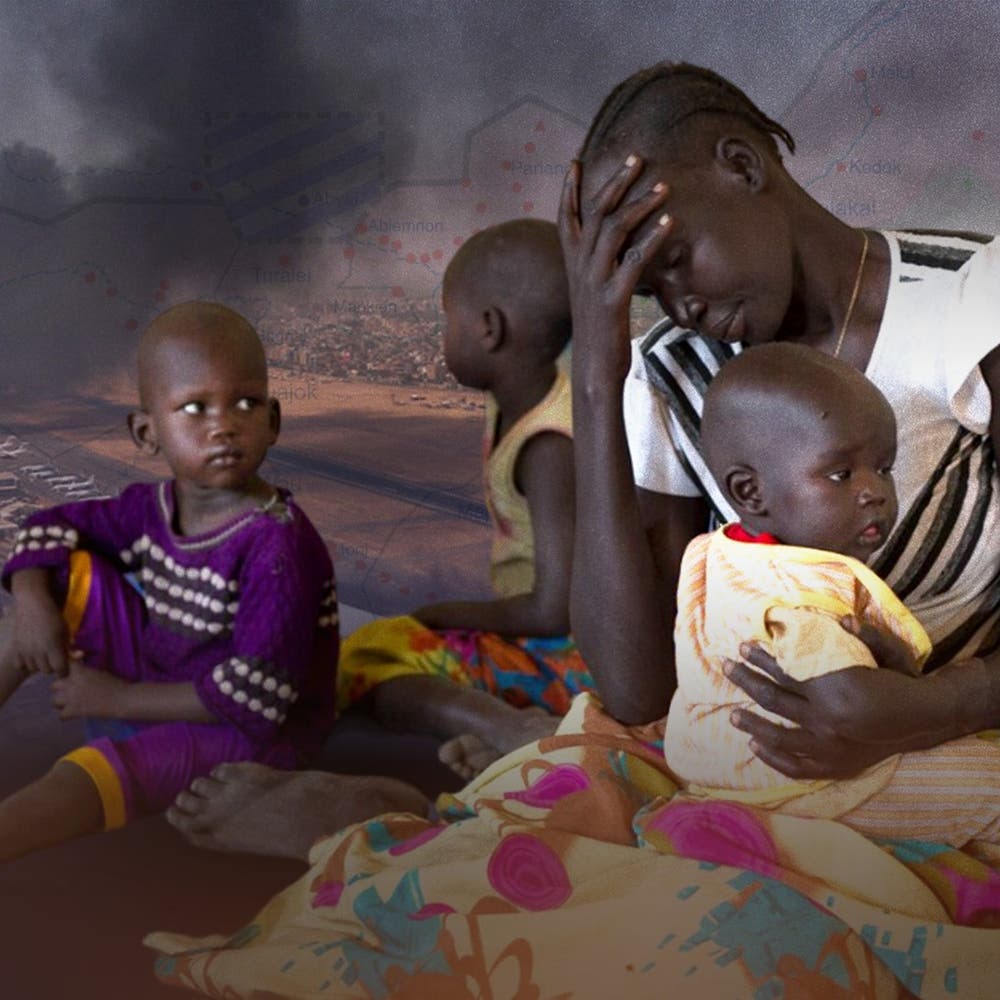
Infrastructure collapse and 40% health facilities out of service
Despite the seriousness of the situation, only 20% of the 2026 Humanitarian Response Plan has been funded so far, exacerbating the inability of relief organizations to meet the growing needs.
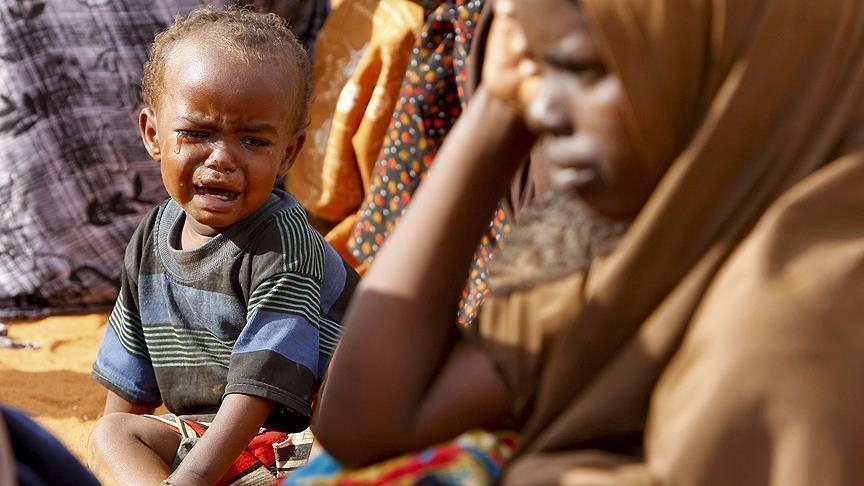
The United Nations is calling for an immediate cessation of hostilities, safe access for humanitarian aid, and increased international support to prevent famine from spreading in a country already facing one of the world's worst humanitarian disasters.
The crisis in Sudan reflects the transformation of the war from a military conflict into a comprehensive humanitarian catastrophe, where its repercussions are no longer limited to direct fighting, but have extended to include the collapse of the food, health and basic services system.
UN indicators suggest that the widening scope of food insecurity to acute levels puts the country at risk of large areas becoming actual famine hotspots if the conflict continues without political solutions or safe humanitarian corridors.
Observers confirm that the continuation of the war in this manner threatens not only food security, but also the future of population stability in Sudan for decades to come, in light of widespread displacement, deterioration of human capital, and the lack of capacity for reconstruction.