Senegal is on a knife's edge... How did the conflict between Faye and Sonko erupt?
Senegal between the presidency and the street
Written by: Mohammed Omran
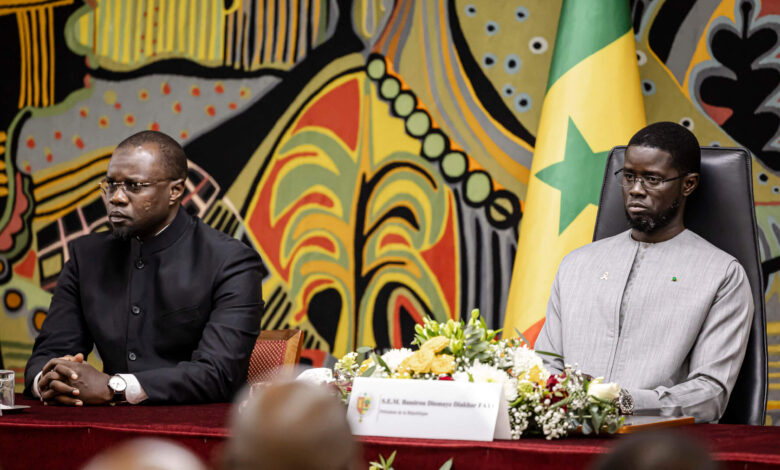
It was not a dismissal Senegalese Prime Minister Ousmane Sonko's removal from office was not merely a cabinet reshuffle; it marked a major turning point in the country's political landscape, revealing a deep rift within the coalition that had brought the opposition to power just two years prior. President Baciro Diomae Faye, whose political rise was inextricably linked to Sonko, found himself in direct confrontation with the man he considered largely responsible for his ascension to the presidency.
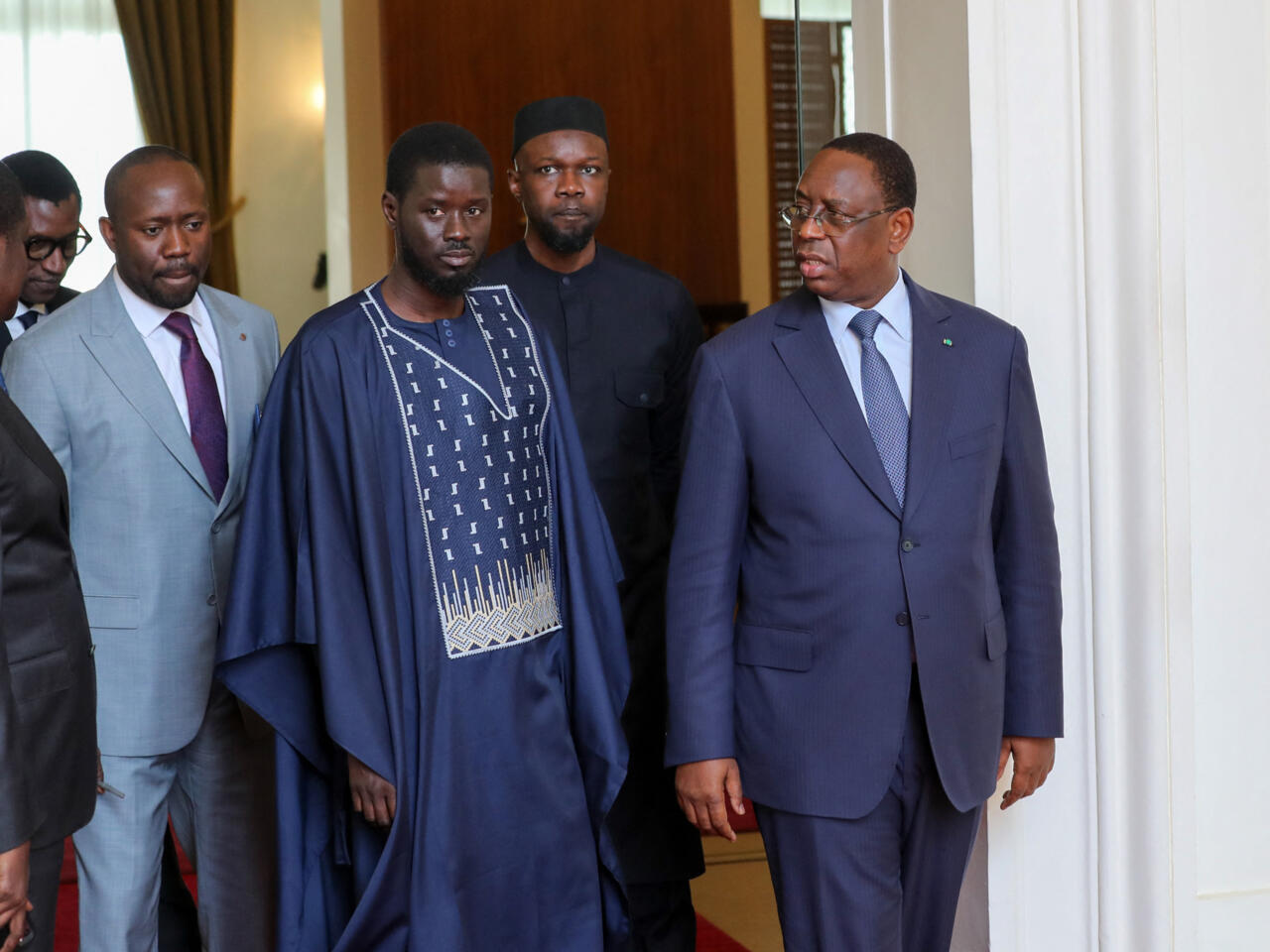
As the disputes between the two sides escalated, Senegal turned into an open battleground between the legitimacy of the constitutional authority represented by the president, and the popular influence that Sonko still enjoys, especially among young people. While Faye is betting on state institutions and political stability, Sonko’s supporters continue to brandish the power of the street, raising questions about the future of governance in one of the most stable democracies in West Africa, and whether the current crisis is just a passing political dispute or the beginning of a new phase of polarization that may redraw the balance of power in the country.
Senegal is on a knife's edge... How did the conflict between Faye and Sonko erupt?
Sonko is an exceptional figure in Senegalese political life; the man who built a broad fan base among young people through a discourse against corruption and foreign influence played a pivotal role in Faye's rise to the presidency after he was prevented from running himself.
From the president's maker to his political opponent
Senegalese President Bassirou Diomêne Faye dismissed Prime Minister Ousmane Sonko and dissolved the government after months of political tensions, in a move widely seen as the end of an alliance that had brought the current government to power.
The decision was announced on state television through a decree read by presidential aide Omar Samba Ba, in which he confirmed the termination of Ousmane Sonko's duties and all members of the government.
The full story of the governance crisis in Senegal
The Senegalese case appears unique, as President Faye owes much of his rise to power to Ousmane Sonko, who would have been the natural presidential candidate had he not been barred from running due to a conviction in a defamation case.
In recent months, the relationship between the two men has deteriorated rapidly, even though together they led the PASTEF party to a landslide victory in the first round of the 2024 presidential election on a platform that pledged to fight corruption and bring about broad political change.
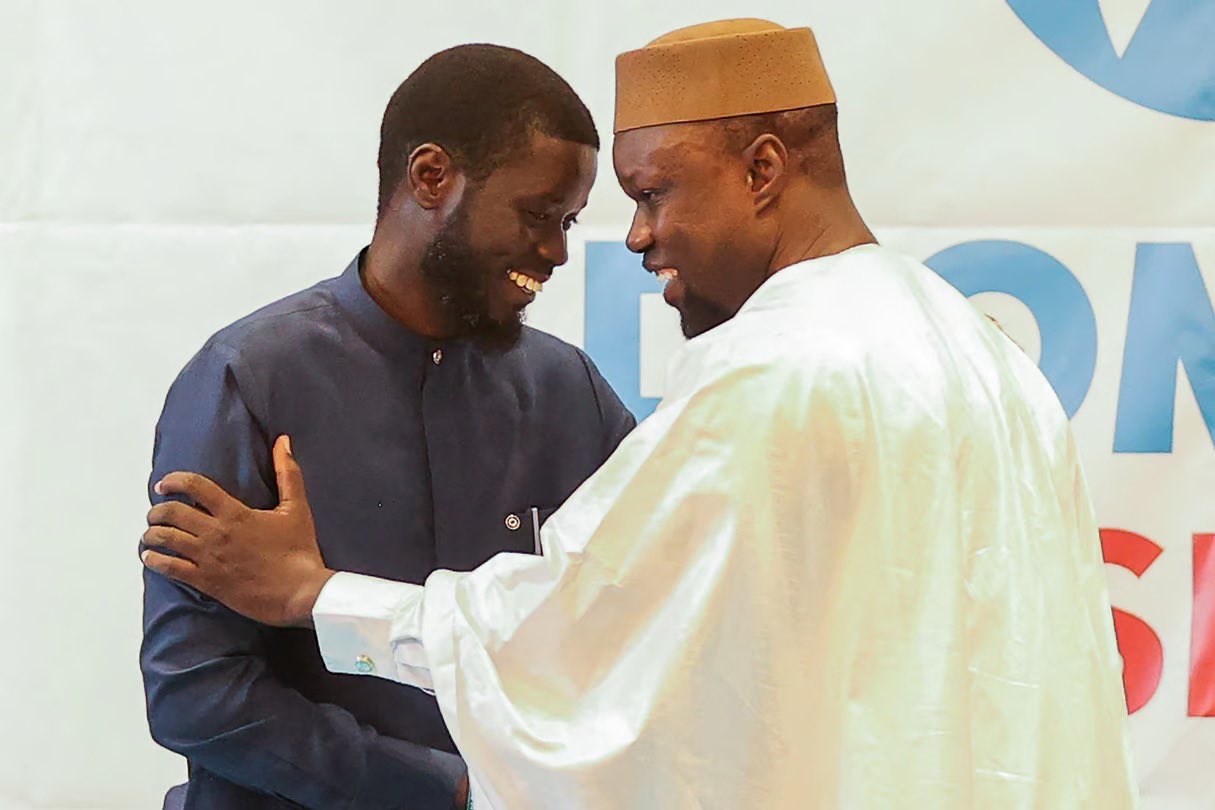
Despite Sonko's overwhelming popularity, President Faye has full constitutional powers that allow him to dismiss the prime minister by presidential decree.
How did "Soncomania" originate?
Prior to the 2024 elections, Ousmane Sonko had become one of the most prominent opposition figures in Senegal, especially among young people who found in his African nationalist and anti-French influence rhetoric an expression of their political and economic aspirations.
His rejection of foreign hegemony and his sharp criticism of traditional elites resonated widely in the Senegalese street, leading to the emergence of the term “Sonkomania” to describe the state of popular enthusiasm and great support he enjoys among young people.
In one of his speeches to supporters of the PASTEF party, Sonko accused President Faye of “failing to lead,” arguing that he had not provided him with sufficient support in the face of the criticism he was subjected to, which revealed the extent of the disagreements that were escalating within the corridors of power.
A remarkable political career
This was not the first time Sonko had been removed from an official position. The man, who worked as a tax inspector, had previously been dismissed after accusing a senior official of corruption.
In 2014, he founded the African Patriots of Senegal Party for Work, Ethics and Fraternity, known by its acronym “PASTEF”, which built its popularity on an anti-corruption discourse and calls for radical political and economic reforms.
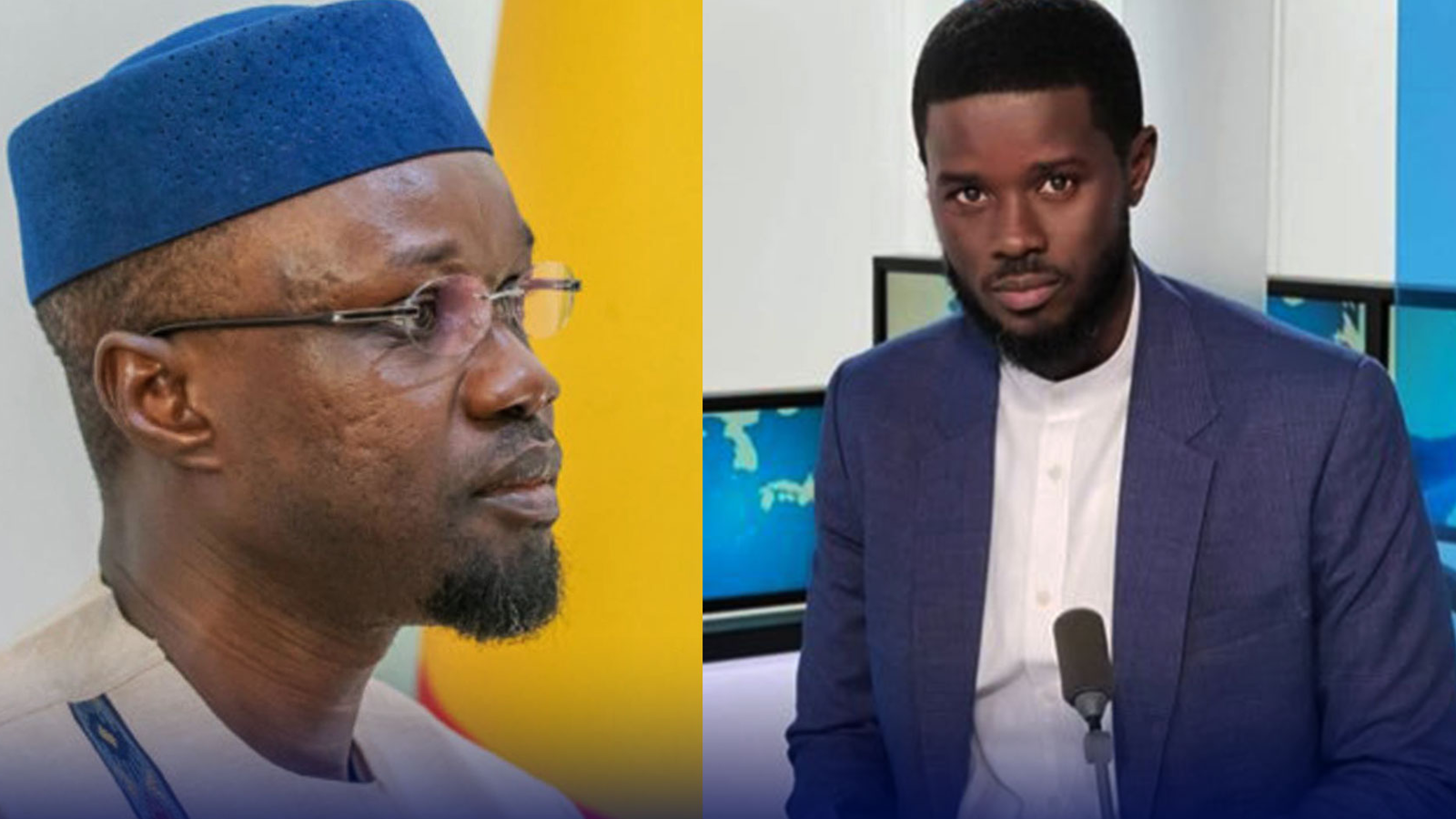
Sonko, 51, possesses a remarkable political charisma that has earned him widespread support among Senegalese youth.
In the 2019 elections, he became the youngest prominent presidential candidate in the country's modern history, finishing in third place, but he succeeded in building a strong popular base that continued to expand.
When he was barred from running in the 2024 elections due to his criminal conviction, he put forward his colleague Basiru Diomae Faye as a presidential candidate, which greatly contributed to the latter's victory in the first round.
After Fay came to power, Sonko was appointed prime minister, but disagreements soon began to emerge regarding the direction of the government and the management of power.
Does Sonko own the street?
Despite his dismissal, Sonko still enjoys significant popularity, especially among young people who form the core of his supporters.
But the question that arises today is: Can this popular support turn into a political force capable of imposing new equations?
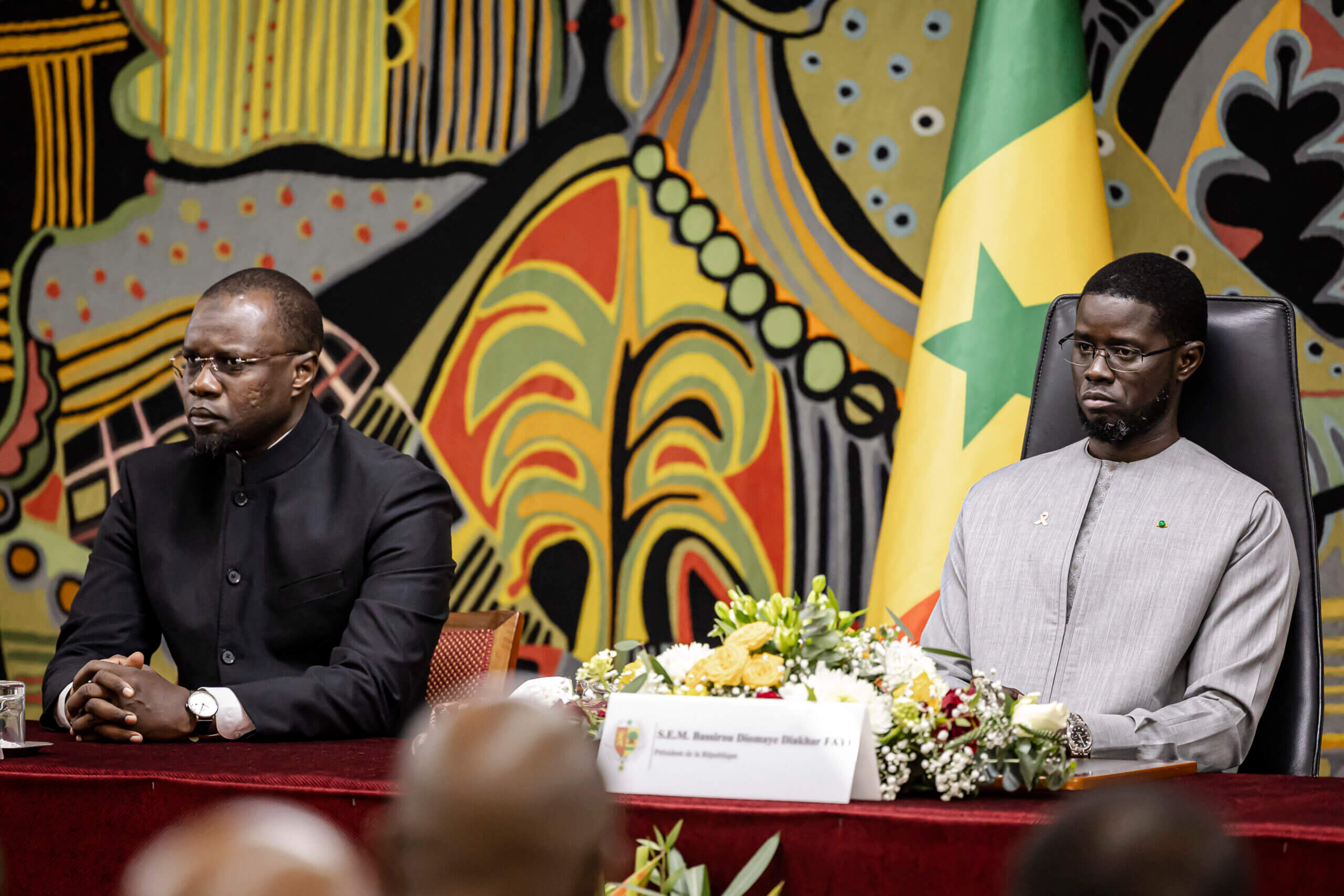
Observers believe that Sonko enjoys popular support that may exceed that of President Faye, but the bulk of this support comes from young people and teenagers, a group capable of mobilizing the street and protests, but not necessarily the biggest guarantor of winning at the ballot box.
Street conflict and power struggle
It seems that the dispute between the two men has reached a point where it is difficult to return to previous understandings. Sonko’s supporters believe that he has the greatest credit for Faye’s rise to the presidency, and that removing him from the premiership represents an attempt to marginalize the most influential figure within the power camp.
In contrast, President Faye relies on state institutions, the support of traditional political figures, and the influence of Sufi orders, which represent one of the most important centers of influence in Senegalese political life.
Faye also benefits from complex internal, regional and international circumstances that lead large segments of the Senegalese population to prefer political stability over engaging in open conflicts that could threaten the economy and social conditions.
Where is Senegal headed?
The future of the relationship between the two men remains open to several possibilities, as President Faye still holds the keys to constitutional power, while Sonko retains a clear ability to influence the street and mobilize his supporters.
Although the balance currently tips in favor of the president, the phenomenon of “Sonkomania” has not ended yet. The man who made the president is still strongly present in the political consciousness of a wide segment of Senegalese people, and he may find in the coming years a new opportunity to return to the forefront of the scene.
Senegal today faces an important political test: Will President Bassirou Diomène Faye succeed in closing the door he opened by dismissing Ousmane Sonko, or will the populist leader return to turn the political balance in the country upside down before the 2029 elections?