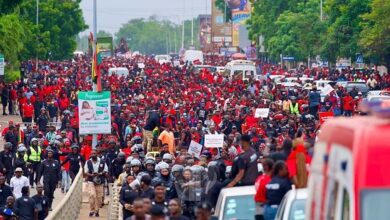
Senegalese parliament approves electoral amendment paving the way for Sonko's return
Senegal presidential elections
Written by Mohamed Ragab
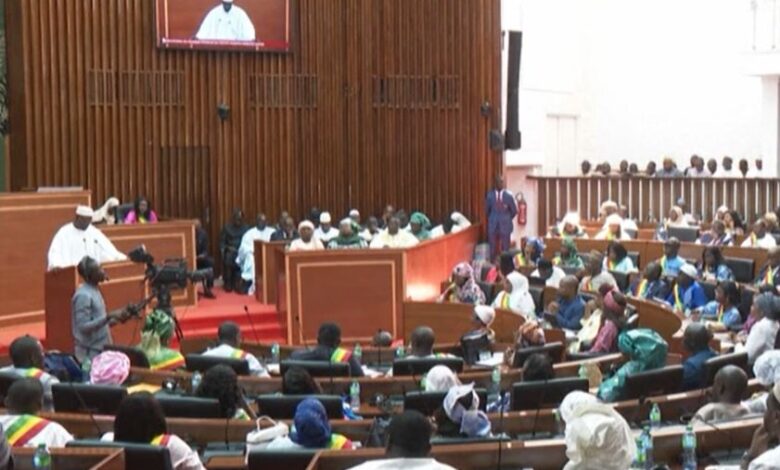
Parliament approved Senegalese New amendments to the election law in Senegal, in a notable political move that could pave the way for Prime Minister Ousmane Sonko to run in the presidential elections scheduled for next year.
This decision comes after years of controversy. Political The legal proceedings that surrounded Sonko's future, who is considered one of the country's most prominent and influential political figures in recent years.
The bill was passed by a clear majority in parliament, with 128 MPs voting in favor, 11 voting against, and two MPs abstaining.
This vote reflects the level of support enjoyed by the ruling party and its allies within the legislative institution, and also reflects the current authority's desire to rearrange the political landscape before the upcoming presidential election.
Sonko's exclusion from the 2024 elections
Ousmane Sonko had been barred from running in the previous presidential election in 2024, after a court ruling found him guilty in a defamation case, which led to his exclusion from the presidential race at that time.
The decision at the time sparked political tension in Senegal, especially since Sonko enjoyed great popularity and a wide fan base, and many considered him the most prominent contender for power.
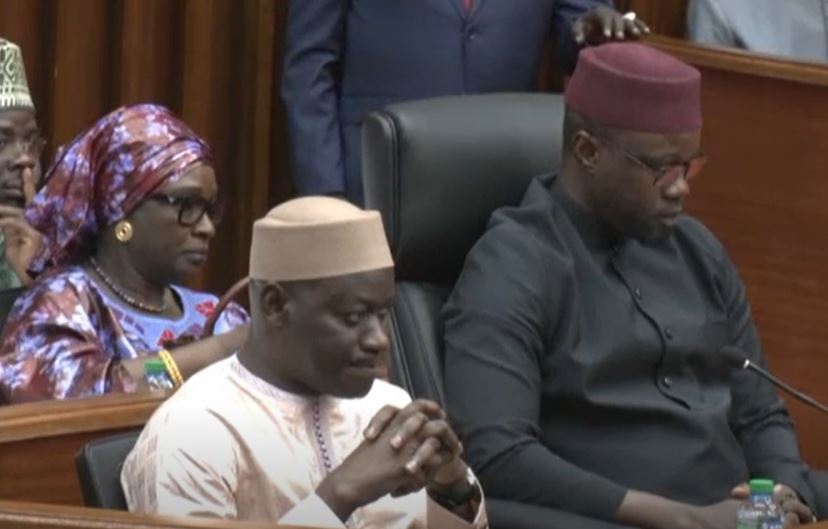
With his exclusion, his party, PASTEF, decided to support the candidacy of his ally and deputy, Basiru Diomae Faye, who managed to win the election, before later appointing Sonko as prime minister.
Since then, Sonko's name has remained strongly present in political life, with increasing speculation about the possibility of his return to the presidential race if the legal situation changes.
political debate
According to reports, the new amendments to the electoral law have sparked widespread political division within Senegal. The Pastef party defended the law, arguing that previous provisions were used to exclude certain candidates for political reasons, and that the new reforms aim to strengthen electoral fairness and ensure a level playing field for all candidates.
In contrast, opposition parties considered the amendments to have been specifically designed to serve Osman Sonko, especially since they included retroactive application, which they described as a violation of the principle of legislative neutrality.
The opposition also warned that such steps could affect public confidence in the electoral process and bring back tension to the political arena, which has witnessed turmoil in recent years.
Observers believe that the current controversy reflects the extent of Sonko's political influence, as he remains a key figure in the conflict between pro- and anti-Sonko political forces.