A green project in the African Sahel: How is Burkina Faso tackling climate change?
Urban afforestation in Burkina Faso: A step towards improving the climate and quality of life
Written by: Hussein Ahmed
Seeking Burkina Faso To restore nature to the heart of its cities, through a broad national project for afforestation and urban development aimed at transforming urban centers into spaces that are more livable and more able to cope with increasing heat waves.
On May 4, 2026, authorities in the capital Ouagadougou launched the National Aesthetic and Environmental Development Program in 11 cities, in a move that goes beyond simply improving the urban appearance to building more breathable and humane cities.
The program includes the creation of 80 green spaces, the development of 60 roundabouts, and the completion of 65 kilometers of roads planted with trees and plants, as part of a plan aimed at gradually changing the urban landscape within Burkinabe cities.
Urban afforestation in Burkina Faso: A step towards improving the climate and quality of life
Many cities in Burkina Faso suffer from dust storms, high temperatures, and a lack of recreational spaces, making these projects a vital outlet for residents. The green space built beneath the Ouaga 2000 Bridge is one of the most notable examples that has begun to attract the attention of citizens and visitors alike.
Dr. Ines Batyono, a Burkinabe citizen living in Senegal and currently visiting her country, says she felt very happy when she saw these new spaces, stressing that the urban landscape has changed remarkably and become more attractive and comfortable.
For his part, civil activist Mohammed Ouédraogo believes that these initiatives have made a clear difference in the urban environment, explaining that areas that were previously just dry, dusty lands now provide a more temperate local climate, which is essential in a country located in the Sahel region, known for its harsh climate.
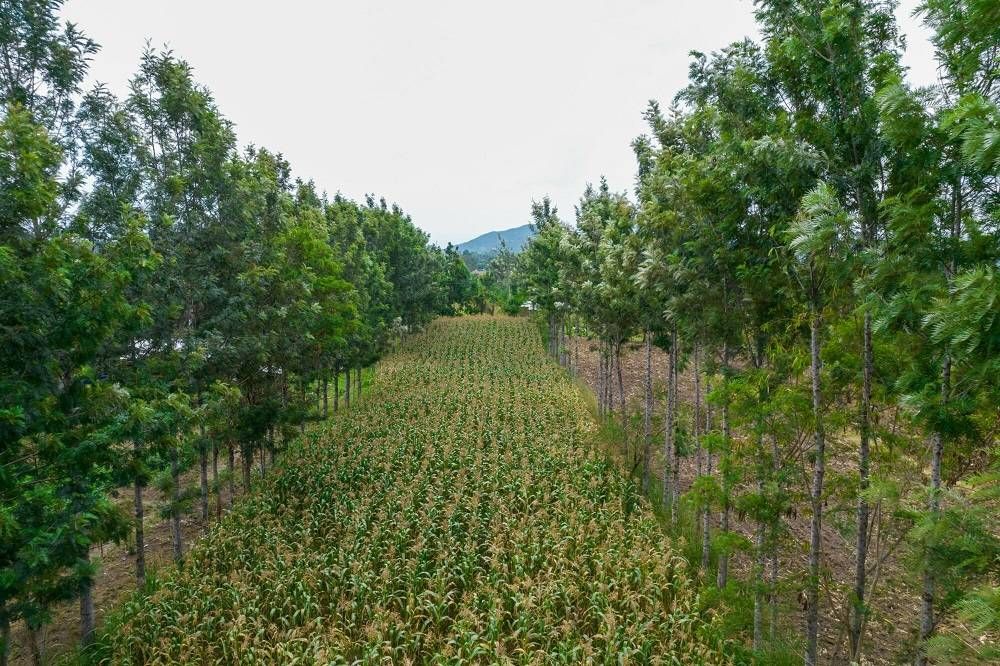
Multiple environmental studies indicate that increasing green spaces within cities can reduce temperatures by about two degrees Celsius, while temperatures in tree-covered areas are about four degrees lower compared to open areas, which helps mitigate the effects of heat waves and improve public health.
The project's impact is not limited to the environmental aspect alone, but extends to strengthening social bonds and a sense of belonging, as gardens and green spaces are transformed into places for meeting, relaxing, and picnicking.
But the success of this initiative, according to civil society actors, will remain linked to the ability of the authorities to maintain these spaces and ensure their sustainability, by providing funding mechanisms and revenues that help municipalities and the Ministry of Environment to take continuous care of them.
Through this project, Burkina Faso is sending a message that a modern city is not measured only by the number of roads and buildings, but also by its ability to provide shade, fresh air and spaces that give residents a better quality of life.