Egyptian Fathia Rizk... Ghana's First Lady and holder of the title "Bride of the Nile"
How did Fathia Rizk go from being an Egyptian bank employee to the First Lady of Ghana?
Written by: Badr Ahmed
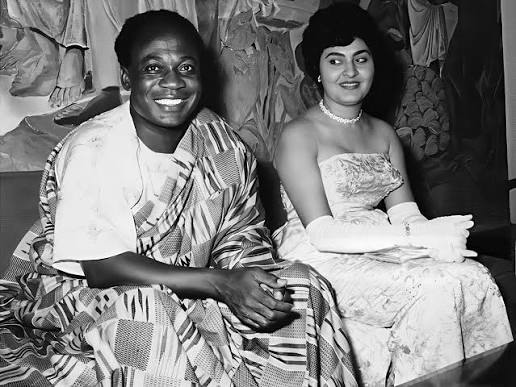
Fathia Rizk is one of the most prominent Egyptian figures who left a mark on the history of relations between Egypt and Africa, after she became the First Lady of Ghana following her marriage to Ghanaian leader Kwame Nkrumah, the first president of the Republic of Ghana and one of the most prominent symbols of national liberation in the African continent.
The Egyptian woman who embodied African unity from Cairo to Accra
Fathia Rizk was born in Egypt in 1932 to a simple Egyptian family. She worked as an employee in a bank in Cairo. She did not know that her life would witness an exceptional transformation when the late Egyptian President Gamal Abdel Nasser chose her to be the wife of Ghanaian President Kwame Nkrumah, in a move that carried political and symbolic dimensions that reflected the depth of relations between Egypt and Ghana during the African liberation movement in the 1950s.
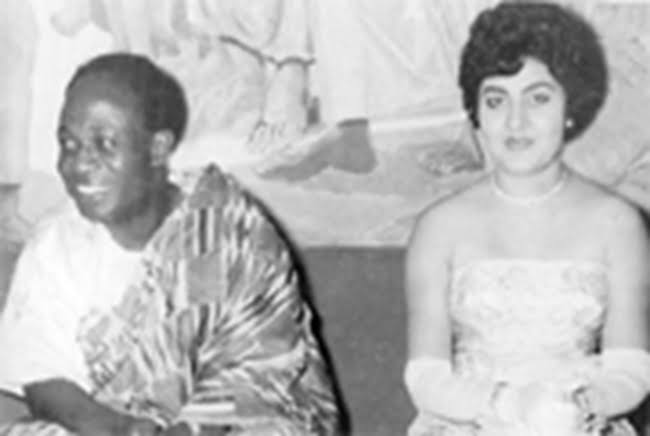
In 1957, Fathia Rizk married Nkrumah in a ceremony that garnered widespread attention both inside and outside Egypt, as many considered the marriage an embodiment of the unity of destiny among African peoples.
After moving to Ghana, she became the country’s first lady and played a prominent social and humanitarian role alongside her husband, who led his country towards independence and the building of the modern state.
During her years in Ghana, Fathia gained a special status among the Ghanaian people, who nicknamed her the Bride of the Nile in appreciation of her Egyptian origins and her role in strengthening ties between Egypt and Ghana. She also became a symbol of cultural and political rapprochement between North and West Africa.
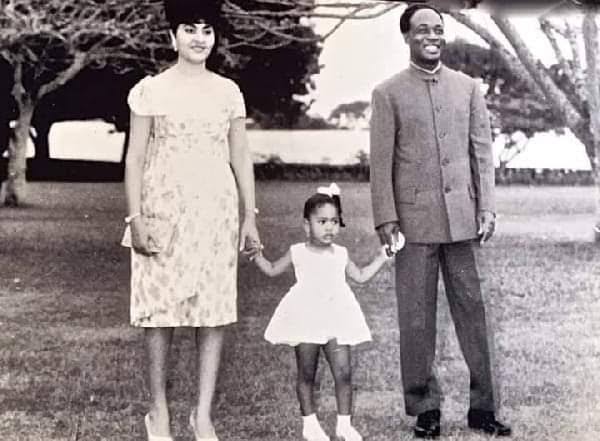
Fathia Rizk had three children with Kwame Nkrumah, and lived with him until his overthrow in 1966 while he was abroad on a diplomatic mission.
After years of political changes in Ghana, Fathia returned to Egypt, but she continued to enjoy respect and appreciation in Ghanaian and African circles.
In 1997, former Ghanaian President Jerry Rawlings awarded her Ghana’s highest civilian honor in recognition of her historic role in supporting relations between the two countries.
Fathia Rizk passed away in 2007, but she remained in the African memory as a unique example of an Egyptian woman who transcended geographical boundaries to become a symbol of African unity, and a human and cultural bridge between Egypt and Ghana in one of the most prominent stories of rapprochement between the peoples of the African continent.