The Ebola outbreak in the Democratic Republic of Congo enters a new escalating phase
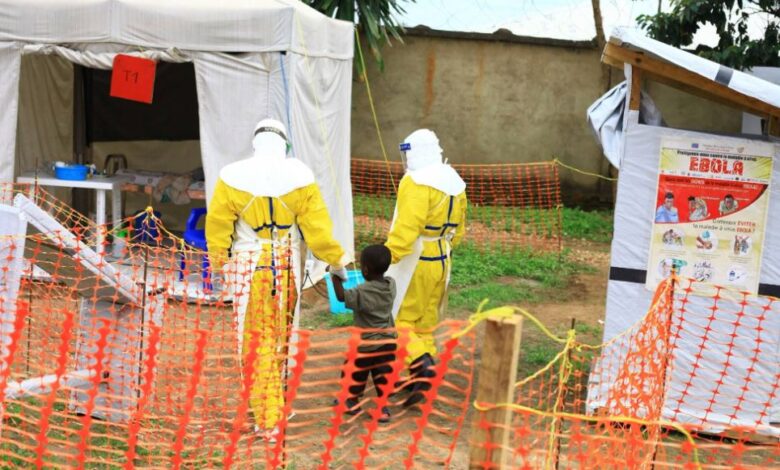
Ebola is spreading in eastern Congo despite government containment efforts.
Written by: Badr Ahmed
Health authorities in the Democratic Republic of Congo announced that the number of confirmed Ebola cases has risen to 782, after 72 new infections were recorded in just 24 hours, in one of the largest daily increases in the ongoing outbreak in the country.
According to the latest government report on the epidemiological situation, the number of confirmed deaths resulting from the disease has reached 181, as health efforts continue to contain the spread of the virus and reduce its repercussions on the health system and local communities.
Ebola is spreading in eastern Congo
This outbreak is the seventeenth of its kind in the country, reflecting the recurring challenges the Democratic Republic of Congo faces in dealing with viral epidemics, especially given the complex geography and weak health infrastructure in some remote areas.
Official data indicates that the spread of the disease is still confined to three main provinces located in the east of the country, namely Ituri, North Kivu and South Kivu, but recent developments have shown a widening scope of impact within some health zones.
Reports also confirmed the first cases in the Nya Nya health districts in Ituri province and the Mabalako health district in North Kivu province, reflecting a gradual expansion of the outbreak within border and rural areas.
According to the updated data, cases have been confirmed in 20 out of 36 health zones in Ituri province, and in 10 out of 34 health zones in North Kivu province, in addition to one case recorded in one health zone within South Kivu, indicating a disparity in the spread of the disease among the three provinces.
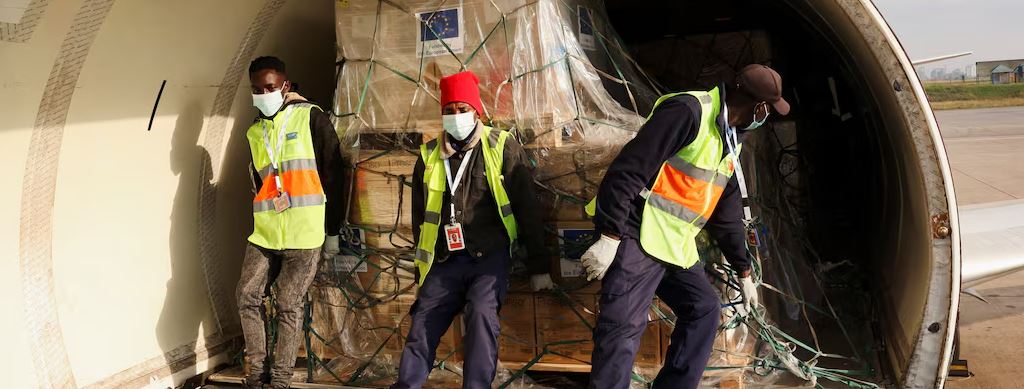
With the support of international partners and humanitarian organizations, health authorities continue to implement rapid response plans, which include strengthening epidemiological surveillance, contact tracing, and intensifying community awareness campaigns, in addition to providing medical care for infected cases and isolating them to prevent transmission of the infection.
Health experts warn that continued high daily infection rates could further complicate containment efforts, especially given the limited logistical capabilities in some rural areas, calling for increased international support and faster health interventions to control the current outbreak before it spreads further.