
Reviving the indigenous “Muturu” cattle breed is a Nigerian option to reduce farmer-herder conflicts.
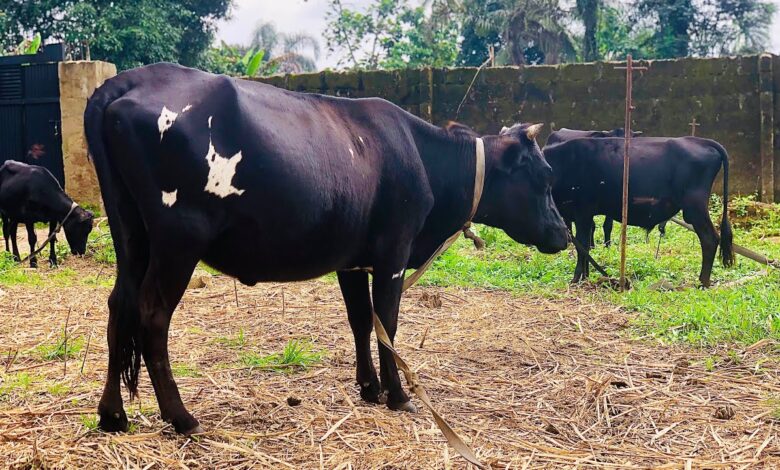
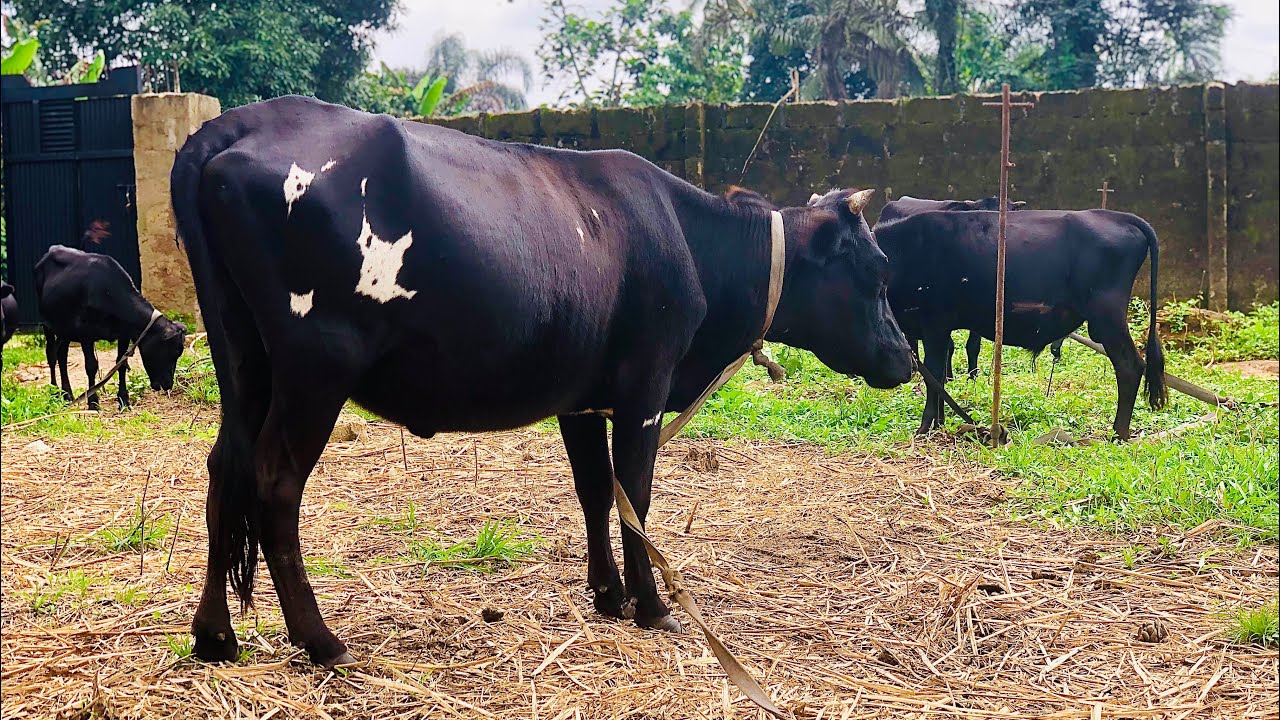
The indigenous cattle breed "Moturo"
Written by: Ayman Ragab
A recent report suggests that reviving the local “Muturu” cattle breed could be part of the solutions aimed at reducing ongoing conflicts between farmers and herders in Nigeria, by restoring traditional production systems that are compatible with the local environment and reducing reliance on long-distance cattle migration.
The report explained that the “Muturu” breed, which historically spread in southern Nigeria, was characterized by its ability to adapt to humid environments infested with tsetse flies. It provided meat and manure, in addition to its economic and cultural value to rural communities. However, this breed has significantly declined in recent years, leading to the south of the country increasingly relying on cattle from the north, weakening a local production system that used to reduce the need for long-distance cattle movement.
The report indicated that this transformation, along with population growth, climate change pressures, land-use changes, and weak governance, contributed to the complexity of relations between farmers and herders and intensified conflicts.
It was revealed that farmers in southeastern Nigeria raised “Muturu” cattle within mixed farming systems, as they provided manure and meat and contributed to supporting livelihoods. A survey conducted in 2022 in southern Nigeria revealed that the average herd size was only four heads, a decline attributed to random crossbreeding with foreign breeds to improve growth rates and increase meat production.
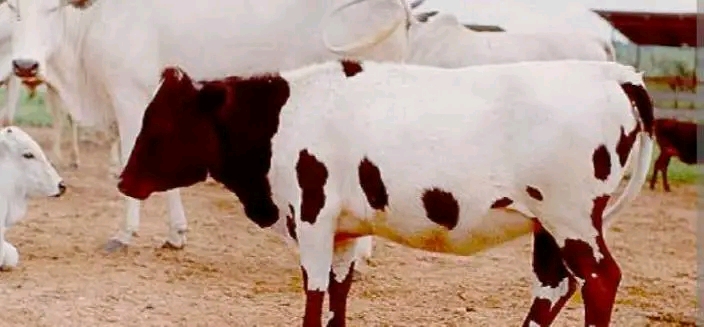
The report added that the decline in “Moutoro” numbers was accompanied by the spread of larger commercial breeds, such as “White Fulani,” which require wider grazing areas and greater mobility, unlike the local breed that was integrated into small farming systems, which contributed to exacerbating conflicts between farmers and herders.
The report emphasized that reviving local breeds, especially “Mouturo,” is not a magic bullet to end the conflict, but it can be part of a broader national strategy to develop the livestock sector by restoring production systems that are adapted to the local environment and reduce reliance on long-distance cattle transport.
It was clarified that this breed historically relied on crop residues, household waste, wild plants, and cut-and-carry fodder systems, which allowed for the integration of livestock farming within the existing agricultural system rather than competing with it. This contributes to reducing pressure on pastures, limiting overgrazing, and mitigating land degradation.
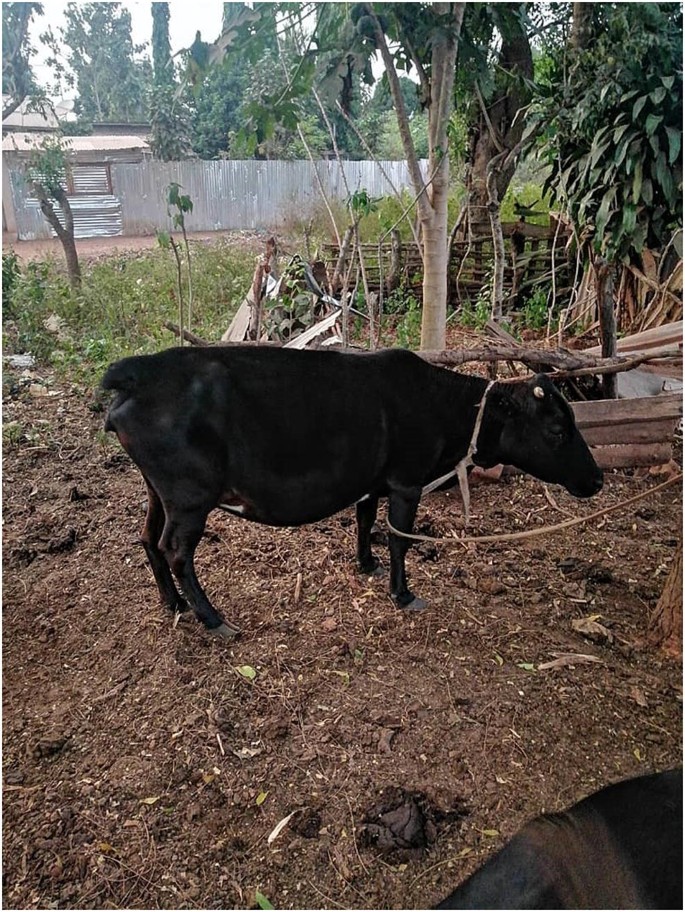
The report concluded by emphasizing that the development of modern livestock farming should go hand in hand with the restoration of local breeds that are compatible with the environment and agricultural systems in Nigeria. The “Muturu” breed was considered part of a broader vision to rebuild a productive and ecologically balanced livestock system that strikes a balance between livestock, crops, people, and land, while minimizing conflicts.



 Arabic
  English
  French