
Algeria: A tourist treasure combining the sea, desert, and thousands of years of history
Tourism in Algeria... A huge wealth seeking a global launch
Written by: Badr Ahmed
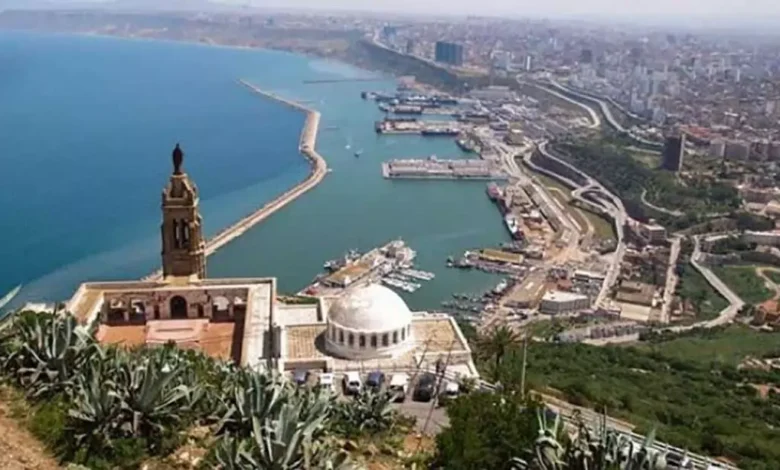
Algeria possesses one of the most diverse tourist attractions on the African continent, combining Mediterranean beaches with the Sahara Desert, which covers most of its territory, as well as ancient archaeological sites dating back to Roman, Islamic, and Ottoman civilizations.
Despite this natural and historical wealth, Algeria still receives far fewer tourists than its potential, at a time when the government seeks to develop the sector and make it one of the drivers of the economy away from reliance on oil and gas revenues.
The Algerian coast stretches for over 1200 kilometers along the Mediterranean Sea, and includes dozens of beaches characterized by their clear waters and pristine nature, especially in the wilayas of Bejaia, Jijel, Tipaza, and Annaba.
These regions attract thousands of visitors during the summer season, while authorities are working to improve the quality of hotel services and encourage investment in tourist resorts.
Natural and historical treasures seeking their place on the global tourism map
In the south, the Algerian desert offers a completely different experience, where sand dunes, oases, and volcanic mountains stretch across a rare natural landscape.
Tamanrasset and Djanet are prominent destinations for desert tourism enthusiasts, due to their unique rock formations and ancient carvings and inscriptions, in addition to the Tuareg culture that offers visitors a distinctive heritage experience.
UNESCO World Heritage Sites
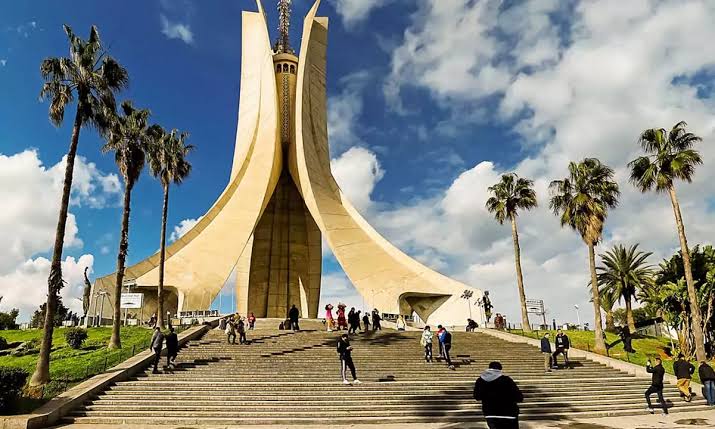
Algeria's appeal is not limited to nature, as the country is home to seven UNESCO World Heritage sites, including the Roman cities of Timgad and Djemila, the M'Zab Valley, the Kalaa of Beni Hammad, and the Kasbah of Algiers, all of which reflect the succession of different civilizations on Algerian lands over many centuries.
Algeria also abounds with cultural and religious tourism, through its historic cities, traditional markets, ancient zawiyas and mosques, as well as festivals held throughout the year, such as desert music and folk art festivals, which contribute to introducing the country's diverse cultural identity.
Plan for developing the tourism sector
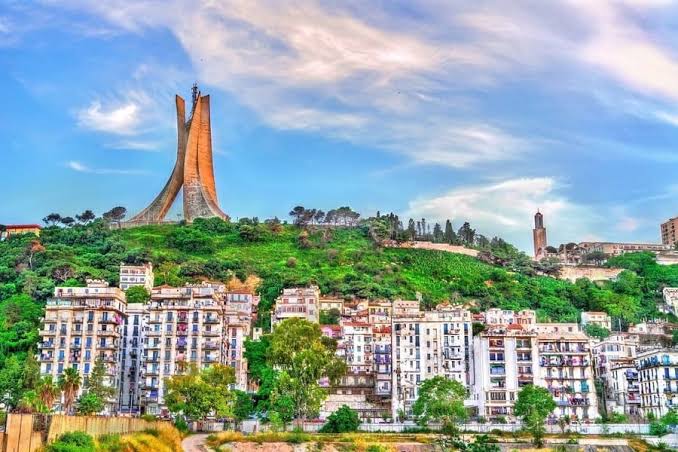
The Algerian government has been seeking in recent years to implement a plan to develop the tourism sector, which includes updating infrastructure, expanding hotel capacity, improving transportation networks, facilitating visa procedures for some nationalities, in addition to launching external promotion programs targeting European, Arab, and African markets.
Experts believe that Algeria has a great opportunity to become a regional tourist destination, especially in light of the growing global demand for ecotourism and adventure tourism. However, achieving this goal requires continuous improvement in the quality of services, development of tourism facilities, encouragement of local and foreign investments, and increased air connectivity with various countries around the world.
Tourism in Algeria
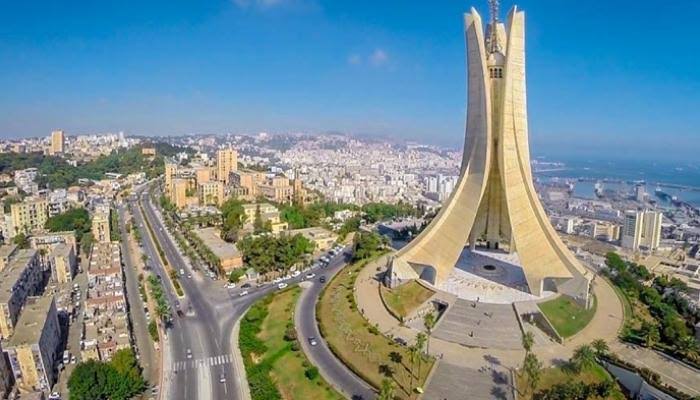
Algerian tourism faces several challenges, most notably limited international promotion, a lack of tourist facilities in some areas, and the need to improve the efficiency of workers in the sector. However, indicators suggest a growing interest in investing in the country's natural and cultural assets, as they represent one of the most important resources capable of supporting economic diversification.
Thanks to its geographical diversity, which combines sea, desert, and mountains, and its cultural richness spanning thousands of years, Algeria possesses all the elements that qualify it to be one of the most prominent tourist destinations in North Africa, provided that development and investment efforts continue, keeping pace with international standards and offering the visitor an integrated experience that combines history, nature, and culture all at once.




 Arabic
  English
  French