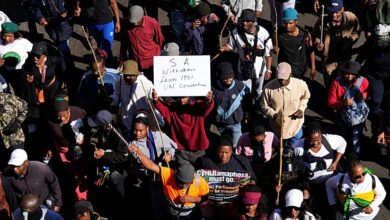
Mnangagwa to stay until 2030.. Zimbabwe adopts new presidential law
New decision in Zimbabwe... President signs law extending his term in power
Written by: Badr Ahmed
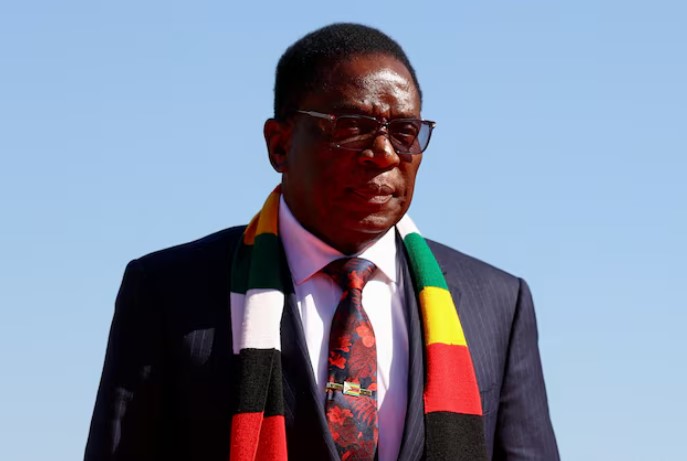
Zimbabwe has entered a new political phase after President Emmerson Mnangagwa signed a law extending his term by an additional two years until 2030, a move that has generated widespread interest both inside and outside the country, especially as it coincides with a constitutional amendment that changes the mechanism for selecting the president.
The government spokesperson, Nick Mangwana, announced on Tuesday that the president has officially signed the bill approved by parliament last month, confirming via a post on the X platform that the legislation has been signed, sealed, and delivered, and is now an enforceable law. .
Zimbabwe extends president's term
The Zimbabwean Parliament's two houses approved the bill last month before it was sent to the president for assent, becoming effective after official publication.
The extension of Mnangagwa's term is the most prominent provision in the new law, granting him an additional two years in power and extending his current term until 2030 instead of ending in 2028. This opens the door for his continued leadership of the country during a period of increasing economic and political challenges.
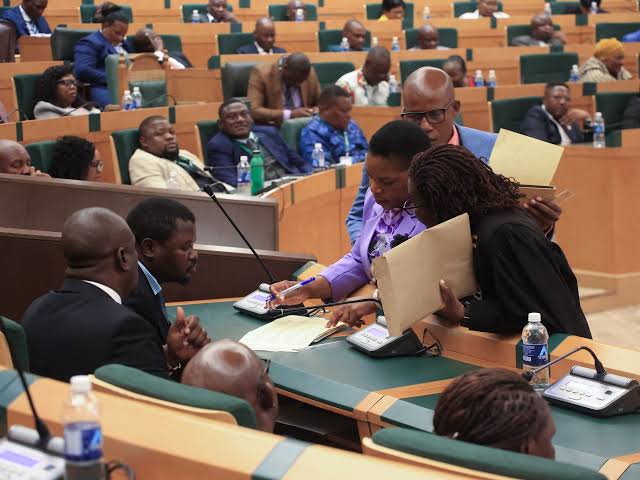
The law not only extends the presidential term but also includes a significant amendment to the presidential election mechanism, stipulating that the president will be chosen by the parliament in the future, instead of direct election through popular vote. This change would reshape the political system and the mechanisms of power transition in the country.
Indicators of a trend toward extending Mnangagwa's stay in power began to appear about two years ago, when his supporters within the ruling ZANU-PF party started chanting slogans at party rallies demanding that he be given more time to complete his political and development program.
Last year, the ruling ZANU-PF party adopted a resolution calling for constitutional amendments to extend presidential terms, a proposal that was later supported by the cabinet before making its way through parliament, where it was ultimately passed and assented to.
The law's approval comes at a time when political and human rights circles are closely following developments in Zimbabwe, amid discussions about the implications of constitutional amendments on the future of the democratic process and the balance of power, especially with the transfer of presidential selection authority from voters to parliament.
These amendments are expected to remain under scrutiny in the coming period, given the political and legal discussions they may spark regarding the future of the constitutional system in Zimbabwe, and the prospects for political life as the election date approaches, set to take place after the end of the president's new term in 2030.