Millions of children out of school... Why has Africa become the epicenter of the global education crisis before 2030?
International indicators reveal the widening education gap in Africa
Written by: Mohammed Omran
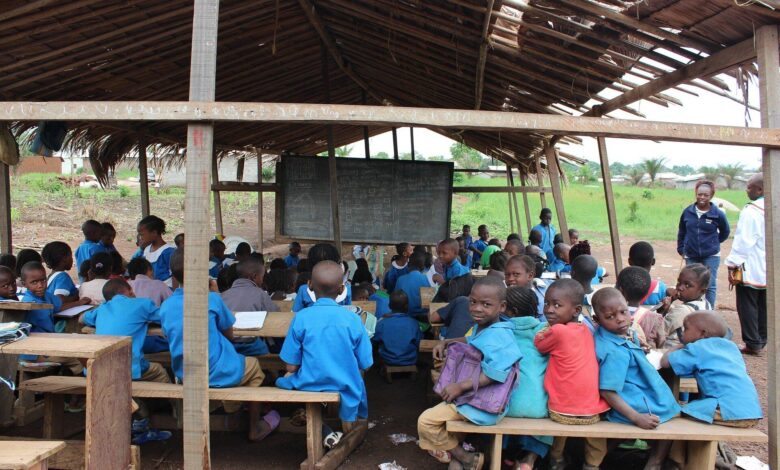
As 2030 approaches, concerns about the future are growing education In Africa, with millions of children still out of school, a widening funding gap, and declining education quality indicators, the continent is at the heart of international discussions on achieving Sustainable Development Goal 4, which aims to ensure inclusive and equitable quality education for all.
Why has Africa become the epicenter of the global education crisis before 2030?
All eyes are on the Transforming Education Summit+4 (TES+4), scheduled to be held on July 10, 2026, at the United Nations Educational, Scientific and Cultural Organization (UNESCO) headquarters in Paris. This summit represents a crucial milestone for assessing what has been achieved since the 2022 summit and reviewing progress just four years before the deadline for achieving the Sustainable Development Goals.

Increasing challenges
The latest international indicators reveal that the world is still far from achieving the education goals by 2030, as the number of out-of-school children has risen to about 272 million, while the dropout rate remains steady at about 17%, meaning that one in every six school-age children is not receiving an education.
The crisis is not limited to school enrollment; it extends to the quality of education, as data indicate that only 13% of students in sub-Saharan Africa achieve the minimum reading proficiency by the end of elementary school, while hundreds of millions of children and adolescents around the world lack the basic skills needed for the future.

Africa most affected
The African continent faces the greatest challenges in this regard, as its countries have pledged to reduce the number of out-of-school children by about 58 million by 2030. However, achieving this goal faces significant obstacles due to rapid population growth and limited resources.

The annual funding gap for the education sector in Africa is estimated at around $77 billion, which limits the ability of countries to expand educational opportunities and improve their quality. Meanwhile, low- and middle-income countries need to close a global funding gap of about $97 billion annually to achieve their educational goals.
Cost of delay
The repercussions of the crisis are not limited to the education sector but extend to the economy. Estimates indicate that continued school dropout and weak foundational skills could cost global economies trillions of dollars annually, in addition to significant losses in current generations' lifetime earnings.
Summit to determine the path
The TransformED Education Summit +4 gains special importance as an opportunity to reassess international commitments, develop practical solutions to enhance education financing, support teachers, expand digital transformation, and build more resilient education systems.

For Africa, the summit represents a critical juncture for transforming pledges into concrete actions, as observers believe the remaining four years until 2030 will be decisive in determining whether the continent can achieve its educational goals, or if the education crisis will remain one of the biggest challenges to sustainable development.