Does $100 reach a million pounds? An economic warning causes concern in South Sudan
ما الذي يدفع الجنيه الجنوب سوداني إلى هذا التراجع؟ مسؤول اقتصادي يجيب

Written by: Badr Ahmed
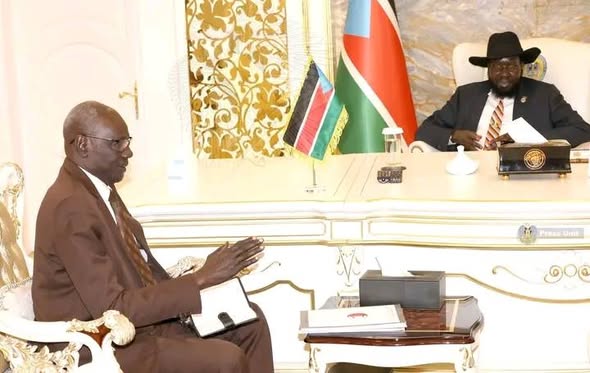
Abraham Malith, the economic advisor in the office of the Vice President of the Republic of South Sudan for Economic Bloc Affairs, warned of the continued sharp deterioration in the value of the South Sudanese Pound against the US Dollar, emphasizing that the national currency could face further decline in the coming months if the government does not take urgent economic measures to address the crisis.
Sharp decline of the South Sudanese Pound
Malliet said, in statements reported by Eye Radio, that the dollar exchange rate in the parallel market reached about 700,000 South Sudanese pounds for 100 US dollars this week, which reflects the increasing pressures facing the national economy. He warned that the rate could reach one million pounds for 100 dollars by the end of 2026 if the current economic conditions continue without effective interventions.
The economic advisor explained that the exchange rate crisis is not linked to a single factor, but rather reflects a set of structural challenges plaguing South Sudan's economy. These include the continuous rise in demand for the US dollar, a decline in the confidence of citizens and businesses in the local currency, in addition to weak local production and the country's heavy reliance on imports to meet its basic needs.
He added that excessive reliance on imported goods increases demand for foreign currency, putting pressure on limited foreign exchange reserves, leading to further depreciation of the pound and rising inflation rates, which directly reflects on the prices of basic commodities and increases the cost of living for citizens.
And it called on the government to adopt a package of urgent economic reforms, focusing on diversifying national income sources and reducing reliance on the oil sector, by enhancing investment in the agriculture, fisheries, and mining sectors, considering them sectors capable of providing job opportunities, increasing local production, and achieving additional foreign currency revenues.
He also stressed the need to reduce reliance on imports by supporting local industries and stimulating national production, which contributes to easing demand for dollars and improving the trade balance.
The economic advisor stressed the importance of strengthening coordination between the Bank of South Sudan, the Ministry of Finance and Planning, and other economic institutions to develop more effective monetary and fiscal policies to address the currency crisis, noting that restoring the confidence of citizens and investors in the South Sudanese Pound is a key element for the success of any economic reform.
These warnings come at a time when South Sudan's economy is facing increasing challenges, including exchange rate fluctuations, high inflation rates, and a decline in purchasing power. This is prompting experts to call for urgent structural reforms to ensure economic stability and preserve the value of the national currency, amid concerns about the escalating repercussions of the crisis on living conditions and development in the country.