
From conflicts to reform and development.. The Rwandan Embassy in Cairo celebrates its 32nd National Day
Written by Mohamed Omran
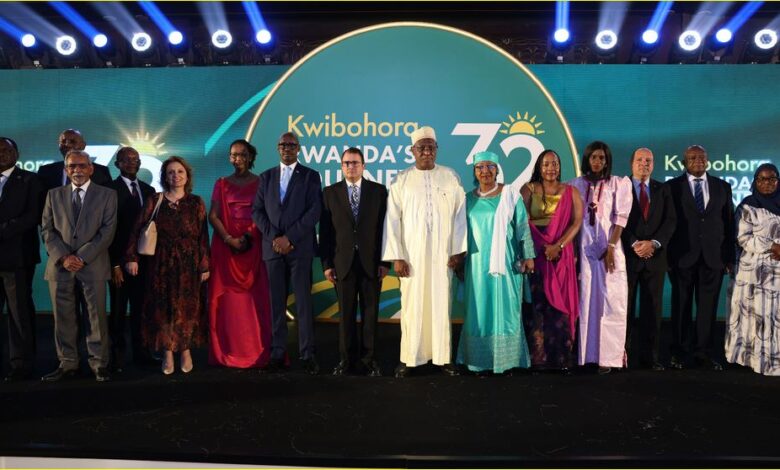
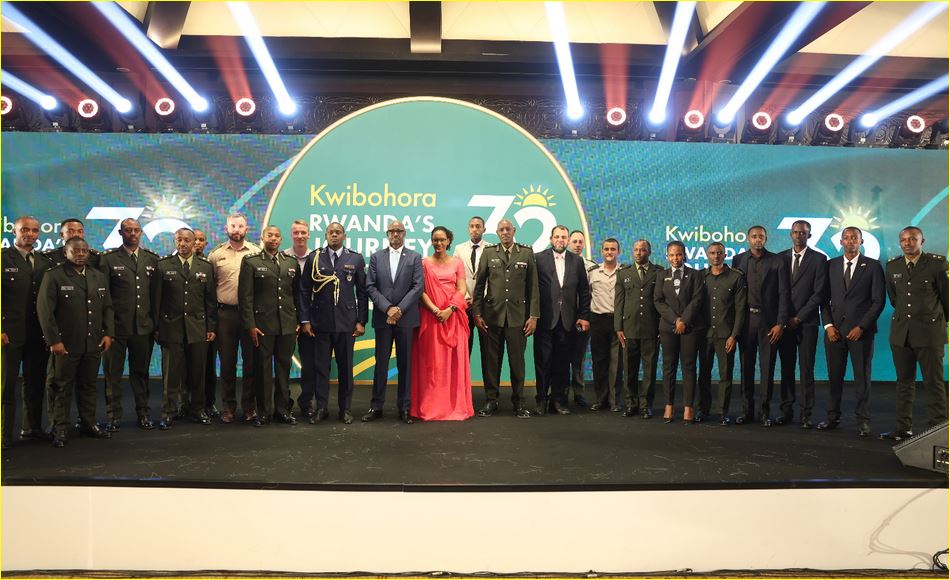
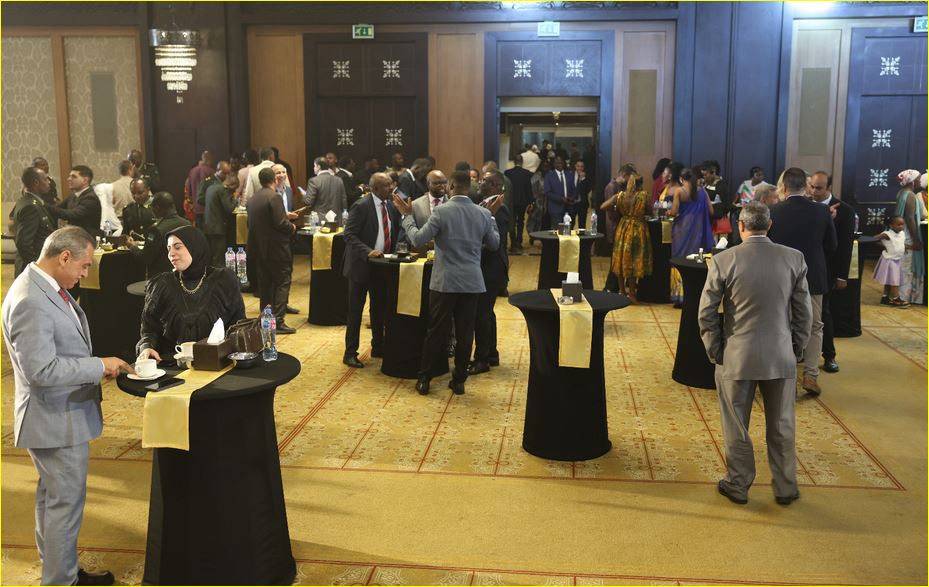
The Republic of Rwanda held a grand celebration for its 32nd National Day at a major hotel in Cairo. This national occasion embodied a long journey of reconstruction and development, and recalled one of the most important milestones in the country's modern history. Over the past three decades, Rwanda has succeeded in transforming itself from a country that suffered the ravages of conflict into an African model of stability, economic reform, and sustainable development.
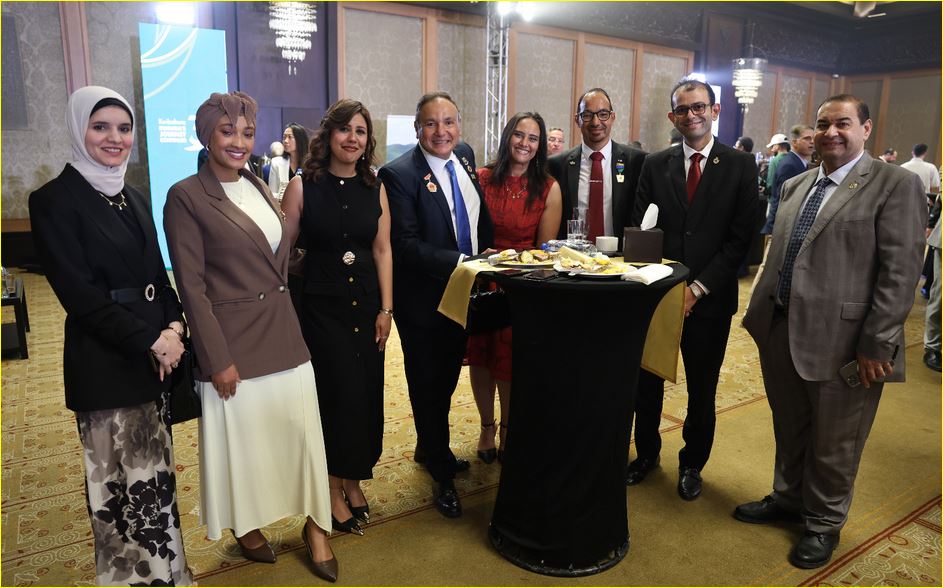
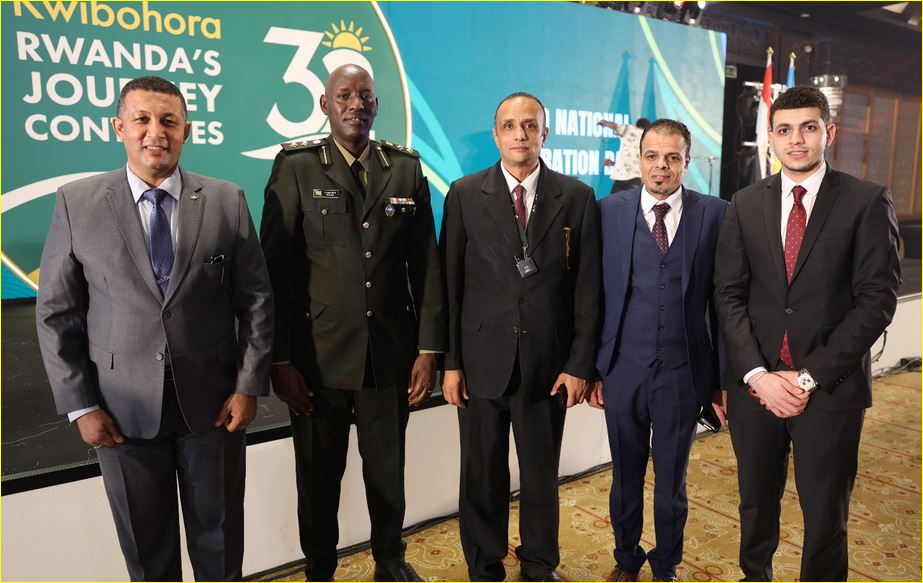
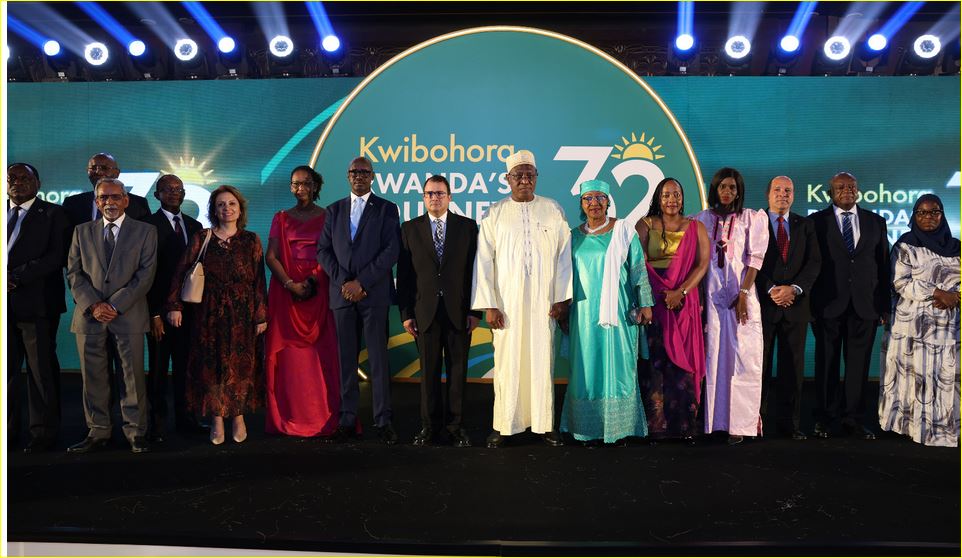
The celebration was attended by the Ambassador of Rwanda in Cairo, the Ambassador of Cameroon in Cairo, Ambassador Sherif Karim, Assistant Minister of Foreign Affairs for African Affairs, and a number of ambassadors, diplomats, and specialists in African affairs.
The National Day is an occasion to affirm the unity of the Rwandan people and promote the values of national reconciliation. It also represents an opportunity to review the achievements made by the state in the fields of economy, investment, technology, education, health, and infrastructure, which have made Rwanda one of the most attractive African economies for foreign investment.
Rwanda celebrates its official national holiday, “Independence Day,” on July 1st of each year, commemorating its independence from Belgium in 1962.
As the country officially celebrates Liberation Day on July 4th, which marks the anniversary of the end of the genocide and the fall of the previous regime in 1994, and the end of the liberation war, and the beginning of the nation-building phase.
Over several years, the Rwandan government has continued to implement economic reform programs to improve the business environment, develop digital government services, support entrepreneurship, and promote the green economy, which has been reflected in Rwanda's ranking among the leading African countries in ease of doing business and attracting investments.
Kigali has also succeeded in establishing itself as a regional hub for international conferences and economic events, benefiting from a sophisticated infrastructure network, political and security stability, and government policies that support investment and innovation.
Digital transformation
Rwanda has significantly expanded its use of technology in government services, education, and healthcare, alongside investments in the digital economy and artificial intelligence, thereby enhancing the national economy's competitiveness and keeping pace with global transformations.
Tourism sector
The tourism sector holds a pivotal place in the Rwandan economy, particularly ecotourism and mountain gorilla tourism, which have become among the most prominent attractions for visitors, alongside international conferences and sports and cultural events that the country regularly hosts.
Rwanda has focused on strengthening ties with African countries through its active participation in economic integration initiatives, support for the African Continental Free Trade Area, and expanding cooperation with various countries in the fields of investment, technology, and infrastructure.
The Rwandan economy has maintained strong growth rates supported by investments in industry, services, and modern agriculture, in addition to the continued implementation of infrastructure, energy, and transportation projects.
Rwanda relies on a long-term vision by focusing on good governance, investing in human capital, digital transformation, and openness to foreign investment.
It gradually diversified its economy away from reliance on traditional agriculture, focusing on technology, services, and tourism, which contributed to strengthening its ability to withstand global economic fluctuations.

 Arabic
  English
  French