Written by: Mohammed Omran
A new court ruling in Kenya has sparked widespread controversy over freedom of belief and the limits of applying anti-drug laws, after the Supreme Court rejected a request submitted by followers of the Rastafari religion to allow them to use cannabis (marijuana) in their religious rituals, considering that they had not proven that its use represents an essential pillar of their rituals, in a decision that angered members of the Rastafari community who announced their commitment to appealing the ruling and continuing to defend their religious rights.
A blow to Rastafari in Kenya: Court rejects use of marijuana in religious rituals
Kenya’s Supreme Court has rejected a petition by followers of the Rastafarian faith to allow the use of cannabis (marijuana) for religious purposes, in a ruling that has disappointed members of the community, who have vowed to appeal the decision and continue to demand their right to practice their religious rituals.
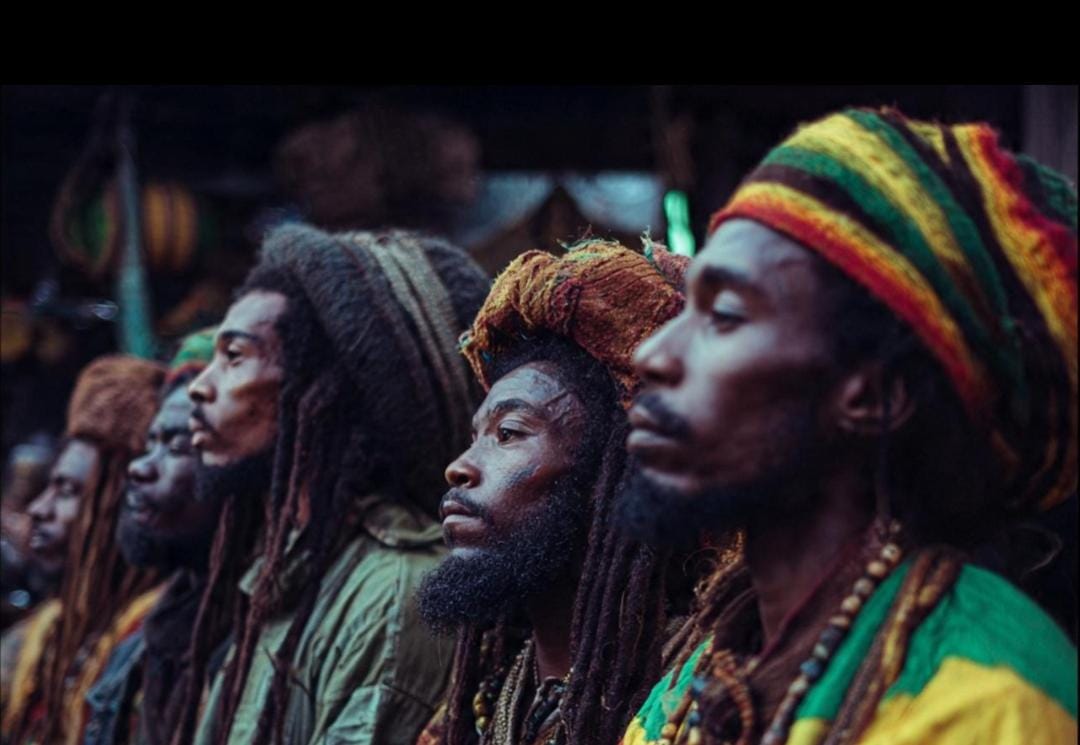
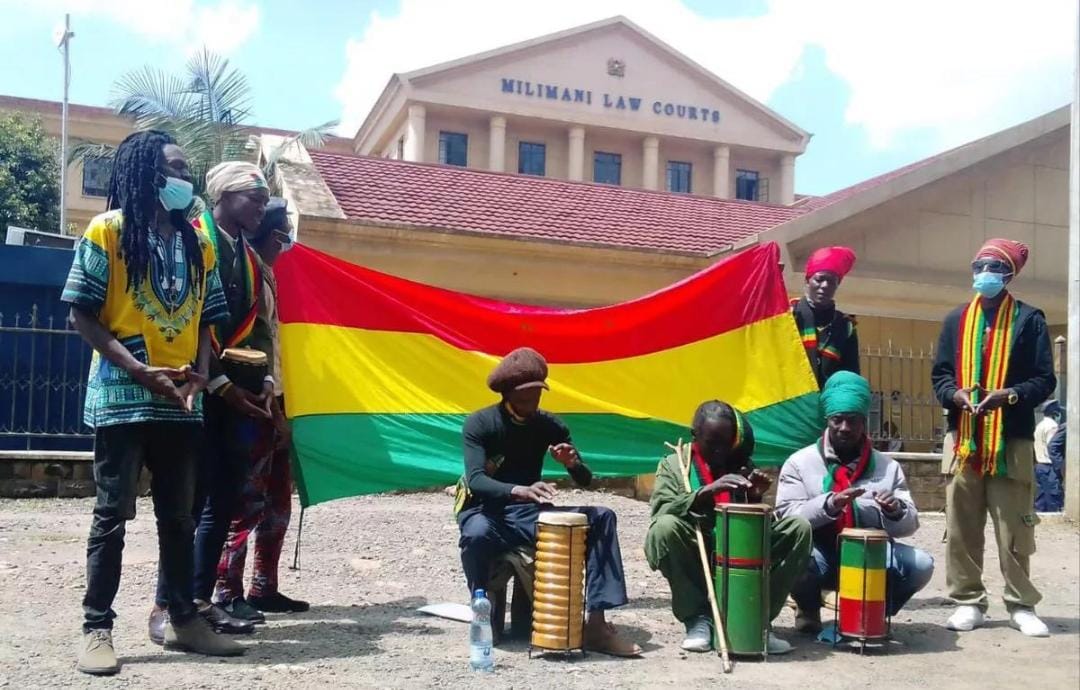
The Rastafari Association of Kenya filed the lawsuit in 2021, demanding that the use of cannabis be permitted based on the constitutional right to freedom of religion, asserting that the herb is used during meditation and worship rituals.
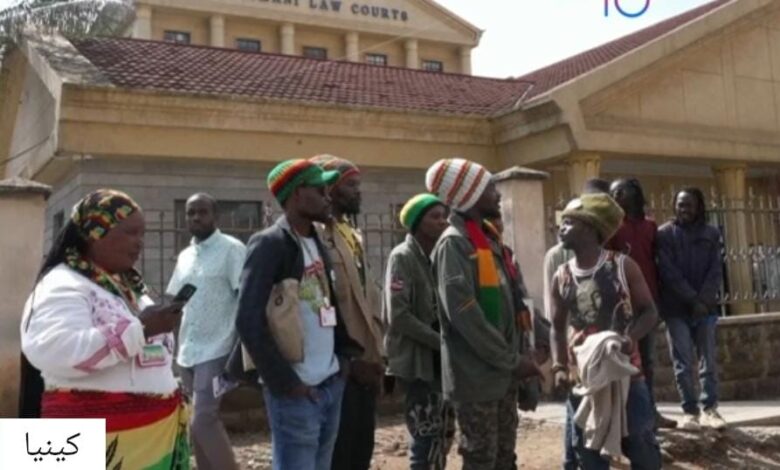
In front of the Supreme Court in the capital, Nairobi, a number of followers of the movement expressed their dissatisfaction with the ruling. Ras Wambua, spokesman for the Rastafari Association in Kenya, said: “We will not lose hope, we will continue to pursue our rights. When we see one door closed, we believe that other doors have opened.”.
The judge explained in the reasoning of the ruling that the witnesses all agreed on the use of cannabis within religious rituals, but they differed on whether its use was a religious necessity or merely a preference, which prevented the case from being accepted.
For his part, Ras Demo, one of the petitioners, described the ruling as an extension of ”colonial laws that suppress African spirituality,” stressing that followers of the Rastafarian religion will continue to defend their right to use cannabis during their religious rituals, while the association’s lawyer announced his intention to file an appeal against the ruling.
Despite dismissing the case, the judge noted that the widespread use of cannabis in Kenya opens the door to the need for a societal and legislative discussion about the future of the law regulating this substance, considering that the current situation may warrant a review of it.
Rastafari, which originated in Jamaica during the 1930s, is a religious movement that emphasizes African unity, spirituality, and a vegetarian diet. Its followers also view the late Ethiopian Emperor Haile Selassie as a holy figure.
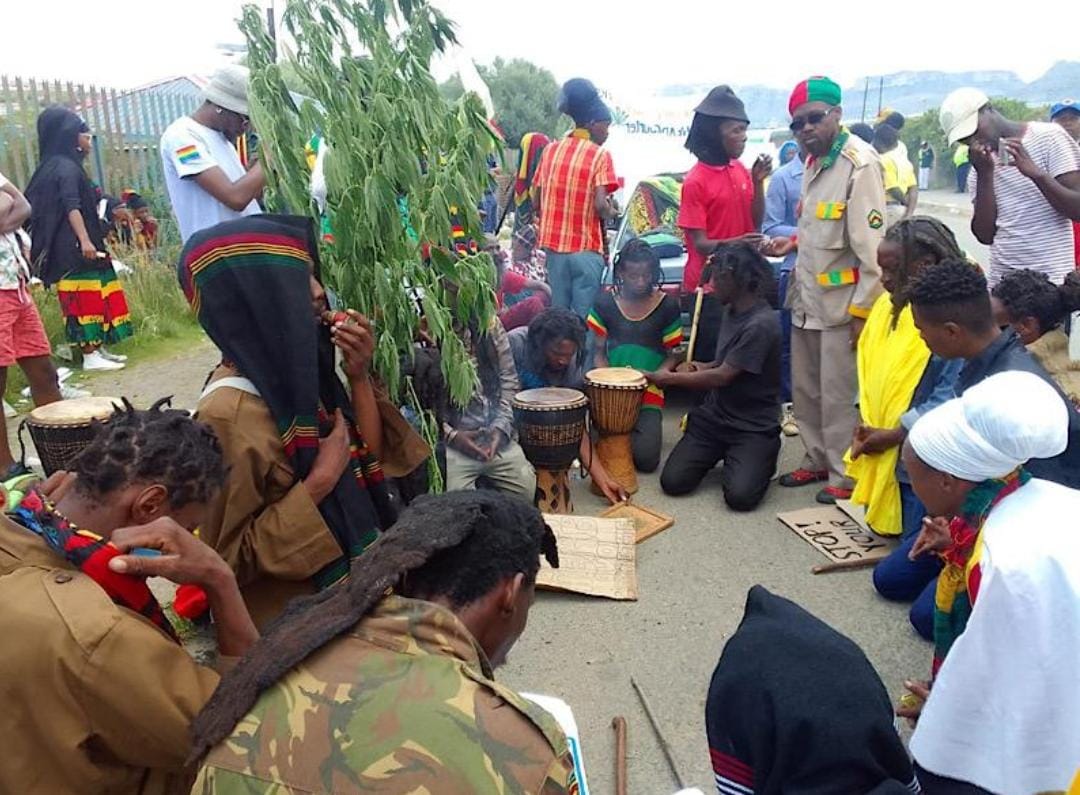
Rastafarians have a historical connection to Kenya, as the dreadlocks hairstyle was associated with the Mau Mau fighters who struggled against British colonialism during the 1950s and 1960s, while members of the community assert that drug laws are often used as a pretext to harass and target them.