
Kenya Arrests Protesters in “Saba Saba” March and Closes Capital
Ahmed Salem
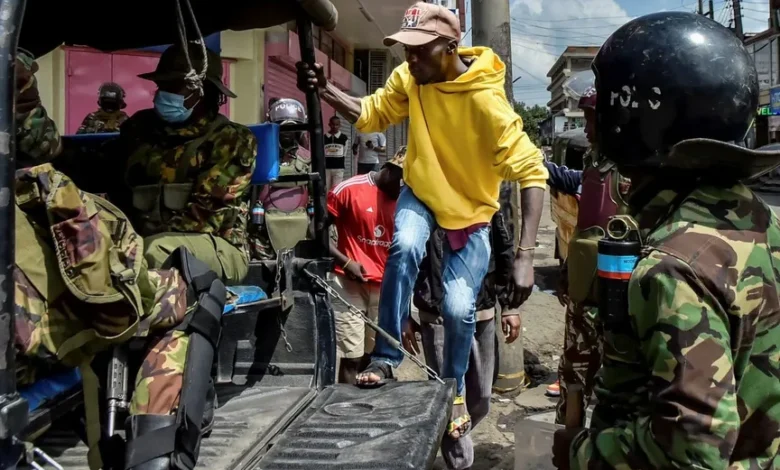
Kenyan police blocked the planned Saba Saba Day march in Nairobi on Tuesday, arresting protesters and shutting down the capital, as President William Ruto's government intensified its crackdown on the opposition amid ongoing anger over police brutality, economic hardships, and shrinking civil liberties.
Kenyan police have banned the planned Saba Saba Day march in Nairobi, deploying roadblocks, plainclothes officers, and unmarked vehicles to prevent protesters from gathering.
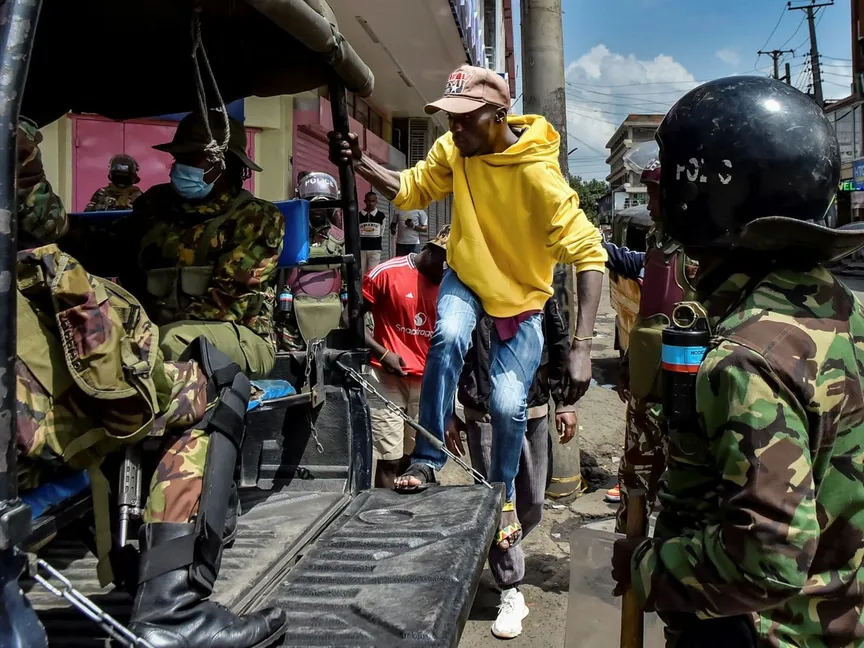
Peaceful march to commemorate July 7, 1990
The Economic Justice Movement announced a peaceful march to commemorate July 7, 1990, when Kenyans took to the streets to demand multi-party democracy.
Police said they had not received official notification of the event and announced that any unauthorized march, and fewer than ten demonstrators managed to gather in the city center before police quickly intervened.
Agencies France-Pres.
A historic day becomes a meeting point
July 7th is known as Saba Saba, which means “seven seven” in Swahili, and this day has long symbolized Kenya's struggle for democratic reforms.
But in recent years, the anniversary has become a focal point for wider protests against corruption, the rising cost of living, and allegations of police brutality under President William Ruto.
The government adopted an increasingly hardline response to demonstrations in the wake of anti-government protests that broke out in 2024 and resulted in casualties.
Organizers highlight human rights violations
The Economic Justice Movement said the march aims to highlight alleged extrajudicial killings, forced disappearances, arbitrary arrests, and police brutality.
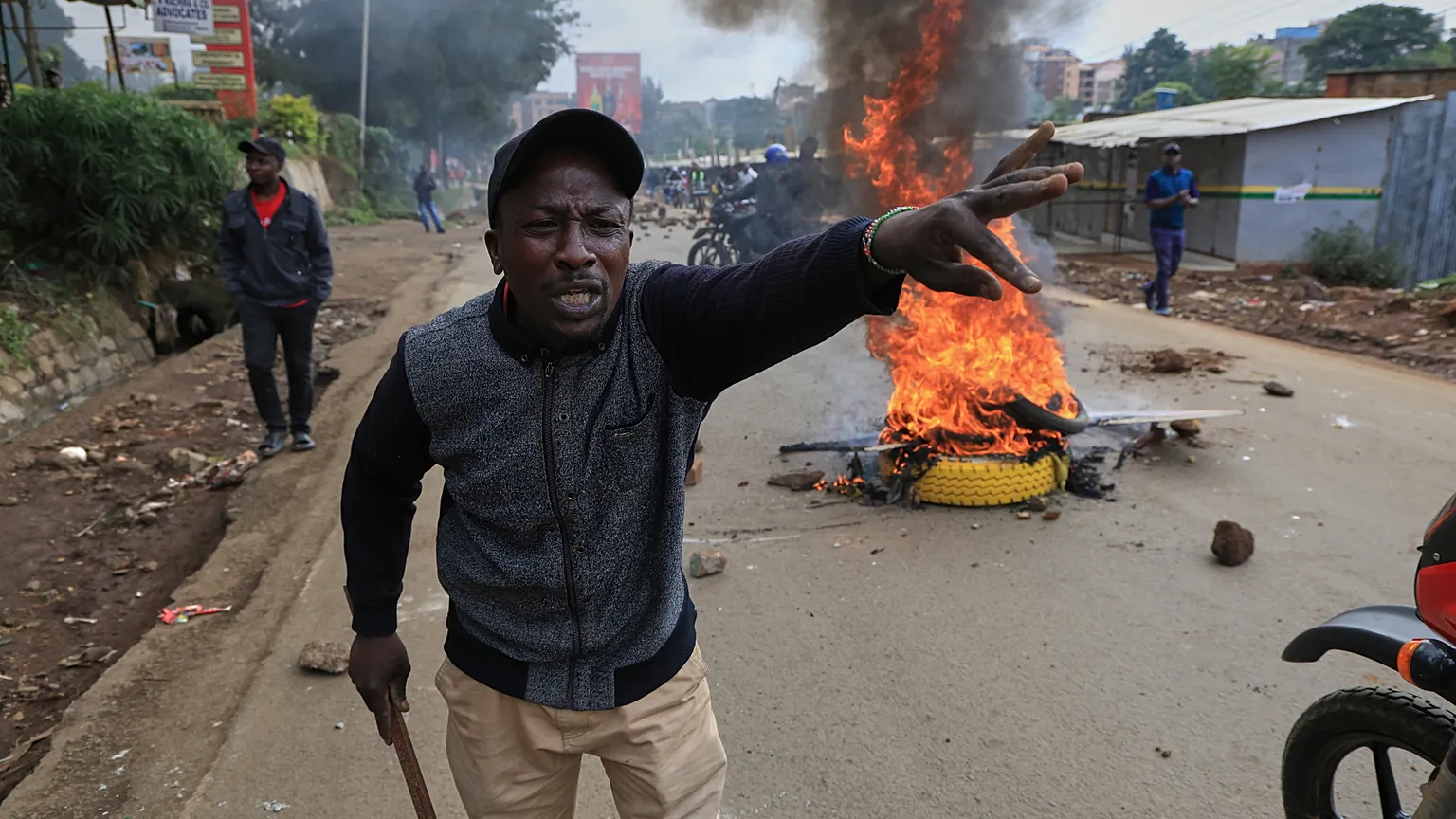
Attention was also drawn to the worsening economic crisis in the country and the decline in opportunities available to youth, emphasizing that these issues remain unresolved despite repeated calls for accountability and reform.
Fear drives away crowds
The heightened security operation was not the only factor limiting attendance, as many Kenyans have become hesitant to join demonstrations following repeated incidents of bloody violence.
According to figures released by the Kenyan Police Oversight Authority, at least 127 people were killed during the protest periods in June and July 2024 and again in 2025.
“There's a general sense of weariness,” Wanjira Wangiro of Mathare Centre for Social Justice told AFP, reflecting a growing public fear in the wake of months of unrest.



 Arabic
  English
  French