
President El-Sisi witnesses a review of state apparatus capabilities in confronting crises and disasters.
As part of the opening ceremonies for the State Strategic Command
Written by Ziad Abdel Fattah:
President Abdel Fattah El-Sisi, the Supreme Commander of the Armed Forces, witnessed on Tuesday, Review The capabilities of state apparatus in confronting crises and disasters, within the framework of the events for the inauguration of the State's Strategic Command in the New Administrative Capital, in the presence of Counselor Hisham Badawi, Speaker of the House of Representatives, Counselor Essam El-Din Farid, Speaker of the Senate, Dr. Mostafa Madbouly, Prime Minister, Lieutenant General Ashraf Salem Zaher, Commander-in-Chief of the Armed Forces, Minister of Defense and Military Production, Lieutenant General Ahmed Khalifa, Chief of Staff of the Armed Forces, alongside the commanders of the main branches of the Armed Forces, and a number of ministers and senior state officials.
The official spokesperson for the Presidency of the Republic explained that upon the President’s arrival at the Egyptian Military Academy at the Strategic Command headquarters, the honor guard rendered a military salute while the band played the national anthem of the Arab Republic of Egypt.
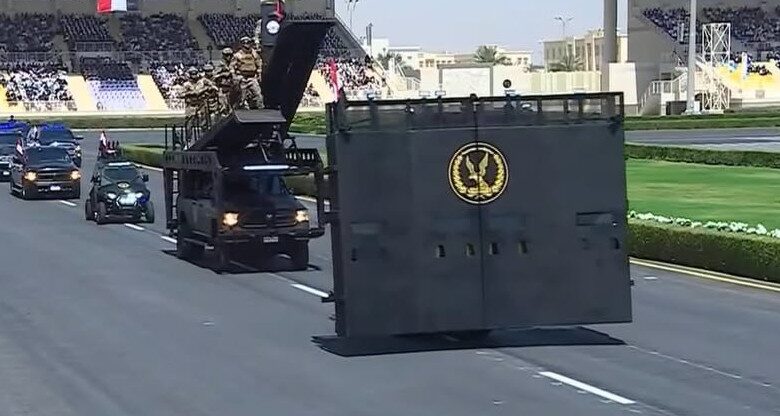
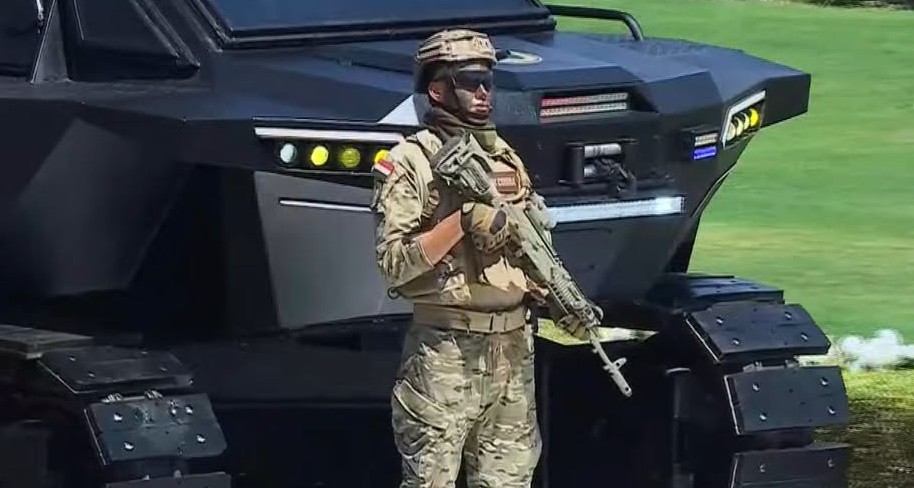
Ambassador Mohamed El-Shennawi, the official spokesperson, added that the ceremony began with a recitation of verses from the Holy Quran, followed by a speech by Dr. Mostafa Madbouly, Prime Minister, followed by a parade of various types of equipment designed to address different kinds of crises—including terrorist attacks, health crises related to the spread of epidemics, and natural and industrial disasters—as well as search-and-rescue and medical evacuation equipment, all of which were displayed in front of the ceremony stage.
At the end of the tour, the President delivered remarks in which he expressed his greetings, appreciation, and pride in the Egyptian state agencies, noting the launch of the Strategic Command responsible for managing and coordinating the various Egyptian state agencies and governorates during crises, He explained that this is not a new concept but is already in place in many countries that organize the protection of their citizens during various crises, noting that the state must continuously work to develop its capabilities and resources.
The president added that civil defense elements already exist in Egypt, but it was necessary to work on organizing those capabilities and establishing an entity that provides strong support to confront any crisis or disaster facing the country.
Part of the state's capabilities to confront crises
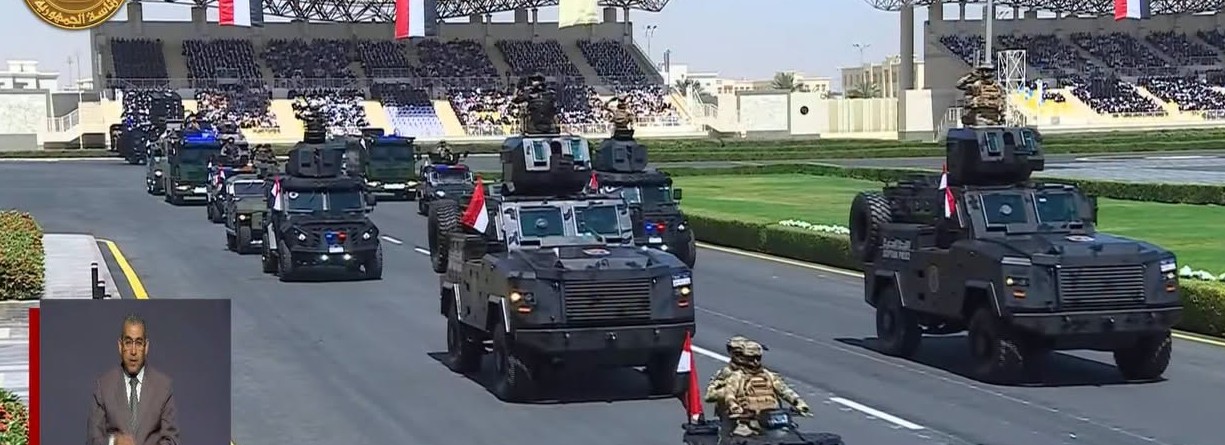
The president noted that what was presented today is only a small part of the state’s capabilities for dealing with crises, explaining that the concept of the state is broad and goes beyond simply providing for the livelihoods of its citizens.
The President noted that the state has sought—both through the presentation at the Strategic Command’s opening ceremony and today—to inform citizens of its capabilities, emphasizing the importance of crisis simulations and the ways in which state agencies respond to them, noting in this regard that responding to crises and disasters involves numerous factors and elements that contribute to a successful response when needed, such as training, the availability of equipment, and its safety and efficiency. He explained that the state needs to conduct crisis or disaster simulations at least once or twice a year to ensure that its response is not haphazard.
Awareness of crisis management must be increased
The President emphasized that the state is making a significant effort in this regard, which the Egyptian people should be aware of, and that it is also important, in this context, for people across various sectors to work toward raising public awareness in this regard through various gatherings—including schools, community groups, mosques, and churches—in order to deal with crises effectively and ensure that their impacts are minimized.
The President added that the state must also anticipate and predict crises in advance, reiterating the importance of citizens knowing the state's efforts in this regard, explaining that this role falls on the state and various media outlets.
At the end of his remarks, the President expressed his thanks and appreciation to Dr. Mostafa Madbouly, Prime Minister, the Cabinet, and the Armed Forces for their efforts and arrangements to convey messages and provide explanations to citizens through today’s events and activities, as well as during the inauguration of the Strategic Command.
The official spokesperson noted that the second section of the event’s program includes the president’s visit to the National Defense Coordination Center, viewing a documentary film about the center, and then watching a simulation of a hypothetical crisis, which was led by the prime minister with the participation of several ministers.



 Arabic
  English
  French