On the International Day Against Drug Abuse and Illicit Trafficking, how is Africa facing its most serious health and security challenges?
Countries across the continent are strengthening awareness, treatment, and rehabilitation programs to combat the growing problem of drug abuse.
Written by: Mohammed Omran
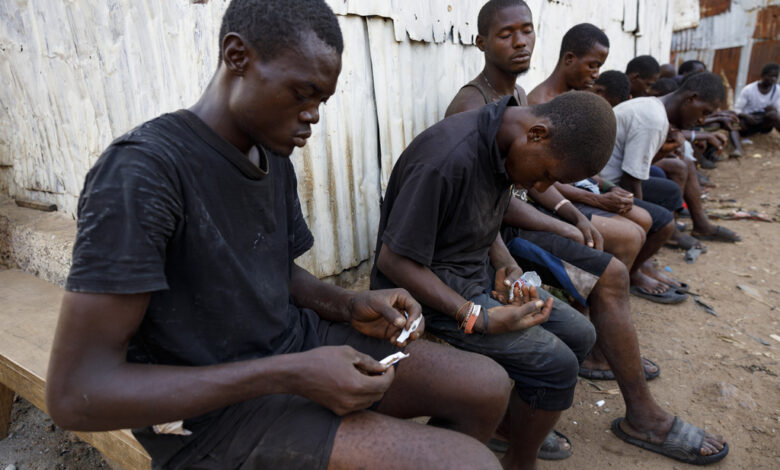
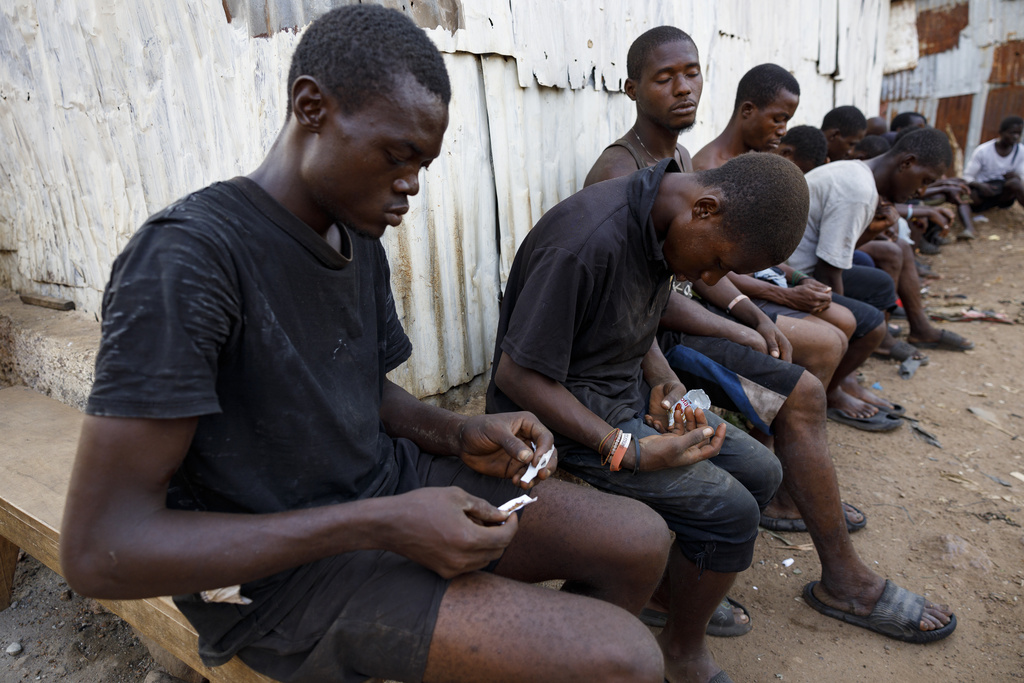
Drugs in Africa are no longer just a security issue related to cross-border smuggling operations, but have turned in recent years into an intertwined health, social and economic crisis that threatens millions of young people and puts increasing pressure on governments.
On the International Day Against Drug Abuse and Illicit Trafficking, how is Africa facing its most serious health and security challenges?
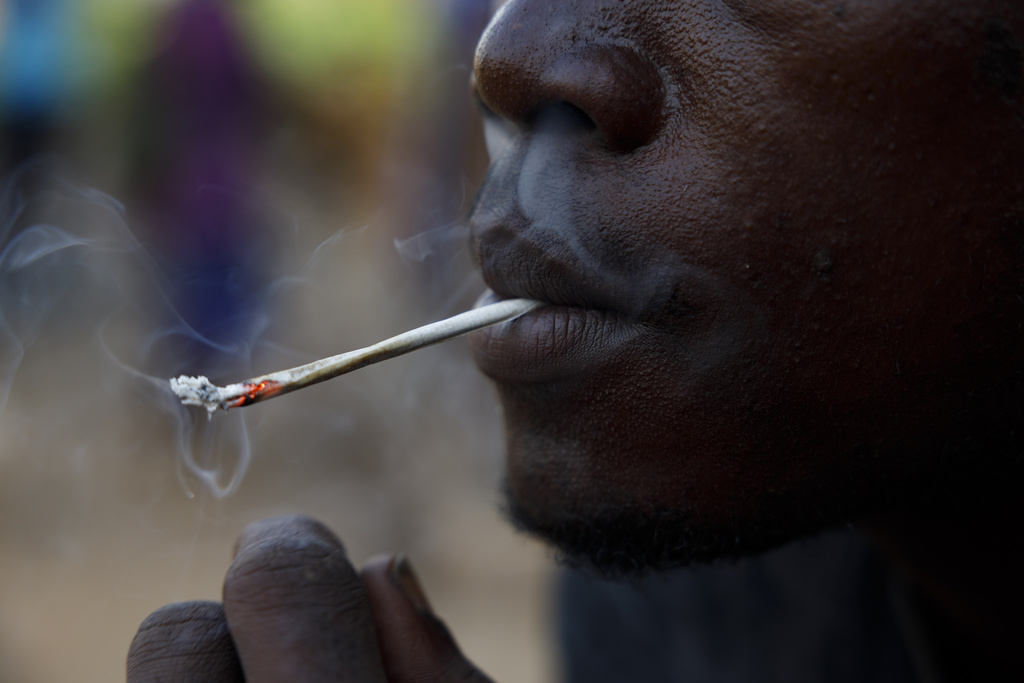
As the world commemorates the International Day against Drug Abuse and Illicit Trafficking on June 26, the African continent has emerged as one of the main arenas requiring more comprehensive responses, given changing patterns of drug use, the emergence of new synthetic drugs, and the expanding influence of organized crime networks.
The slogan of the 2026 campaign, “The global drug problem: ongoing challenges, emerging issues, and innovative responses,” emphasizes that the confrontation no longer depends solely on law enforcement, but also on prevention, treatment, rehabilitation, and community partnership.
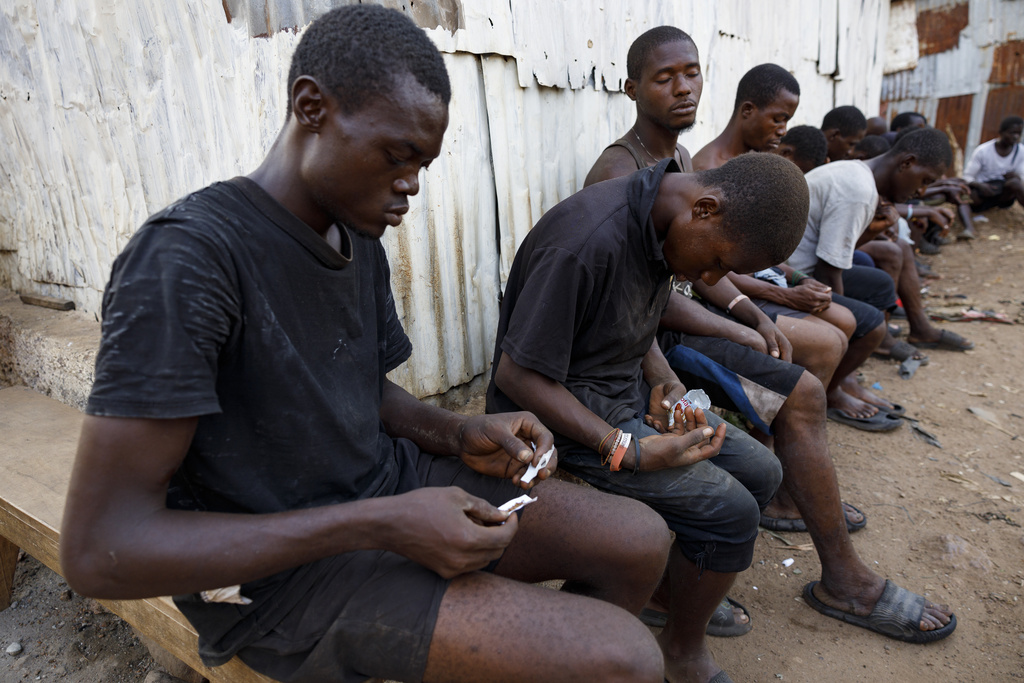
Countries across the continent are strengthening awareness, treatment, and rehabilitation programs to combat the growing problem of drug abuse.
According to the United Nations Office on Drugs and Crime (UNODC), global drug markets are undergoing rapid changes, with cocaine production continuing to rise, the synthetic drug trade expanding, and trafficking networks relying on technology to reach new users, which requires countries to develop their tools to confront the phenomenon.
The office also stressed that young people remain the most vulnerable to exploitation by drug networks, calling for investment in early prevention, data collection, and enhanced treatment and rehabilitation services. The office is also launching the World Drug Report 2026 on this day, which is the leading reference for monitoring global drug use and trafficking trends.
In Africa, several countries took the opportunity to announce new programs or renew their commitments to combating drugs.
In Nigeria, the government has affirmed that combating drugs is a national priority, focusing on protecting youth, raising awareness, and supporting treatment programs, alongside the ongoing efforts of the Nigerian Anti-Narcotics Agency to pursue trafficking networks. Authorities believe that addressing the phenomenon requires a combination of security measures and investment in human capital.
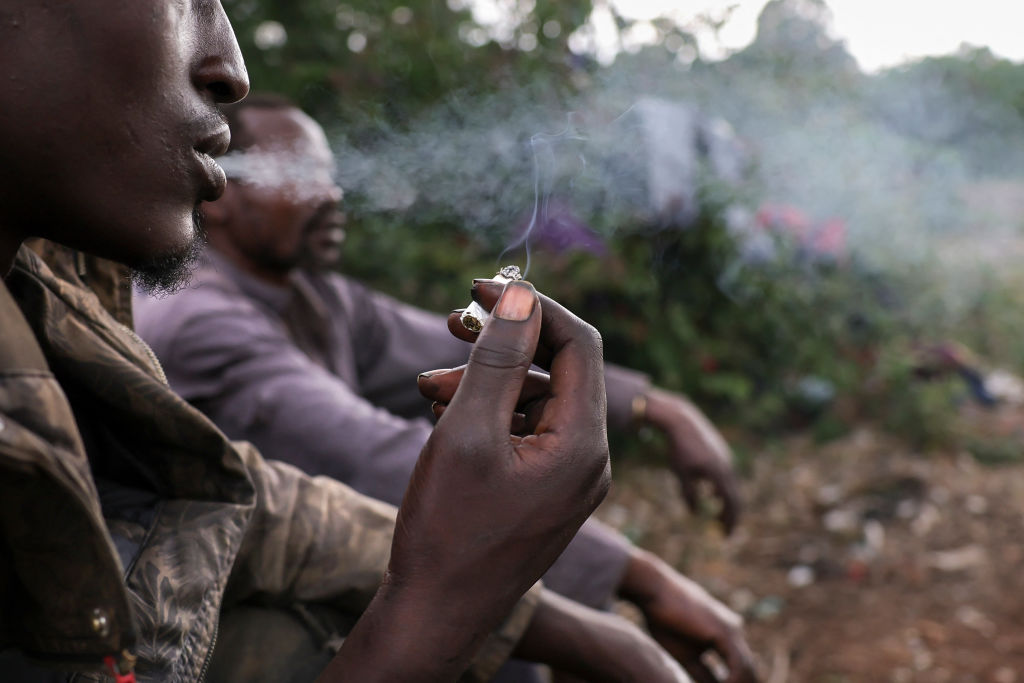
In South Africa, World Drug Day events focused on a more humane approach, based on respect for human rights, expanding access to voluntary treatment, and reducing the social stigma that prevents many addicts from seeking help. The government was also urged to adopt evidence-based policies, prioritizing prevention over punishment alone.
In Burundi, the event highlighted the experience of the Strong Bridge Center in the capital, Bujumbura, which has become a local model for rehabilitating addicts. Since its opening in 2021, the center has received more than 900 young people and successfully reintegrated a large number of them into society, in addition to implementing awareness campaigns in schools to prevent young people from falling into addiction.
Kenya is also continuing to strengthen its national programs after data from the National Drug Control Board showed that about one in six people between the ages of 15 and 65 use some type of drug or psychoactive substance, prompting authorities to intensify awareness and treatment campaigns, especially in the most affected areas.
These examples reveal that African countries, despite their varying capabilities, are moving towards a shared vision that considers addiction as much a public health issue as a security one. Successful experiences confirm that investing in education, mental health, vocational training, and the reintegration of recovering addicts is the most effective way to reduce drug use, alongside continued efforts to dismantle trafficking networks.
While the continent continues to face the challenges of poverty, unemployment and conflict, the success of anti-drug policies remains linked to the ability of governments to build partnerships between security institutions, the health sector and civil society, and to transform the International Day Against Drug Abuse and Illicit Trafficking from an annual event into a sustainable action program that protects new generations and promotes the security and stability of African societies.