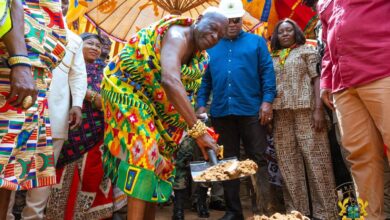
Residents of a forest in Kenya are complaining about the construction of a fence around it.
Kaptagat Forest in Kenya
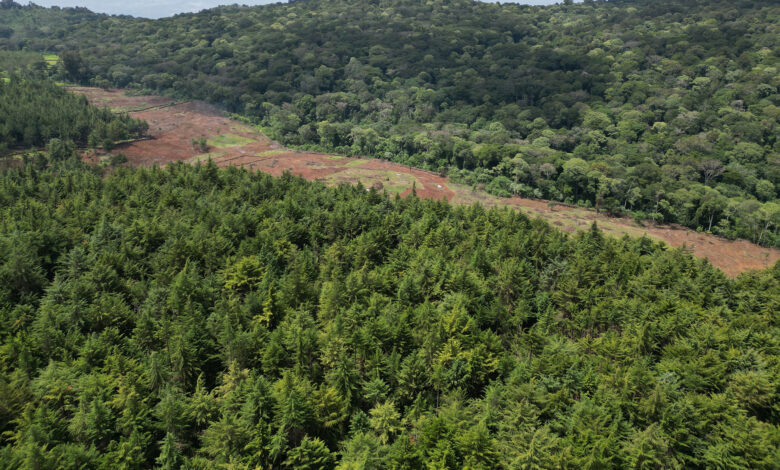
Ayman Ragab
A $2.68 million project to protect the Kaptagat Forest in Kenya, supported by the United Nations Development Programme, has sparked controversy after accusations from indigenous people that a fence was erected on their ancestral lands and burial sites without their consent.
On February 27, 2026, the Kyo Indigenous Community filed a formal complaint with the UNDP's Social and Environmental Compliance Unit, accusing the project of violating its historical rights and failing to respect the principle of free, prior and informed consent. Although the complaint was still in the eligibility review stage, the Kenyan government officially began construction of the fence on May 4.
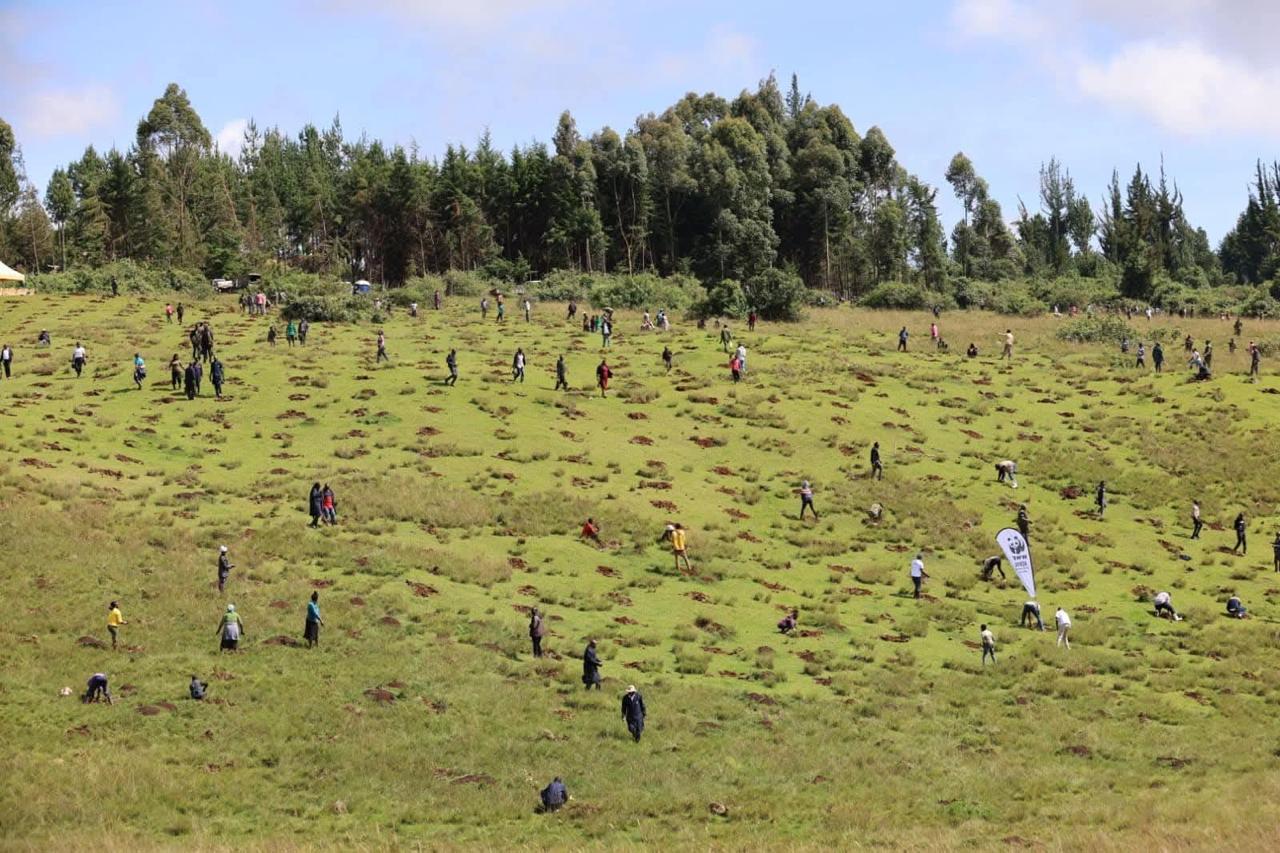
Captag Integrated Program
The Kaptagat Integrated Conservation Program covers more than 20,000 hectares in the Elgeo Marakwit and Usin Gishuo districts, encompassing five key forest sectors: Sabur, Benun, Kippacapus, Kisup, and Kaptagat. The government states that the project aims to restore degraded ecosystems and bolster forest conservation efforts, in line with President William Ruto's pledge to plant 15 billion trees by 2032.
But representatives of the Kew community see the project as a new chapter in their historical exclusion, noting that the fence restricts their access to grazing lands, sacred burial sites, and areas they have relied on for their livelihood for many years.
The complaint includes allegations of violating four UN social and environmental standards, including the rights of indigenous peoples to their lands and cultural sites, the lack of genuine community consent, economic displacement without compensation, and the lack of protection for people who objected to the project.

Restricting traditional grazing rights in favor of avocado farming projects
In the Sabur region, residents accused authorities of restricting traditional grazing rights in favor of state-subsidized avocado farming projects, while elders in the Binun region say the fence threatens access to sacred burial sites. Residents also believe that alternative government initiatives, such as distributing high-yielding cattle, do not compensate for the loss of access to land and forests.
The case brings to mind similar experiences in the Kakamega Forest in western Kenya, where recent studies have shown that stricter protection measures and the imposition of fences have significantly affected families most dependent on forests as a source of fuel, food, and medicine.
The continuation of construction despite a formal complaint raises questions about the effectiveness of accountability mechanisms in international climate finance projects. According to Kenyan forestry officials, the UN Compliance Unit lacks the legal authority to halt construction, while freezing international funding remains one of the few available leverage options.
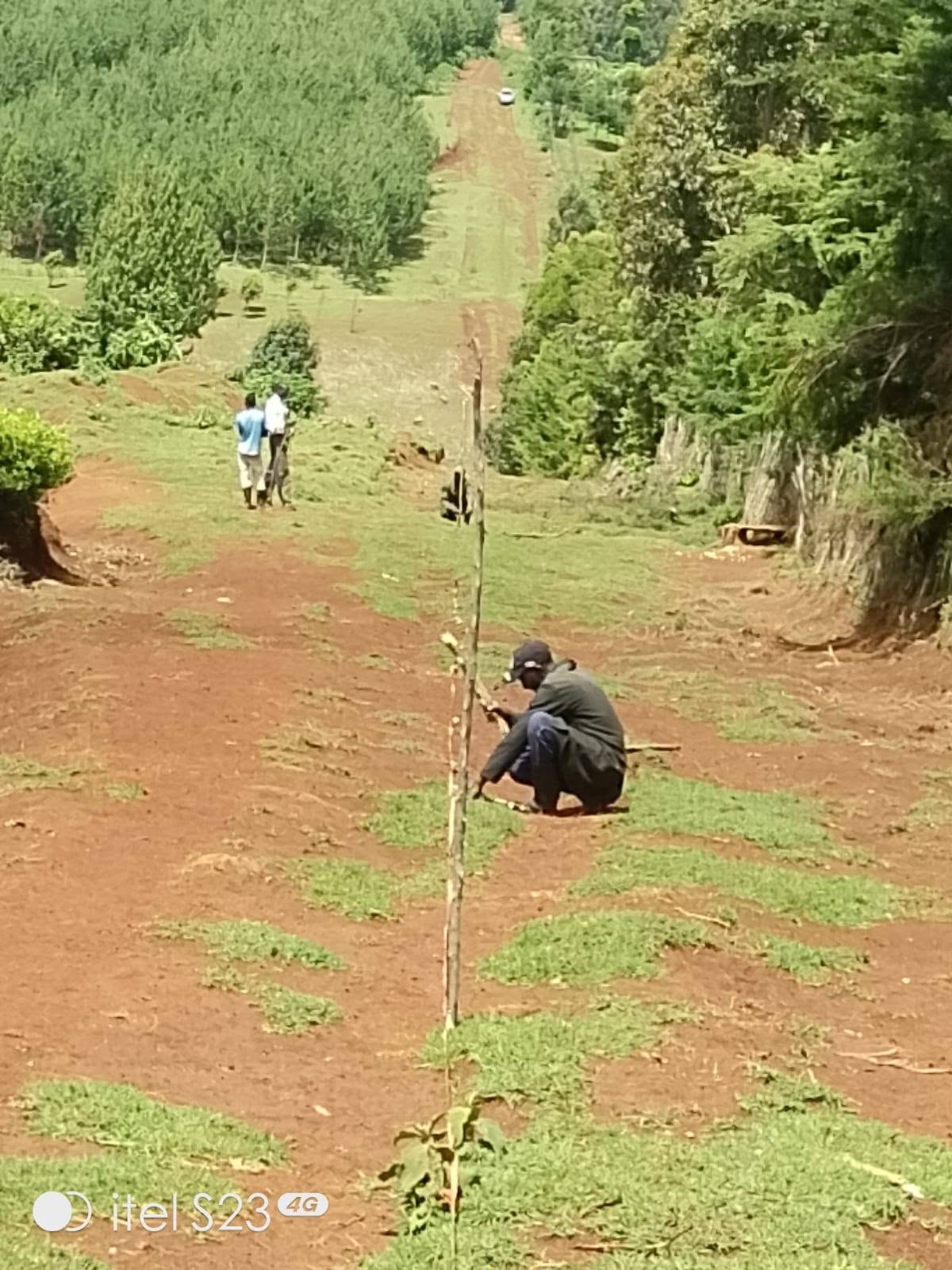
Continued construction of the fence
Observers believe the issue goes beyond a local dispute over a piece of land, raising broader questions about the ability of conservation and climate finance projects in Africa to balance forest protection with respect for the rights of indigenous communities.
While the Kenyan government insists that reforestation is an urgent environmental necessity, the residents of Kyo are still waiting for the results of their complaint, as the fence continues to be built on land they say is part of their history and inherited right.
Improve accuracy in documents and research
Upgrade to Plus and use the latest Thinking model to integrate and analyze complex documents, research, files, and information.
Try Plus for free