Congo: The lost treasure of electric cars amidst the poverty of its people
world's largest reserve
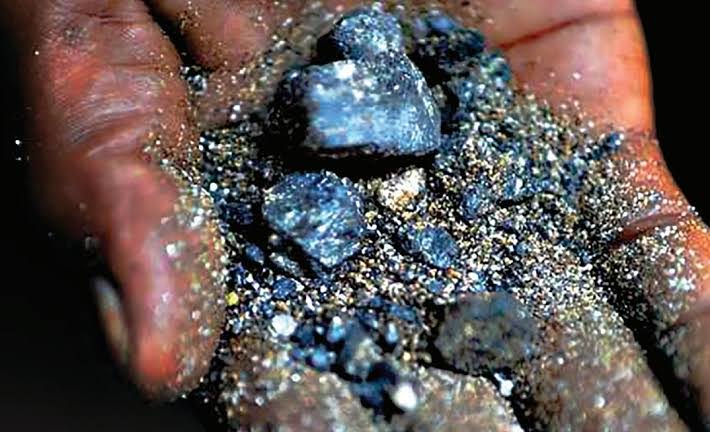
Amnia Hassan wrote: "The Republic is transforming" Congo Democracy is gradually becoming a pivotal player in the global clean energy market, thanks to having the world's largest reserves of cobalt, a metal used in the manufacture of batteries for electric cars and smartphones.
While global companies race to acquire this strategic mineral, millions of Congolese remain mired in poverty, a paradox that reflects what is known as the ”resource curse.”.
Cobalt is the blue gold of the modern world
The Democratic Republic of Congo produces about 70% of the world's cobalt, according to data from the International Energy Agency, making it a key focus in plans to transition to clean energy.
Cobalt is primarily used in lithium batteries for electric vehicles, which are relied upon by global companies such as Tesla and BYD.
Most of the mines are concentrated in the southern Katanga province, where huge international mining companies operate, along with thousands of workers in traditional mines that often lack safety standards.
Immense wealth and chronic poverty
Although mineral exports generate billions of dollars annually, a large percentage of the Congolese population lives below the poverty line due to corruption, poor infrastructure, and the misallocation of natural resource revenues. Human rights organizations also accuse some mining companies of exploiting labor, including child labor, within small mines.
Economists assert that the country’s almost complete reliance on exporting raw materials without developing local industries has deprived the Congolese economy of real added value, while foreign companies benefit from the lion’s share of the profits.
International conflict over African minerals
Congo has become an arena of competition between major economic powers, especially China and the United States, amid growing demand for rare minerals needed for the technology and clean energy industries.
Chinese companies control a large proportion of cobalt mines, after Beijing invested billions of dollars in mining infrastructure within the country, raising Western concerns about a potential monopoly over global supply chains.
Is Congo benefiting from its wealth?
Observers believe that the future of Congo depends on its ability to impose greater control over the mining sector, develop local manufacturing industries, and improve the conditions of workers. While cobalt is seen as the fuel of the global electrical revolution, the Congolese citizen is still waiting for his real share of this “blue treasure”.