World Health Organization warns: Inequality in cancer care claims millions of lives worldwide
UN report reveals a growing gap in prevention and treatment between countries
Written by: Mohamed Ragab
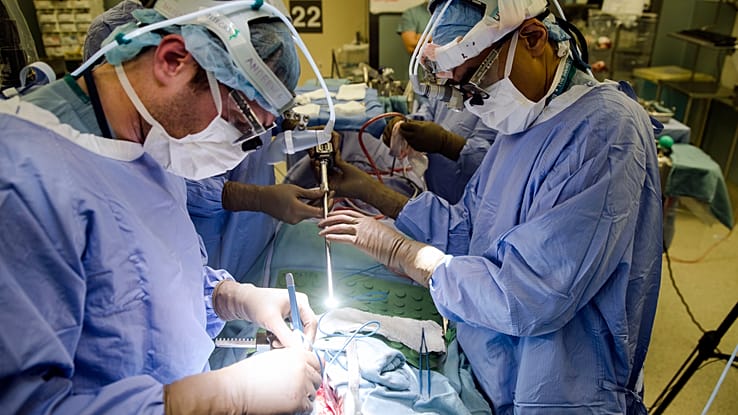
The World Health Organization warned that inequality in cancer prevention, diagnosis, and treatment is causing millions of deaths worldwide, emphasizing that the chances of surviving the disease still heavily depend on the patient's place of residence and income level, despite significant advancements in medical science in recent years.
This comes in the “Global Cancer Status Report 2026,” released in collaboration with the International Agency for Research on Cancer.
Projected increase in injuries by 2050
The report indicated that the number of new cancer cases currently reaches about 20.6 million annually, with nearly 10 million deaths recorded each year. It warned that this figure could rise to approximately 35 million cases annually by 2050 if governments do not take urgent measures to enhance prevention, early detection, and improve treatment opportunities.
A big difference in survival chances.
The World Health Organization has confirmed that the gap between rich and poor countries remains wide, with five-year survival rates for women with breast cancer in high-income countries reaching more than 85%, while it drops to less than 50% in many low-income countries, due to limited health services, a shortage of medicines and medical equipment, and delayed diagnosis.
The report also clarified that many countries do not provide cancer treatment services within universal health coverage programs, forcing thousands of patients to bear exorbitant costs or forgo treatment due to financial burdens.
Preventable factors
The report noted that approximately 40% of cancer cases are linked to preventable risk factors, such as smoking, excessive alcohol consumption, obesity, physical inactivity, poor nutrition, and certain types of infections, emphasizing that investing in prevention, vaccination, and early detection programs can significantly reduce incidence and mortality rates.
A call for urgent global action
The World Health Organization urged governments to integrate cancer services into universal health coverage systems, increase investment in early diagnosis, treatment, and supportive care, while ensuring all patients have access to health services without discrimination.
The report emphasized that confronting cancer requires not only the development of new treatments but also bridging the gap in access to healthcare, so that economic circumstances or place of residence do not determine a patient's chances of surviving the disease.