5 years of drought... Has the region entered a danger zone?
European report warns of water future in East Africa
Written by: Mohammed Omran
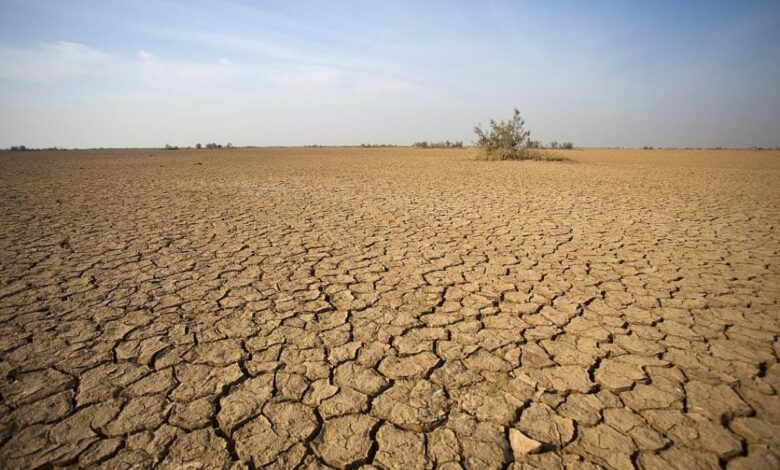
A report by the European Commission's Joint Research Centre, titled “drought ”In East Africa, the Middle East, and Central Asia," published on May 20, 2026, the period between 2021 and 2025 saw the highest temperatures since data recording began in 1981. This exacerbated drought waves, rainfall shortages, decreased soil moisture, and increased pressure on water resources, which directly impacted food security and fragile agricultural systems in those regions.
Exceptional and continuous climate sequence
The report clarified that the most affected regions included the Horn of Africa, especially Somalia, southeastern Ethiopia, and eastern Kenya, as well as a number of regions in the Middle East and Central Asia, including northern Iran, Afghanistan, Turkmenistan, and Uzbekistan.
He pointed out that these areas have been exposed to successive periods of prolonged drought, coinciding with irregular rainfall, without achieving a sustainable restoration of the water balance.
The report pointed out that natural climate phenomena, chief among them ENSO and the Indian Ocean Dipole, played a major role in affecting rainfall patterns. However, it also confirmed an increasing structural trend towards drought, consistent with the IPCC's Sixth Assessment Report issued in 2023, which warned of escalating extreme weather events in semi-arid regions.
Pressurized aquatic systems
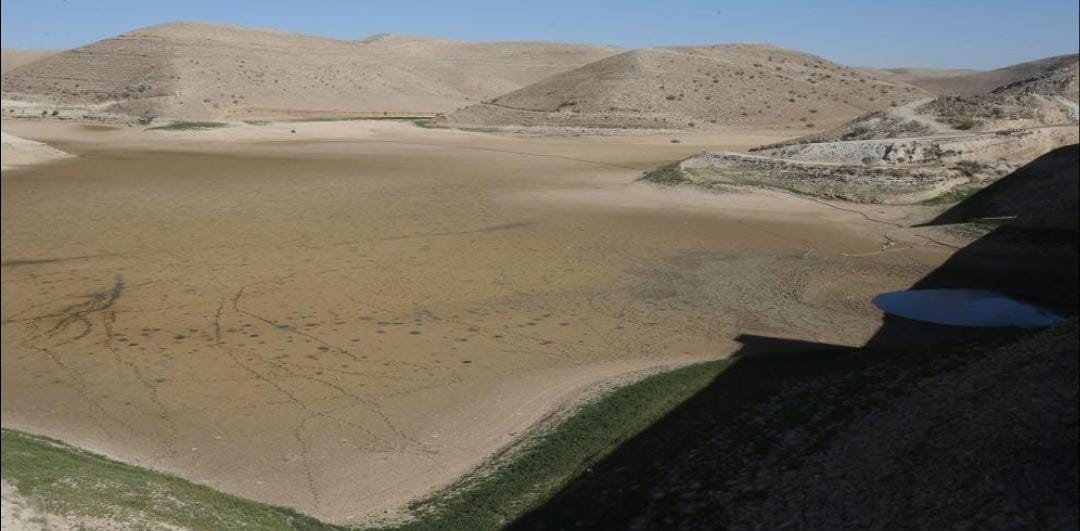
The report clarified that hydrological indicators showed a remarkable deterioration in many countries, as groundwater is being extracted at rates that exceed nature's ability to replenish it.
He pointed out that Iran loses approximately 1.7 billion cubic meters of groundwater annually, according to national estimates that the Joint Research Center's analysis relied upon.
In Central Asia, countries like Turkmenistan and Uzbekistan rely heavily on transboundary rivers, making water resource management more susceptible to regional tensions and the impacts of climate change.
In the Horn of Africa, increasing reliance on irregular rainy seasons has led to greater fragility in pastoral systems, while Copernicus Emergency Management Service satellite data showed temperatures rising by up to 2.5°C above average in March 2026 in some Central Asian regions.
Alleviating agricultural and food crises
The report documented the direct impacts of the drought on the agricultural sector, noting that sorghum production in Somalia has declined by approximately 40% in recent years.
As the “Deir” season in January 2026 witnessed the failure of most crops in arid and semi-arid regions, this increased the pressure on rural families.
In Ethiopia, agricultural crop losses have exceeded half of production in some areas, prompting authorities to activate early warning systems.
In Kenya, the report estimated that approximately 1.8 million people are at risk of food insecurity in arid and semi-arid areas.
In Afghanistan, approximately 3.4 million people were affected by drought in 2025, while agricultural systems continue to face ongoing losses due to erratic rainfall and soil degradation.
The humanitarian response remains under pressure.
Despite the broad scope of the crisis, the report emphasized that humanitarian responses remain necessary, but are insufficient to address the cumulative effects of five consecutive years of water scarcity.
He pointed out that the European Union has allocated 63 million euros in humanitarian aid for Somalia in 2026, in addition to 79.4 million euros for Ethiopia in 2025. This aid focused on providing food and emergency humanitarian interventions.
However, experts have confirmed that these interventions are still focused on addressing the current crisis, while the water crisis has become a long-term structural issue.
The Joint Research Center stressed the importance of adopting long-term strategies for water resource management, including updating irrigation systems, enhancing cross-border cooperation, and investing in early warning systems for climate change.
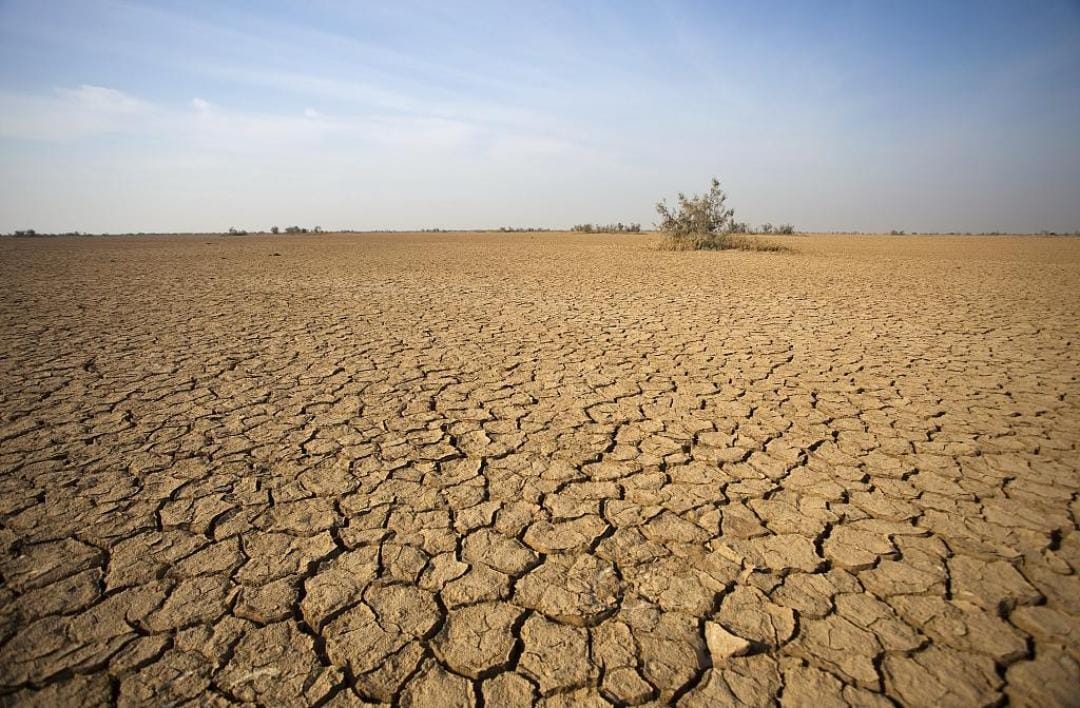
Towards a New Geopolitics of Water and Climate
The report saw successive drought waves as reflecting a profound reshaping of regional balances, amid the interplay of factors such as population growth, heavy reliance on agriculture, and increasing climate pressures.
He explained that water has become a key element in achieving stability or causing instability within these regions.
He added that East Africa and the Middle East have become an interconnected water system under increasing pressure, at a time when political borders no longer align with the geographical nature of river basins.
The report stressed that this reality necessitates strengthening cooperation between countries, accelerating adaptation measures to climate change, and developing agricultural and economic models in line with the new variables.
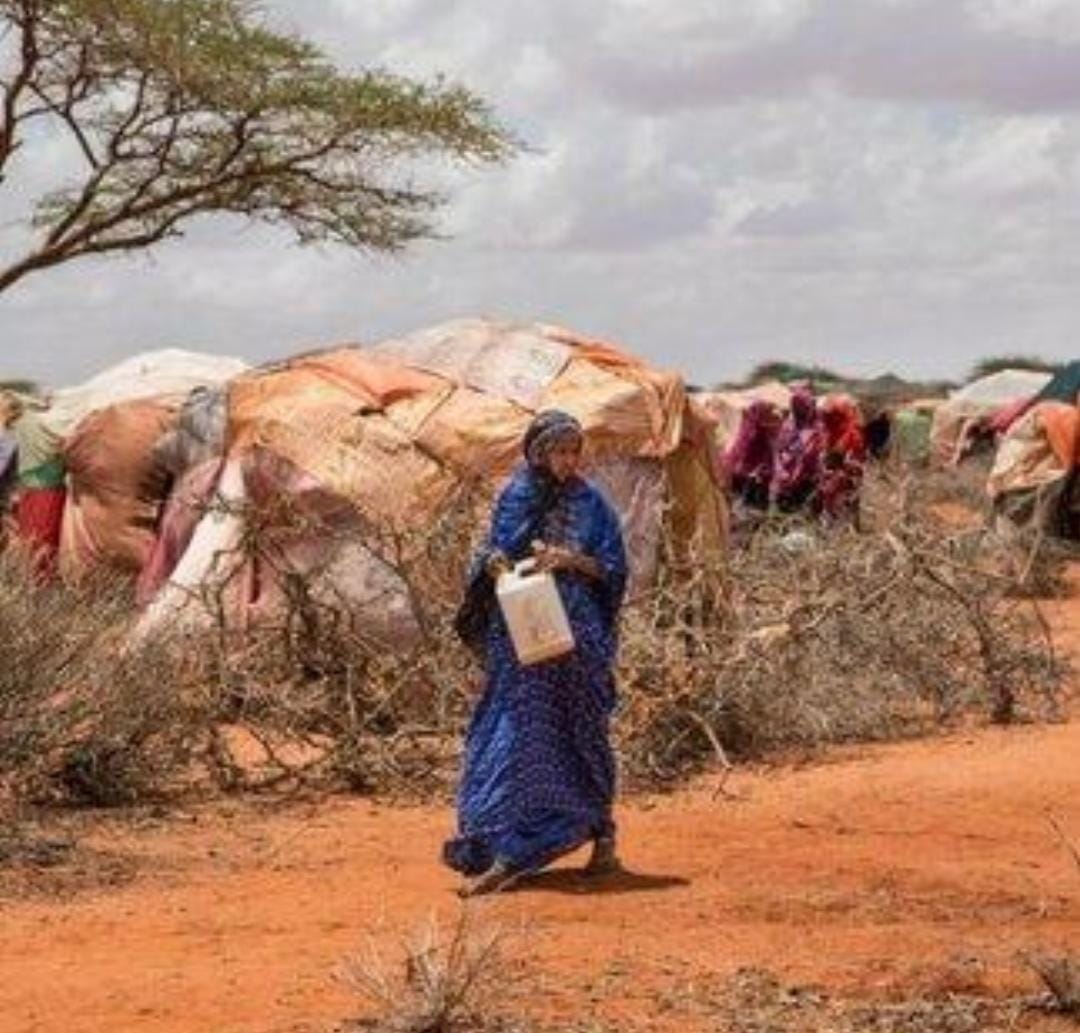
The report concluded by noting that, despite some expected improvement in 2026 according to seasonal models issued by the Copernicus Climate Change Service, the cumulative impacts of the past five years will continue to directly affect the region's food and water systems. It emphasized that drought is no longer an exceptional event but has become a structural reality that is imposing itself on the region's development trajectory.