Islam Mubarak to Zoom Africa News: Art is capable of breaking down stereotypes about Africa (Interview)
The Sudanese artist speaks about breaking stereotypes and the role of art in bringing people closer together.
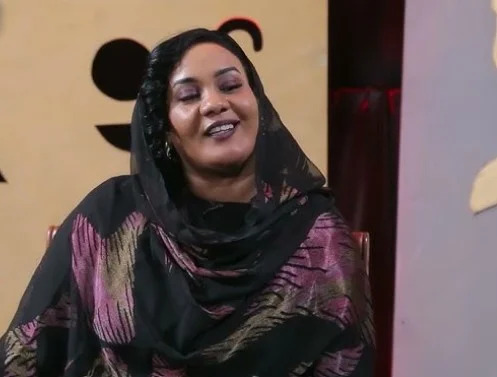
Interview by: Mohammed Omran
At a time when attention is turning towards rediscovery African identity In art and drama, Sudanese artist Islam Mubarak stands out as one of the voices that believes that the screen is not just a means of entertainment, but a platform for correcting stereotypes and highlighting the cultural and human diversity that abounds in the continent. Through her works, she seeks to present the African person as he is; with his dreams, challenges and stories that deserve to be told far from reduction and marginalization.
Islam Mubarak: Art is capable of dismantling stereotypes about Africa
In an exclusive interview with Zoom Africa News, Islam Mubarak talks about her experience in portraying African characters, the behind-the-scenes preparations for her roles, and her vision for the future presence of the continent in Arab drama and cinema. She also reveals the importance of soft power in promoting rapprochement between peoples, and her dream of participating in joint productions that reflect the richness and diversity of Africa, stressing that art remains one of the strongest bridges capable of uniting hearts and transcending borders.
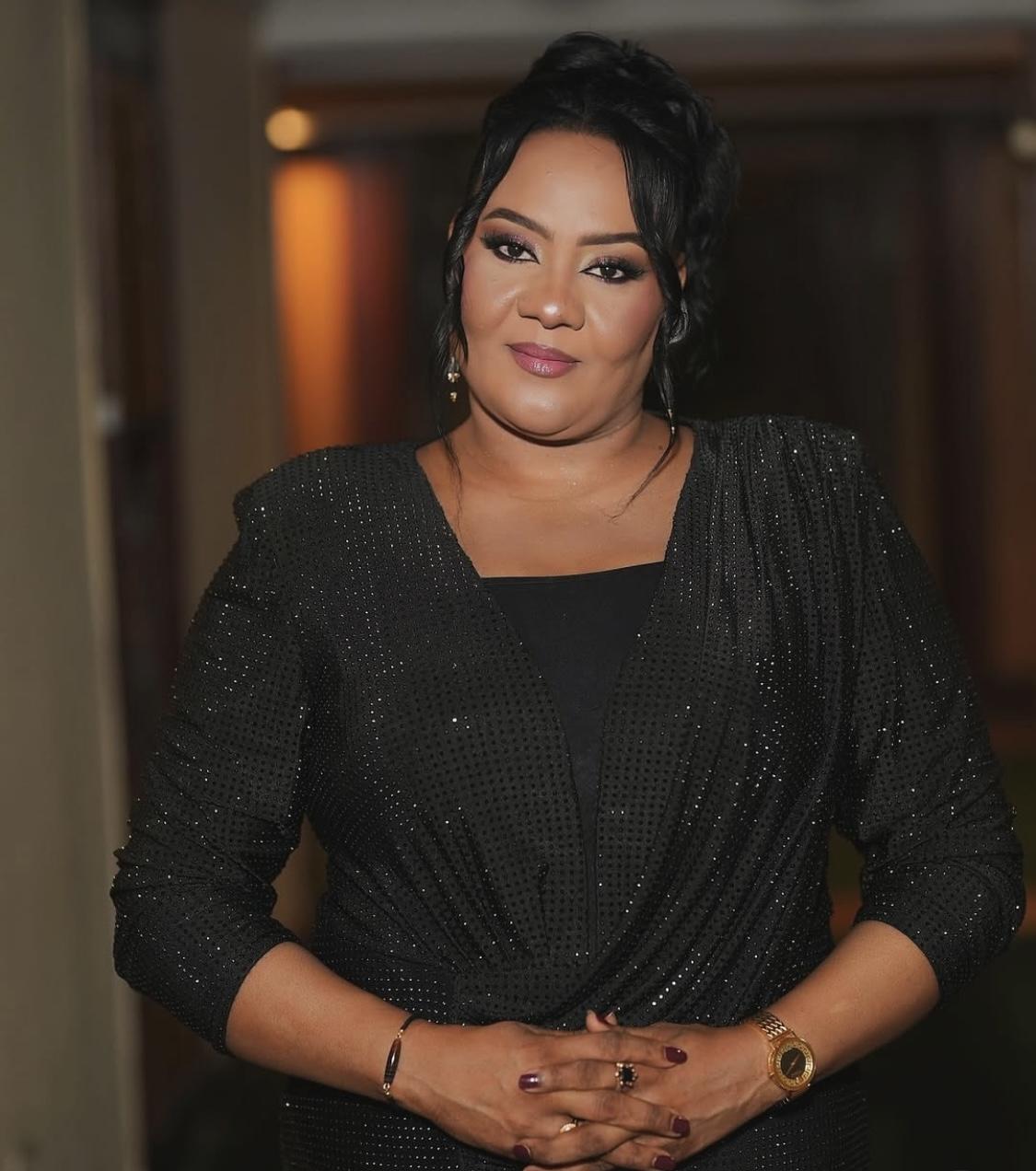
The Sudanese artist talks about the behind-the-scenes details of portraying the African character.
To begin with, how did you prepare yourself psychologically and artistically to portray an African character? And what were the most prominent challenges you faced while preparing for the role?
The first thing I did was clear my head of any preconceived image of any character I had seen before. African women are not a single copy; they are human beings with their own unique details. Artistically, I worked on the character realistically, and on the story of this woman herself. The biggest challenge was how to present her authentically, without exaggerating or oversimplifying her. I wanted people to see a real woman, not just an idea.
Did you study the culture, dialect, or customs of the African country or character you portrayed in order to make the role appear realistic?
Any role I need to study well, I used to ask myself what I eat? How I feel happy? When I get sad? What scares me? And I read a lot about people’s daily lives in this time and place. Honesty comes from the small details that we sometimes ignore.

In your opinion, what is the importance of having diverse African characters within Egyptian and Arab drama and cinema?
It is very important because we are Africans, and Egypt is part of Africa, and our stories are interconnected. When we present different African characters, we break the single image that others have drawn for us, and we show that Africa is not just desert and wars, it has cities, art, love and people’s stories. This makes us understand each other better.
How do you see the development of the presence of African actors and stories in artistic works in recent years?
In a clear development, there is now greater courage from producers and directors to involve black and African actors in leading roles, not just as extras. Also, the stories have become deeper and closer to reality. The journey is still long, but the beginning is promising, and the Luxor African Film Festival is a big step in the right direction.
Do you believe that art can be a bridge to promote rapprochement between Arab and African peoples?
Of course, art is the strongest soft power we have. When an Egyptian watches a Sudanese film and cries with it, or a Sudanese watches an Egyptian series and feels that this is his story, the walls between people fall away, and art shows us that our pain is one and our dream is one, and this is a bridge that is difficult to break.

What were the most pleasing reactions you received after playing this African role?
I am African, and when a girl from your geographical area sends you a message saying, “When I saw you, I felt like I was seeing myself on the screen and I felt like I existed,” that alone made me feel that all the hardship had meaning. It was a big moment for me.
Would you welcome participating in joint production projects between Egypt and African countries in the coming period?
I am very happy and this is actually my dream. Joint production is the future, because it mixes experiences and cultures and opens up new markets. I want to participate in many joint films, because there are many stories between us that have not yet been told in the right way.
From your point of view, what is lacking in the film or drama industry to present Africa in a deeper and more realistic way?
Firstly, writing requires writers who research and live with people before writing about them. Secondly, the courage of production means the producer must believe that the African story is capable of reaching the public. Thirdly, cultural and artistic exchange is needed, and we should bring in directors and actors from the heart of Africa, not just some African who memorizes a couple of words.

Are there any African artists or acting schools that have influenced you or whose work you follow?
I follow Senegalese cinema closely, especially the work of Ousmane Sembène, because he is considered the father of African cinema. I also like the work of Geneviève Nnadji, and in Sudan, the school of Tayeb Siddiq in theater influenced me from when I was young.
What message would you like to convey to the African audience through this work?
My message is that your story is important, and your voice must be heard. We are not a footnote in the story of the world. Our history, our present, and our future deserve to be told by our own hand and our own voice, not by someone else's.
How do you see the role of Egyptian soft power in supporting cultural and artistic relations with the African continent?
Egypt has a long history of soft power, from Umm Kulthum to Naguib Mahfouz, and its role now is to be a bridge for communication. Festivals, grants, joint productions, and hosting African artists are all important tools, and when Egypt opens its door, all of Africa listens, and this is a great responsibility.
If you were offered a new job in an African country, what kind of character would you like to portray?
I wish to present the biography of a real African woman who changed her society. She could be a fighter, a scientist, an artist, or even an ordinary mother who performed a miracle in her home. I want to talk about the daily acts of heroism that take place every day and are not written about.
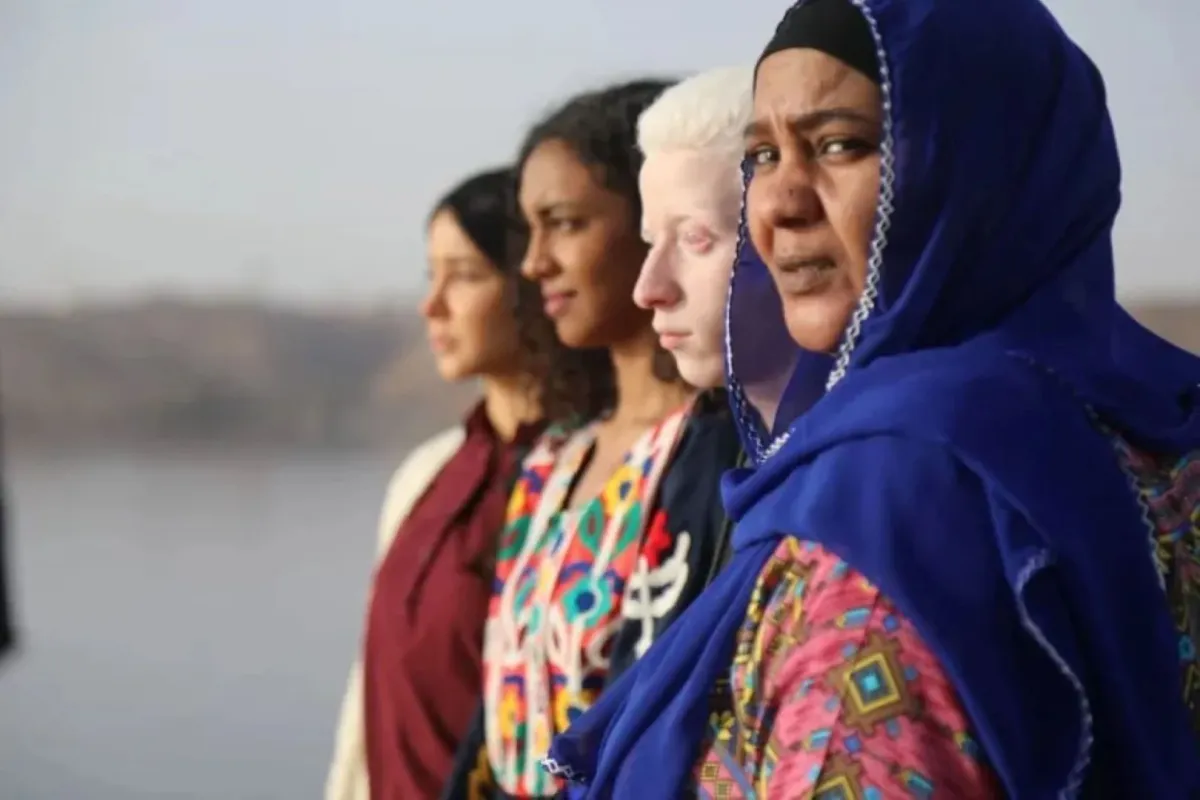
A message to the African and Egyptian public at the conclusion of the dialogue?
To the African public, I am proud to be one of you, and I promise you that our voice will remain loud through art.
And to the Egyptian audience, we are one thing. When we open our hearts to each other's stories, we all grow. And wait for what's coming, because the story is still in its early stages. Thank you for your love and support.