Continued provocation: Somaliland describes Ethiopia as its closest ally
The port of Berbera is back in the spotlight as discussions about Ethiopia's maritime needs resurface.
Written by: Badr Ahmed
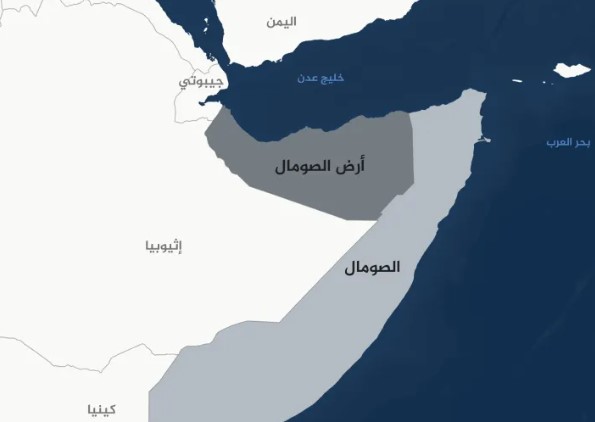
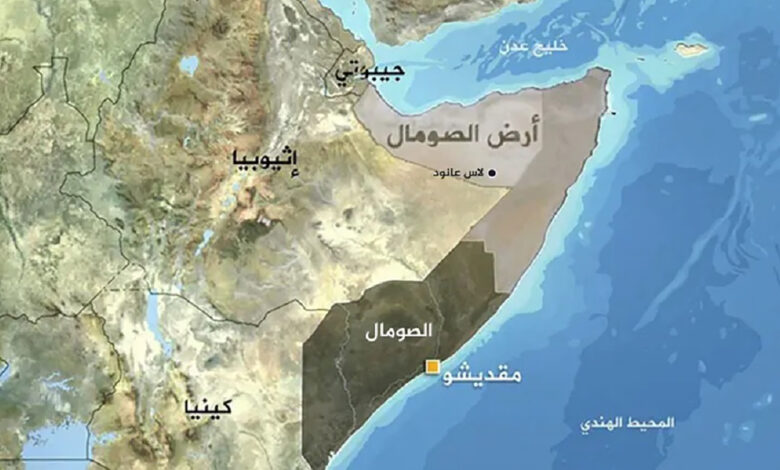
In a new phase of ongoing provocations by the self-proclaimed Somaliland region towards the countries bordering the Red Sea, the Minister of Foreign Affairs and International Cooperation of the self-proclaimed Somaliland region, Abdirahman Dahir Adam Bekale, affirmed his government's readiness to discuss Ethiopia's needs related to obtaining a sea outlet or using commercial ports, stressing that relations between the two sides are based on historical ties and growing common interests.
In an interview with the Ethiopian newspaper The Reporter, the minister said that Somaliland fully understands Ethiopia’s need, as a landlocked country, to access sea lanes and ports that contribute to supporting its trade and economic development, stressing Hargeisa’s readiness for dialogue on this issue.
The port of Berbera is back in the spotlight as discussions about Ethiopia's maritime needs resurface.
He added that his country views Ethiopia as its closest friend and ally in the Horn of Africa region, noting that cooperation between the two sides is witnessing continuous development in various political, economic and security fields.
Bakal explained that the port of Berbera and the trade corridor linking Somaliland and Ethiopia are still available for full use by the Ethiopian side, noting that the port’s operational capacity has not yet been fully utilized, which provides additional opportunities to enhance economic and trade cooperation between the two sides.
Regarding the memorandum of understanding signed by Somaliland and Ethiopia in January 2024, the minister affirmed that the government of President Abdirahman Mohamed Abdullahi Irro has not made any changes to its approach towards Addis Ababa, and that it remains open to any dialogue or understandings that serve the common interests of both parties.
The minister also expressed hope that Ethiopia would eventually recognize Somaliland, while emphasizing that his government had not exerted any pressure on Addis Ababa in this regard. He explained that Somaliland sees itself as a stable and reliable partner in the region, and that its security and political stability is a crucial factor in strengthening regional cooperation.
Bakal emphasized that Somaliland does not host foreign forces on its territory, noting that its border with Ethiopia is among the most stable and secure in the Horn of Africa region.
In closing, he called on the African Union and the countries of the region to pay greater attention to the issue of Somaliland, stressing that the stability and effective institutions achieved on the ground deserve more regional and international cooperation and engagement.