Border measures: Why is Canada tightening restrictions on the Democratic Republic of Congo?
To confront the threat of Ebola
Written by Amna Hassan
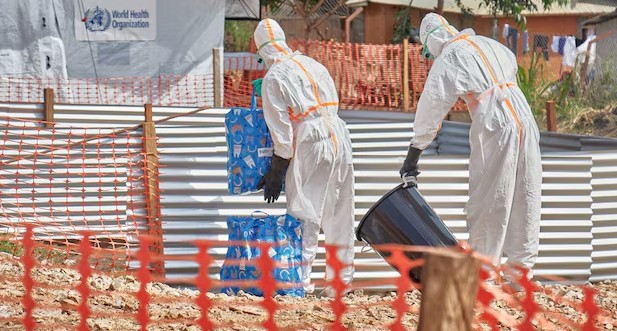
In a move reflecting growing international concerns about the spread of the Ebola virus, the Canadian government announced stricter travel measures imposed on the Democratic Republic of Congo, making it the only African country to face more stringent measures under Ottawa’s new policy to protect its borders and prevent transmission.
This move comes weeks after temporary restrictions were imposed on several African countries, amid the continued spread of the virus and growing global concern about its transmission through international travel, especially with rising mobility rates around the world.
Entry is prohibited for those arriving from the Democratic Republic of Congo.
The Canadian government explained that the new measures came into effect on July 20, 2026, and stipulate that any foreign national who has visited the Democratic Republic of Congo during the previous 21 days will be barred from entering Canadian territory.
Authorities confirmed that the decision is part of a package of temporary border measures aimed at reducing the risk of Ebola transmission and enhancing the ability of border crossings to handle travelers safely, including returning Canadian humanitarian workers.
Extension of previous restrictions on three African countries
Last May, Canada imposed temporary restrictions that included the Democratic Republic of Congo, Uganda, and South Sudan, suspending the issuance of temporary resident visas, electronic travel permits, and some permanent residency applications for 90 days.
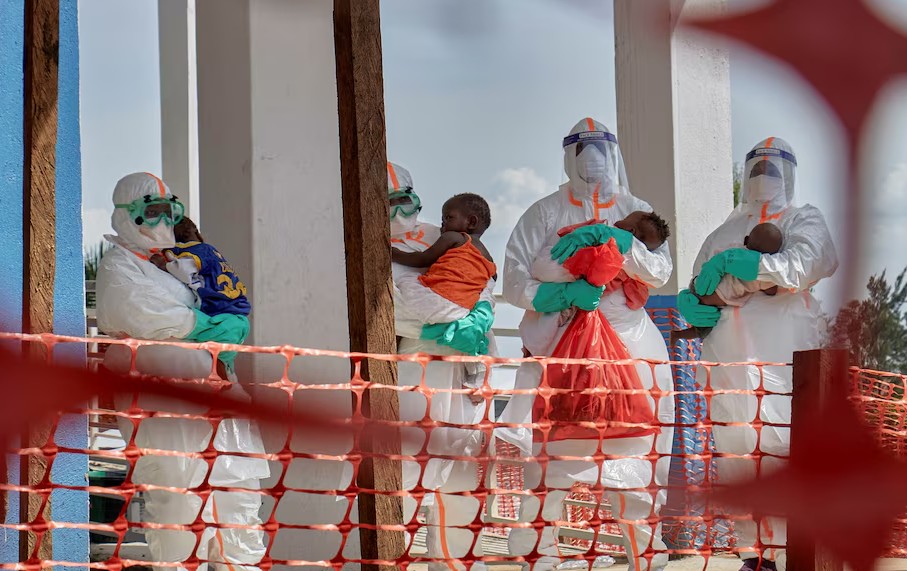
The measures also included halting the processing of new immigration applications submitted by citizens of the three countries for the duration of the decision, while prohibiting the use of travel permits previously issued during the suspension period.
International efforts to contain the spread of the virus
Canada is not the only country taking precautionary measures, as the United States has already imposed similar restrictions on travelers coming from countries most affected by Ebola, and the Bahamas has announced strict health controls and additional screening protocols for those arriving from affected areas.
In the same context, last June Washington called on European countries to tighten travel procedures related to countries experiencing an Ebola outbreak, considering that international cooperation has become an urgent necessity to prevent the spread of the disease across borders, especially with expectations of increased global travel coinciding with the hosting of the 2026 World Cup.
Public health is a top priority for governments
The Canadian measures reflect a growing trend among governments to tighten health controls at borders as a means of limiting the spread of transboundary diseases. While Ottawa emphasizes that the measures are temporary and contingent on the evolving epidemiological situation, they highlight the significant challenges countries face in balancing public health protection with the continued flow of international travel.