Power outage affecting millions of Algerians... What happened last night?
Written by: Ayman Ragab
Algeria experienced a complete power outage on Tuesday night into Wednesday, causing major disruptions for residents. According to authorities, the outage was due to an exceptional technical malfunction at the Sidi Okba substation, while the current heat wave, in which temperatures reached 48 degrees Celsius, is believed to be the reason behind the shutdown of this station in the southeast of the country.
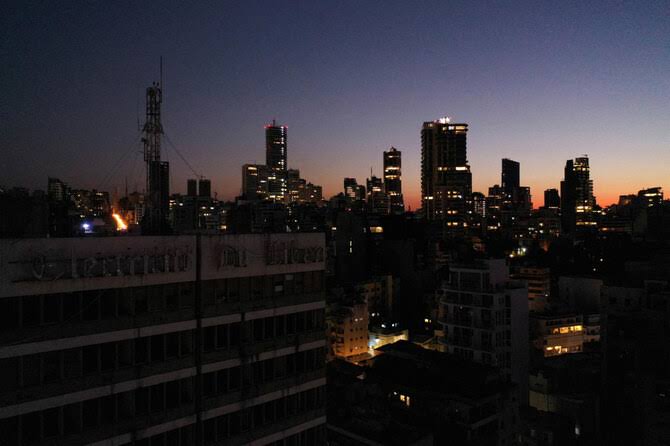
From Algiers to Constantine, passing through Tizi Ouzou, Bouira, and Jijel, the electricity suddenly went out, plunging millions of Algerians, already suffering from scorching temperatures, into complete darkness. The communications blackout only exacerbated the anxiety.
It was only later, in the face of the scale of the power outage and the concerns of citizens, that the authorities announced that this interruption in the distribution of electricity was the result of an exceptional technical malfunction that occurred at the level of the electrical installations in Sidi Okba, in the Biskra region.
Khalil Hadna, communications officer at the Algerian Ministry of Energy, explained that ”the intense heat wave that swept across a large part of the country, in addition to the high humidity, caused a technical malfunction in a major electrical facility in the Sidi Okba area, in the province of Biskra. This malfunction led to a series of fluctuations in the electricity grid, due to its interconnection, which affected certain parts of eastern Algeria.“.
The explanations contradict the widespread power outage.
However, these explanations contradict the widespread power outage outside eastern Algeria, which affected most of the country. In this regard, the ministry's communications official explained that the other outages recorded on the network were unrelated to the Sidi Okba outage, but rather due to "other local causes stemming from extremely high temperatures.".
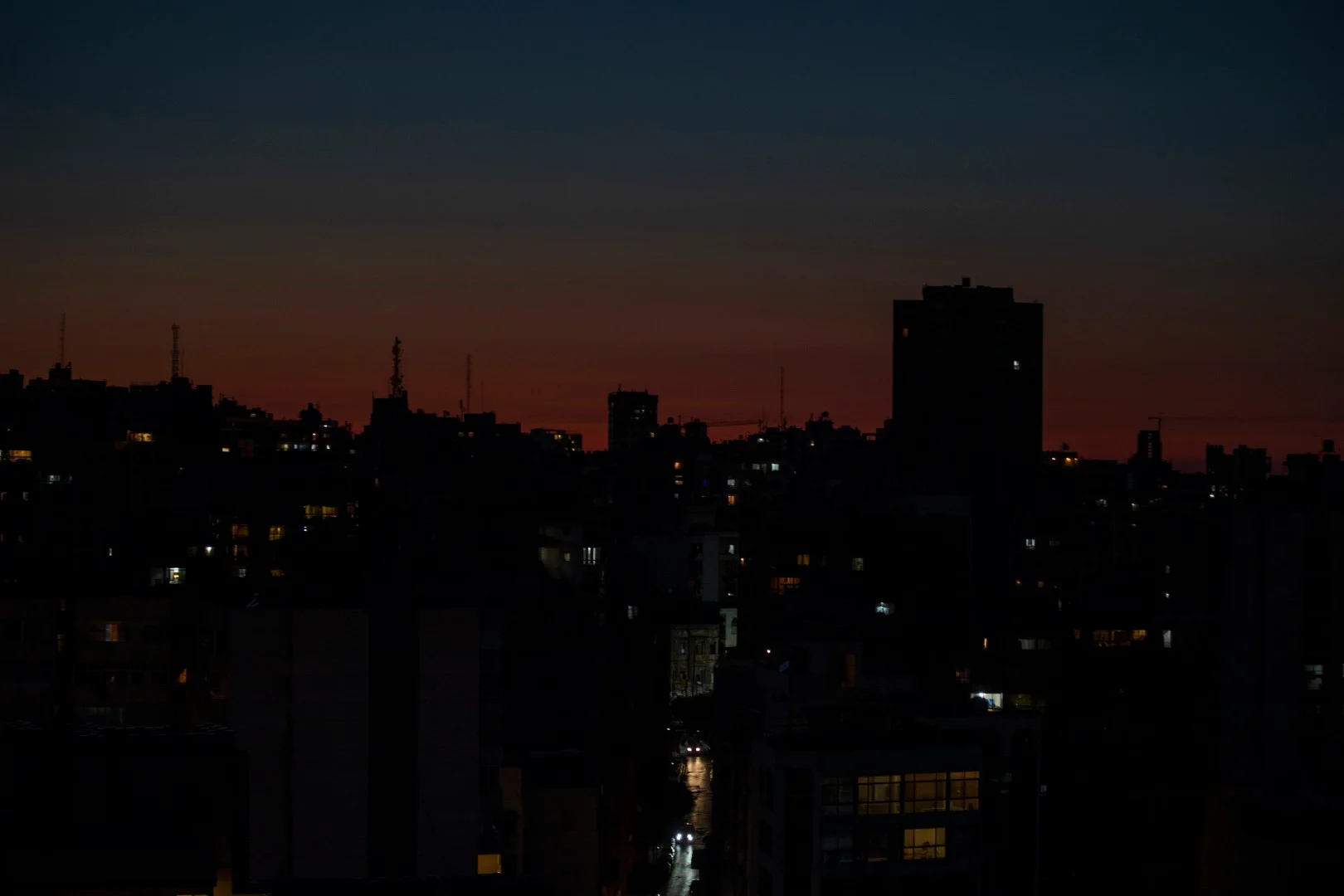
As a result, the widespread power outages caused considerable concern among Algerians, who found themselves without electricity amidst a severe heatwave. Furthermore, these outages also impacted economic sectors and disrupted drinking water supply networks in several regions.
Given the seriousness of the situation, a crisis cell was activated, and Prime Minister Sifi Ghrib, Minister of Energy and New Energies Mourad Adjal, Presidential Advisor for Communications Kamel Sidi Said, and CEO of Sonelgaz Djelloul Rebouh were ordered to proceed to the National Electricity Grid Control Center in Algiers. This high-level presence of government officials underscores the exceptional and critical nature of the nationwide power outage.
The widespread power outage prompted a mobilization of teams from Sonelgaz, the state-owned electricity company responsible for production, distribution, and sales, enabling the gradual restoration of power to various regions. These teams helped mitigate the impact of the incident, which occurred amidst alarmingly high temperatures.
Gradual return of electricity to some areas
The National Meteorological Office has issued a level three heatwave alert for the provinces of Skikda, Annaba, El Tarf, Guelma, Bejaia, and Jijel, where temperatures are expected to exceed 48 degrees Celsius. This heatwave is expected to last from July 16 to 17.

After Sonelgaz mobilized all its resources, a gradual return of electricity was observed in some areas overnight, including Algiers, Bouira, and Ghardaia. In other areas, the process of restoring power, which had already begun, continues gradually.
”It was a small exercise that proved that Algeria is capable of overcoming all challenges,“ declared Prime Minister Sifi Gharib at the start of the restoration of electricity distribution to the Algerian grid, before adding that while other countries would have taken up to 48 hours to fix such a power outage, Algeria managed to solve the problem before dawn, in just a few hours!
However, the frequent power outages and disruptions to Algeria's electricity grid cannot be explained solely by the heatwave sweeping the country. While the high temperatures have led to increased energy consumption, reportedly reaching a record high of 21,378 megawatts, this does not justify the power cuts.
In fact, the official report describes the beginning of the power outage, but it does not specify its technical nature. In other words, neither the authorities nor Sonelgaz mentioned anything about the equipment (transformer, transmission line, electrical substation, etc.) in Sidi Okba that allegedly malfunctioned.
A large part of the electrical grid relies on fragile infrastructure.
Furthermore, one question remains unanswered: electrical power transmission networks are designed according to the N-1 standard, which stipulates that the failure of a single facility should not trigger a chain reaction of failures. How then do we explain that an incident at one facility caused a nationwide blackout lasting six consecutive hours?
This serious incident, in fact, demonstrates once again the vulnerability of Sonelgaz's energy infrastructure to climate change and its consequences. Therefore, the Sidi Okba Dam, a strategic facility in the Algerian electricity grid, deserves greater attention to prevent the recurrence of such incidents.
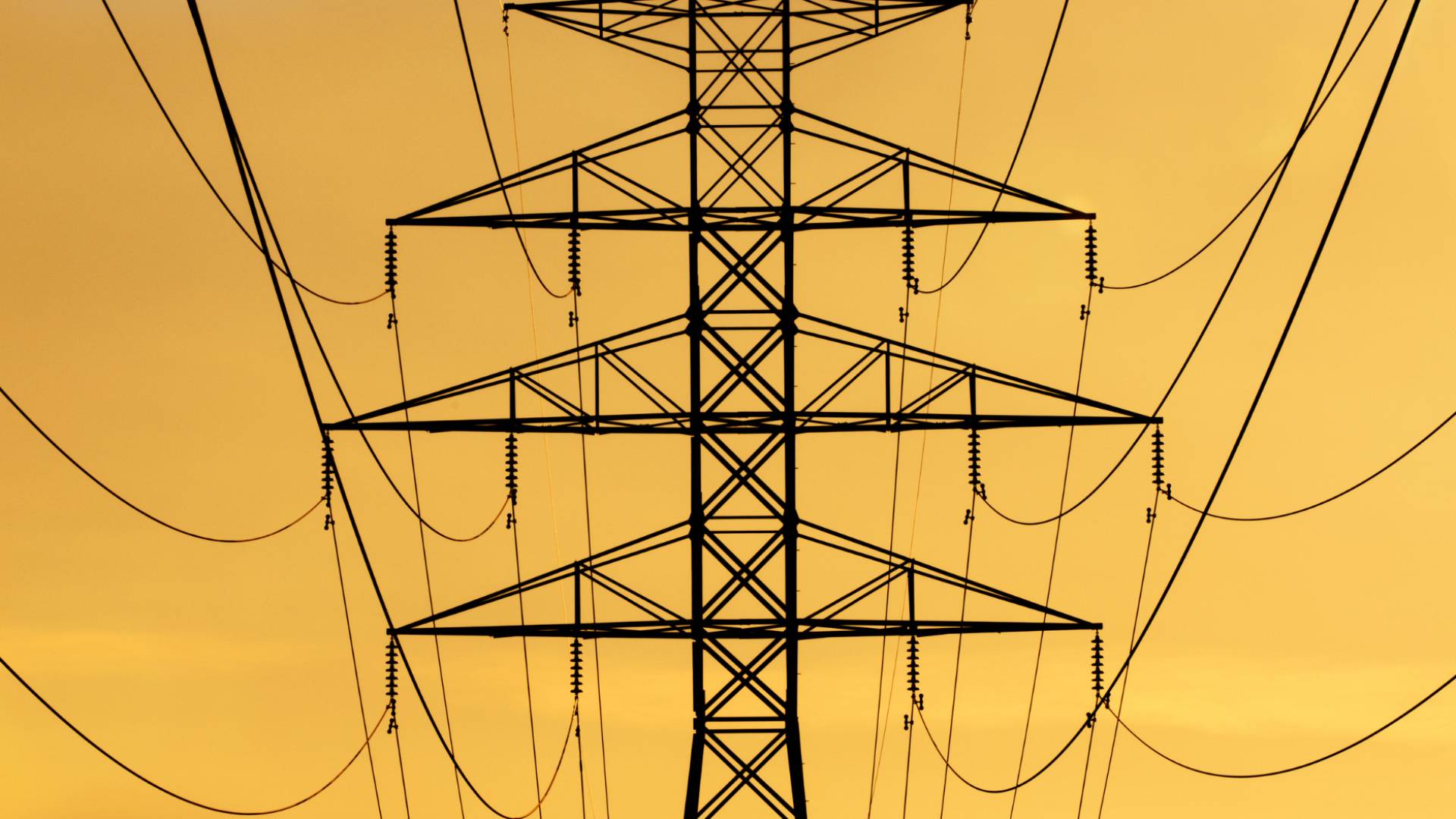
Furthermore, this power outage demonstrates the negative impact of a large part of the electrical grid relying on a fragile infrastructure located in a region characterized by an exceptionally hot and humid climate.
Finally, while the Algerian authorities claim to have made huge investments in recent years to ensure electricity supplies for all Algerians, the impact of the power outage in Sidi Okba demonstrates the limits of these massive investments.
Despite these investments, Algeria's outdated electricity transmission and distribution network remains a major challenge. This results in frequent power outages, voltage fluctuations, and widespread accidents, particularly during heat waves when demand spikes, as was the case during last night's power cut.