Trump's statements on Iran push the South African rand to a weekly low
Written by Ziad Abdel Fattah:
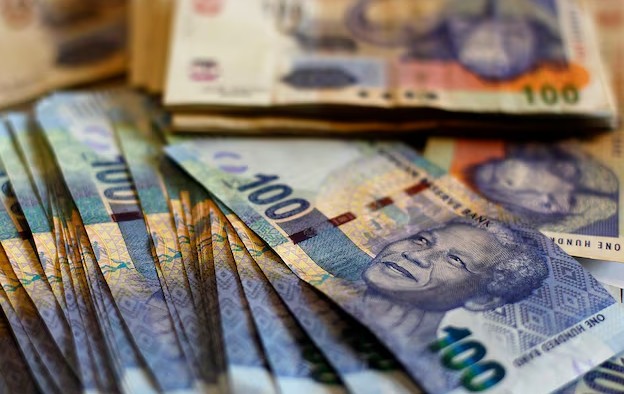
The South African rand has fallen to its lowest Its levels On Wednesday, during the week, influenced by escalating geopolitical tensions in the Middle East following US President Donald Trump's statements regarding the end of the interim peace agreement with Iran, investors reduced their appetite for high-risk assets, increasing pressure on emerging market currencies.
The South African rand fell to 16.3850 against the U.S. dollar, down about 0.5% from the previous session’s close, in a move consistent with losses in a number of emerging-market currencies.
US dollar stability against currencies
In contrast, the U.S. dollar remained stable against a basket of major currencies, while oil prices rose by more than 5% to reach their highest levels in two weeks, driven by growing concerns that tensions in the region could escalate.
Market movements came after the Iranian Revolutionary Guard announced targeting American military sites in Bahrain and Kuwait, following the military strikes carried out by the United States against targets inside Iran, in response to attacks that targeted oil tankers in the Strait of Hormuz.
Analysts believe that the South African rand, as a currency highly sensitive to global risk appetite fluctuations, will remain tied to developments in the Middle East, as well as the minutes of the US Federal Reserve's meeting, due to its direct impact on global market movements.
South Africa faces a dual pressure
Andre Cilliers, currency strategist at TreasuryONE, said South Africa faces dual pressures as a net importer of oil, with rising crude prices leading to imported inflation, while at the same time, investor risk appetite is declining, which negatively impacts the performance of the local currency.
In the financial markets, the index of the 40 largest companies listed on the Johannesburg Stock Exchange fell by 1.3%, while prices of South African government bonds maturing in 2035 fell, pushing yields up by 7.5 basis points to 8.305%, signaling increased pressure on domestic assets.