Nigeria.. Investments in the energy sector top priorities
Written by: Ayman Ragab
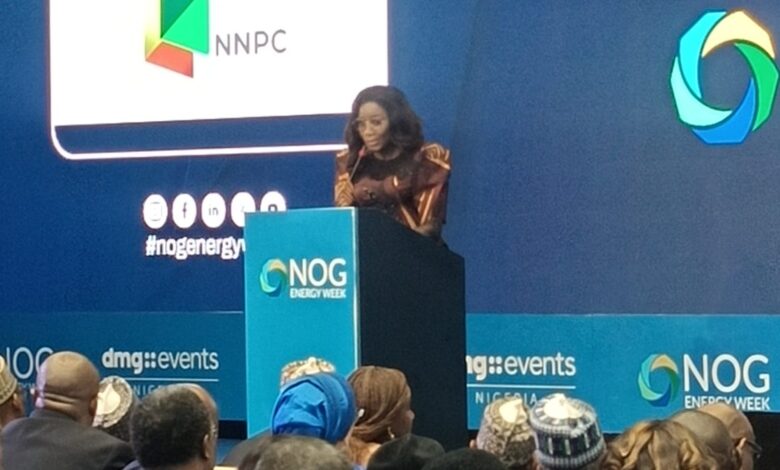
The Special Adviser to the Nigerian President on Energy, Olu Verheijen, stated that Nigeria is now focused on translating ongoing reforms into investments, increasing energy production, job opportunities, and sustainable economic growth.
In her speech during the 25th Nigerian Oil and Gas Industry Energy Week in Abuja, Verheijen stated that the progress in the Nigerian energy sector is a product of coordinated efforts by the administration of President Bola Tinubu, state governments, regulatory bodies, the Nigerian National Petroleum Company (NNPC) Limited, and investors and workers across the oil and gas value chain.
According to her, the achievements made so far should not be attributed to any single individual, but rather to a broad coalition of public and private sector stakeholders driving reforms in the industry.
Teamwork
She said, “We say “we” intentionally because this record belongs to a team, not just me. It belongs to the president who sets the direction; the state governments; the ministers; the regulators; the national oil company; the government agencies; the operators; the investors; and the civil servants and workers at all stages of the value chain,” according to the “African News Agency.”.
As Verhagen also acknowledged the sacrifices made by Nigerians during the reform process, stating that citizens have a legitimate expectation that the changes being implemented should translate into improved living conditions, job opportunities, and economic relief.
And it acknowledged that significant challenges remain, including inflation, affordability, lack of infrastructure, security concerns, and the need for faster implementation of reforms.
“We haven't finished the job yet. There is no serious reformer who says the task is over. Inflation, affordability, security, infrastructure, and implementation still require urgent solutions,” she said.
However, she argued that the existence of these challenges should not be interpreted as evidence of the reform program's failure.
She said, “No one should confuse unfinished work with failed work,” describing the current period as one in which Nigeria has chosen temporary hardships in pursuit of long-term national progress.
Improve investor confidence
Verheijen explained that the true measure of reforms should be reflected in improved investor confidence, increased hydrocarbon production, efforts to resolve the energy sector's debt burden, and the growing recognition of natural gas as vital industrial infrastructure rather than merely an export commodity.
It urged stakeholders to assess management's performance based on measurable outcomes, including whether Nigeria has become a more credible investment destination and whether capital is returning to the country's energy sector.
“The era of Nigerian hesitation is over. We are now in the era of Nigerian ambition,” she declared.
According to her, Nigeria's urgent priority is to translate reforms into tangible benefits by attracting capital, accelerating project implementation, creating jobs, and using the energy sector as a driver for national development.
Verhagen said history will judge the current generation not by the abundance of Nigeria's natural resources, but by its ability to transform those resources into widespread prosperity.

It noted that while the first 25 years of the Nigerian Energy Forum have helped build consensus on the future of Nigeria's energy industry, the next phase should be defined by implementation and measurable outcomes.
Verhagen added, “The first 25 years of the NOG Energy Week have helped us build consensus. The next 25 years must focus on implementation.”.