The South African rand is nearing its lowest level in two weeks.
Amid anticipation of US mining and inflation data
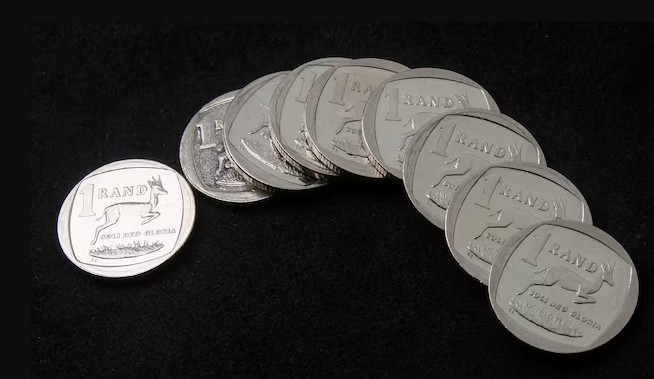
Written by Ziad Abdel Fattah:
The South African rand experienced fluctuations during trading. TuesdayInfluenced by the state of anticipation that prevails in global markets ahead of the release of mining production data in South Africa, along with US inflation data, which is one of the most prominent indicators affecting the direction of US monetary policy.
The rand settled at 16.4575 against the US dollar, close to its previous closing level, continuing to trade near its lowest levels in more than two weeks.
Watch for mining production data during May
Statistics South Africa is expected to release mining production data for May today, which is an important indicator of the performance of Africa's largest economy.
Mining output had recorded annual growth of 8.2% during April, while economists polled by Reuters forecast growth would slow to around 1.5% in May.
In global markets, the US dollar declined slightly against a basket of currencies, as investors awaited the release of US inflation data and followed the Federal Reserve Chairman's testimony before Congress regarding the semi-annual monetary policy report, which may provide new indications about the path of interest rates in the coming period.
Traders also continued to monitor geopolitical developments in the Gulf region, following statements by US President Donald Trump in which he announced Washington’s intention to reimpose a blockade on Iranian shipping, in addition to imposing customs duties of 20% on goods passing through the Strait of Hormuz, which raised concerns about global trade and energy supplies.
In the same context, the South African government is considering restructuring the strategic fuel reserve system by requiring both the public and private sectors to maintain strategic stockpiles, with the aim of reducing the risk of supply disruptions in light of regional tensions.
In the bond market, South African government bonds maturing in 2035 fell during early trading, with the yield rising by 7.5 basis points to 8.42%, indicating increased pressure on sovereign debt instruments.