The El Niño phenomenon threatens an additional 49 million people with acute hunger by the end of 2027.
Central America and South Africa are the most affected.
Written by Ziad Abdel Fattah:
The UN World Food Programme warned United The El Niño climate phenomenon could exacerbate the global hunger crisis, with projections indicating that around 49 million more people could fall into acute food insecurity by the end of 2027 if the phenomenon continues with the expected strength.
There is an 81% probability of a very strong El Niño phenomenon.
The program explained in a report issued Wednesday that there is an 81% probability of a “very strong” El Niño event, with Pacific Ocean sea surface temperatures reaching their highest levels since at least 1982, potentially making it the strongest wave of its kind since 1950.
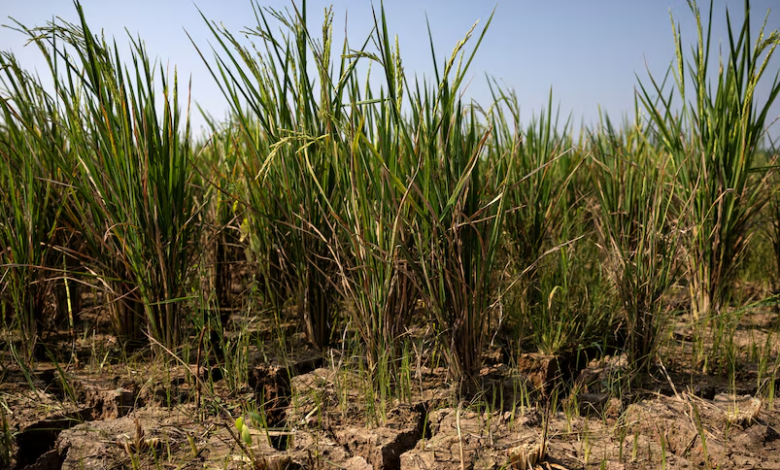
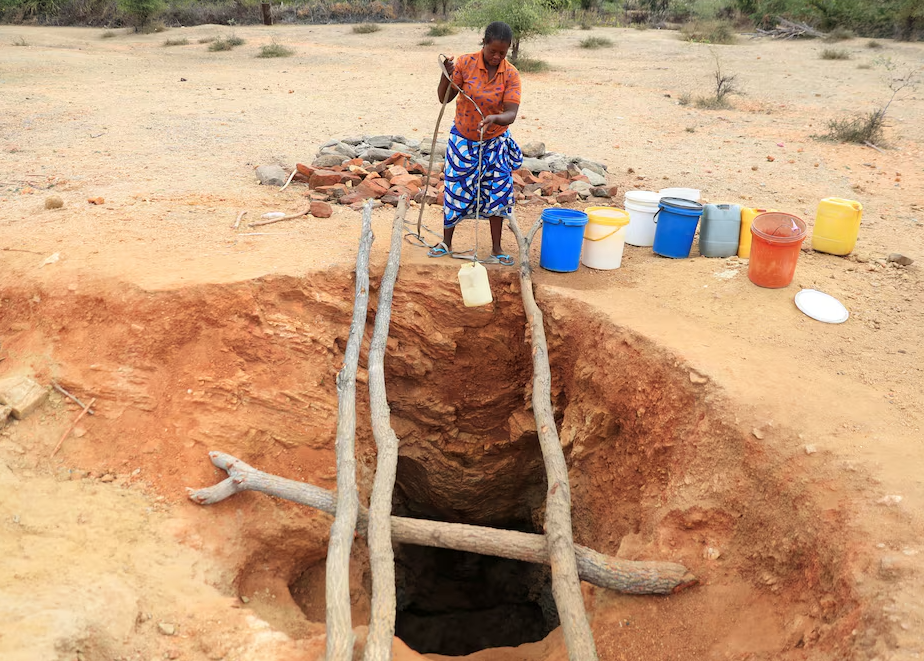
The El Niño phenomenon is one of the most prominent global climate phenomena, as it leads to an abnormal rise in the surface temperatures of the Pacific Ocean, which is reflected in weather patterns around the world, causing droughts, disruption of rainy seasons, and floods in different regions.
Jan Martin Bauer, director of the Food Security and Nutrition Analysis Department at the World Food Programme, said the phenomenon has caused widespread hunger crises in the past, warning that the same scenario could be repeated if proactive measures are not taken.
According to the report, the number of people suffering from acute food insecurity in 45 countries exposed to the effects of El Niño could rise to about 274 million people, an increase of 22% compared to current levels.
Central America and South Africa are the most affected.
The report indicated that Central America and South Africa would be among the most affected regions, with food insecurity rates expected to rise by approximately 831 TP3T in Central America and 751 TP3T in South Africa, with the potential for more than 12 million additional people to join the lists of those affected in South Africa, South America, and the Caribbean.
Although global food markets entered the El Niño period following a good harvest season in 2025, the program warned that continued geopolitical tensions, particularly in the Middle East, along with potential crop losses due to weather conditions, could push food prices higher and make it more difficult for the most vulnerable groups to access food.
The report also noted that declining funding from donors, particularly from the United States and Europe, negatively impacted the program's ability to monitor food security developments, as field data collection operations decreased during the current year due to funding constraints.
The World Food Programme confirmed that climate forecasts indicate a possible decrease in rainfall rates in parts of East Africa, the Sahel region, Central America and the Caribbean, compared to an increased risk of flooding in Somalia and some neighboring areas, in addition to widespread disruptions to the rainy seasons in South and Southeast Asia, which may affect agricultural production.
The program stressed the importance of early action and preparedness to face potential repercussions, explaining that it has expanded its proactive programs in 18 countries and provided cash and humanitarian assistance to more than 1.3 million people since the beginning of the year, with the aim of strengthening the ability of the most vulnerable communities to cope with the effects of extreme weather.