The G5 Sahel Alliance bids farewell to the International Criminal Court... A political step that raises concerns for international justice
Official procedures and withdrawal after one year
Written by Omnia Hassan
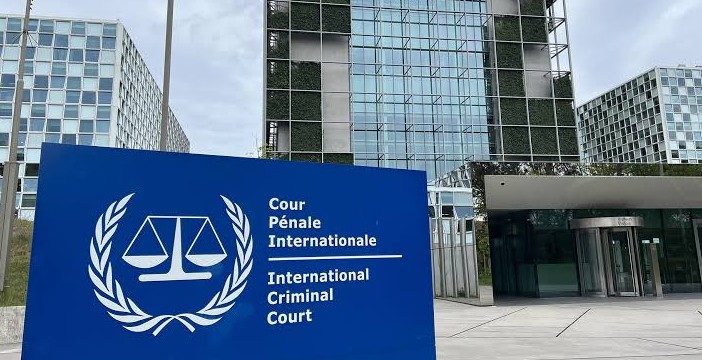
In a move that reflects the escalating tension between the military regimes in the Sahel region and international institutions, Mali, Niger, and Burkina Faso have officially begun withdrawal procedures from the International Criminal Court, a decision that opens the door to widespread questions about the future of international justice and the prosecution of war criminals in the region.
Official procedures and withdrawal after one year
The three countries deposited their withdrawal documents with the UN Secretary-General in June 2026, triggering the legal one-year notice period stipulated by the Rome Statute, after which the withdrawal will take effect.
This move comes in implementation of a previous declaration issued by the Sahel countries in September 2025, in which they described the International Criminal Court as “a new colonial tool,” affirming their determination to rely on local judicial mechanisms to address issues of justice and human rights.
Criticism of the court and human rights concerns
The military governments justified their decision by accusing the court of selectivity, politicization, and misuse, considering it no longer an impartial institution. In contrast, international human rights organizations, including Human Rights Watch, criticized the decision.
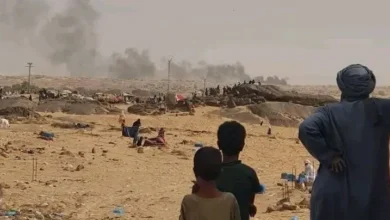
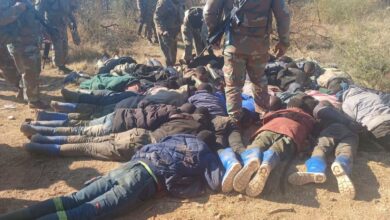
The government indicated that the three countries are ignoring growing international criticism regarding human rights violations committed by their security forces during clashes with armed groups.
Investigations are ongoing despite the withdrawal.
Despite the withdrawal procedures having begun, the International Criminal Court will retain its jurisdiction over cases relating to crimes committed before the decision takes effect. Furthermore, the three countries remain obligated to cooperate with the Court throughout the transitional year.
The court has been pursuing its investigations in Mali since 2013, issuing rulings in prominent cases, while arrest warrants against a number of leaders of armed groups remain outstanding.
Challenges to International Justice
Experts warn that the practical impact of withdrawal.
For its part, the International Criminal Court affirmed that the withdrawal of states threatens global efforts to combat impunity, while the Assembly of States Parties called on the governments of Mali, Niger, and Burkina Faso to reconsider their decision, noting that the door to backtracking remains open, as happened previously with countries that reversed similar decisions.
And between the Sahel governments' adherence to the option of judicial sovereignty and the international community's adherence to the principle of trans-border justice, the region remains before a new phase that may redraw its relationship with international justice institutions.