
The Democratic Republic of Congo is experiencing turmoil. Armed conflicts and climate disasters are pushing millions to the brink of danger.
A humanitarian crisis is worsening amid calls for international solidarity.
Written by Omnia Hassan
The Democratic Republic of the Congo is experiencing one of the most complex humanitarian crises on the African continent, where armed conflicts intersect with climate disasters, creating a tragic reality that threatens the lives of millions of residents.
According to the briefing note issued in March 2026 by the Ministry of Social Affairs, Humanitarian Action and National Solidarity, the country needs urgent national mobilization and international support to address the worsening crisis.
The Minister of State and Minister of Social Affairs, Humanitarian Action, and National Solidarity, Eve Bazaiba Masudi, confirmed that the scale of humanitarian challenges has exceeded the state's capacity alone, calling on the international community to strengthen humanitarian partnerships and provide necessary funding to protect the most affected civilians.
President: The crisis is not about numbers, but a moral responsibility
In his State of the Nation address on December 8, 2025, the President of the Democratic Republic of Congo emphasized that the humanitarian crisis “is not just statistics, but a moral imperative that calls for urgent action,” stressing that restoring hope to affected communities requires broad local and international solidarity.
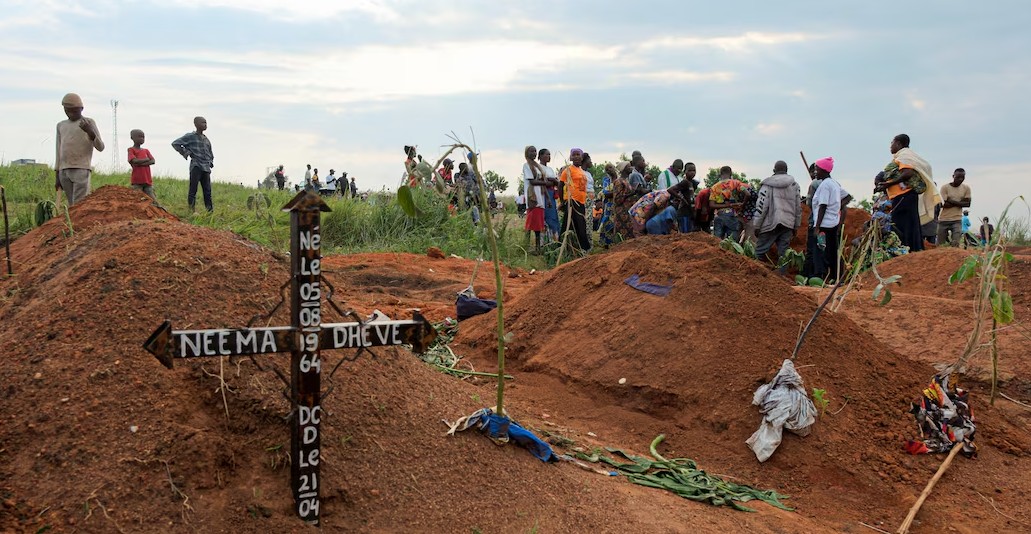
This statement reflects the extent of the suffering faced by displaced families, amid the ongoing violence and the increasing impact of climate change on vulnerable communities.
Armed conflicts are the leading cause of the disaster.
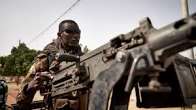
Official data indicate that approximately 60% of the causes of the humanitarian crisis are attributable to armed conflicts, particularly in the provinces of North Kivu, South Kivu, Ituri, and Tanganyika, where armed groups and intercommunal violence continue to force hundreds of thousands into displacement.
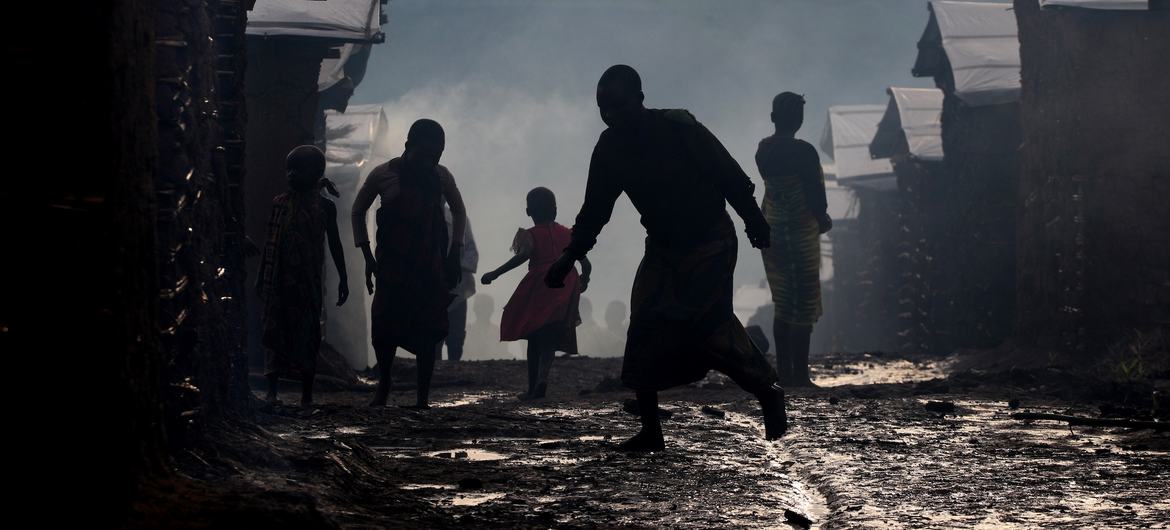
These conflicts have led to increased rates of sexual violence, the collapse of essential services, and worsening food and health needs, with children and women facing the greatest risks.
Climate change increases residents' suffering
In addition to conflicts, climate shocks account for about 15% of the causes of the crisis, after several regions, including Kinshasa, Ecuador, and Haut-Katanga, were hit by heavy rains and devastating floods that caused homes to collapse, destroyed crops, and left thousands of families without a source of income.
Humanitarian organizations warn that the continuation of extreme weather phenomena will increase rates of displacement, poverty, and food insecurity.
Urgent appeal to save millions
The Congolese government affirms that confronting this crisis requires genuine international solidarity, including increased humanitarian funding, support for relief and reconstruction efforts, and enhanced civilian protection.
It also emphasizes that investment in peace and sustainable development is the only way to end the cycle of crises and save millions of Congolese from an increasingly harsh future year after year.


 Arabic
  English
  French