Malik Agar: The man from the Blue Nile who became a key player in Sudan's crisis
From fighter to statesman: The rise of a Sudanese real estate tycoon
Written by: Badr Ahmed
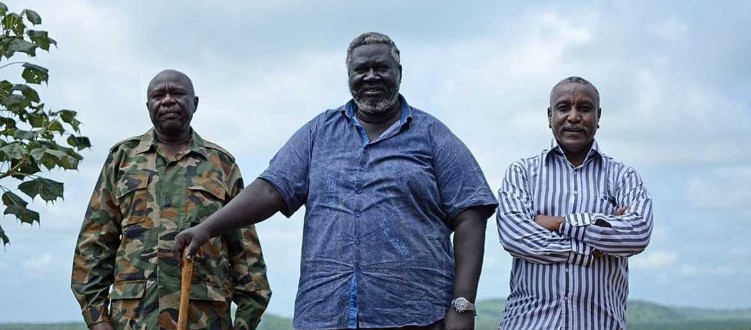
Malik Agar is one of the most prominent Sudanese political figures in recent decades, having moved from the ranks of the Sudan People’s Liberation Movement to a leadership position in state institutions, becoming one of the key players in the political scene during the transitional phase and the crisis that erupted between the Sudanese army and the Rapid Support Forces in 2023.
Who is the property owner?
Malik Agar was born in the city of Bau in the Blue Nile State in southeastern Sudan. He belongs to the Anqasta group and grew up in an environment with a Sufi presence, as his family was associated with the Samaniyya order, before later becoming involved in political and military work within the Sudan People’s Liberation Movement, which had a prominent role in the history of the Sudanese conflict.
Agar received his primary education in schools in the city of Kurmuk, then continued his intermediate studies in the city of Al-Rusayris, before moving to Khartoum to complete his secondary education at the old Khartoum School. After obtaining his secondary school certificate, he moved to Uganda to complete his university studies, and worked in the fields of teaching and administration before joining the Sudan People's Liberation Movement in the 1980s.
The role of a property owner in Sudan
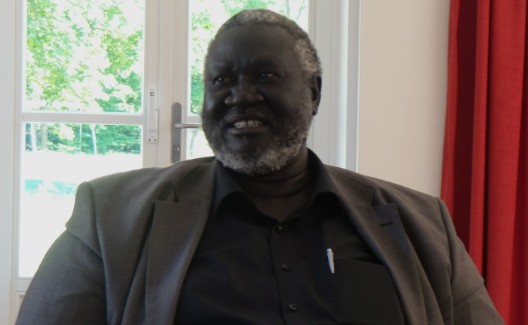
Malik Agar rose to political prominence during his career within the SPLM, and later served as governor of the Blue Nile region. He also held the position of Minister of Agriculture in the Sudanese government and was one of the signatories of the 2005 Comprehensive Peace Agreement that ended the civil war between the Sudanese government and the SPLM in southern Sudan.
After South Sudan’s secession in 2011, Agar continued his political activity by leading the Sudan People’s Liberation Movement-North, before playing a role in the new political landscape following the outbreak of war between the Sudanese army and the Rapid Support Forces in April 2023. In May of the same year, he was appointed Vice President of the Sudanese Sovereignty Council, succeeding Lieutenant General Mohamed Hamdan Dagalo Hemedti. .
The selection of Agar for this position came for several reasons, including his political experience, his representation of the Blue Nile and South Kordofan regions, in addition to his supportive stance on integrating his former forces into the Sudanese army, which his supporters considered a factor that enhances the chances of stability.
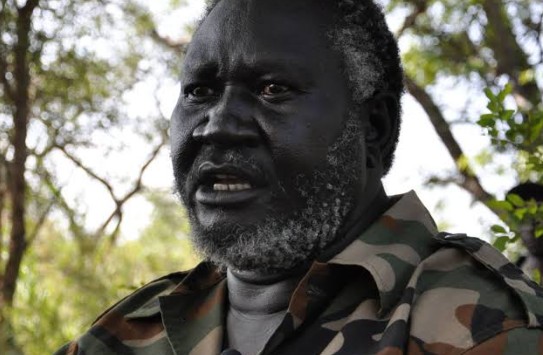
The role of a property owner in resolving the Sudanese crisis
Malik Agar proposed a political initiative to resolve the Sudanese crisis, which included calls for a ceasefire, the start of political dialogue, the formation of a transitional government, and the rebuilding of state institutions. However, the initiative faced mixed reactions from political and military forces. The Rapid Support Forces rejected it, accusing Agar of siding with the army, while the Forces of Freedom and Change expressed reservations about some of its provisions. The army, for its part, did not issue a definitive official statement on the initiative.
Malik Agar remains one of the most prominent players in Sudan's political future, given the ongoing military conflict and the complexity of the internal scene, as his personality combines military and political experience with the role of mediator in attempts to find a settlement to the Sudanese crisis.