The forgotten lung of the Earth: How is the Yingambi Forest in Congo leading the world's fight against climate change?
A safety valve for rain and African food security
Mohamed Ragab
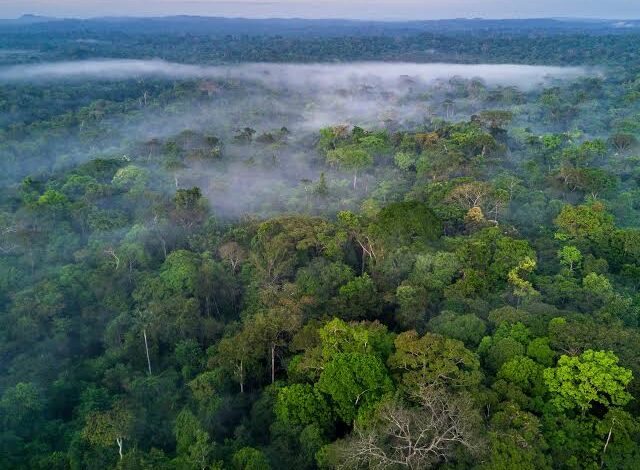
The Yangambi Forest in the Democratic Republic of Congo is one of the world's largest tropical ecosystems, and is often described as the second largest rainforest after the Amazon, due to its enormous biodiversity and crucial ecological role in regulating the global climate.
These forests are of exceptional importance in light of the escalating challenges associated with climate change, as they represent one of the most important natural “carbon stores” on the planet, and contribute directly to absorbing carbon dioxide from the atmosphere and reducing the effects of global warming.
An environmental treasure in the heart of Africa
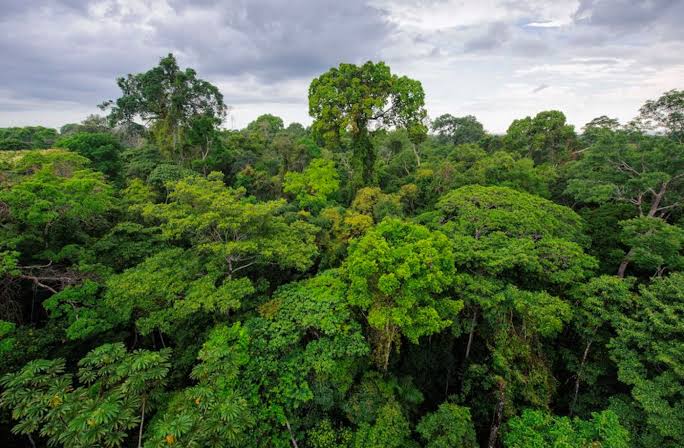
The Yangambi Forests, located within the Congo River Basin, the world’s second largest tropical river basin, are characterized by high vegetation density and unique biodiversity that includes thousands of species of plants and animals, many of which are found nowhere else in the world.
These forests play a pivotal role in stabilizing the regional ecosystem by regulating the water cycle, maintaining soil fertility, and supporting local communities that depend on natural resources in their daily lives.
Carbon absorption and combating global warming
The Yangambi Forest is considered one of the world’s most important “carbon sinks,” absorbing huge amounts of carbon dioxide annually, which helps reduce the concentration of greenhouse gases in the atmosphere.
Environmental experts emphasize that protecting these forests means preserving the balance of the global climate, as any degradation or removal of trees in them could lead to the release of enormous quantities of stored carbon, seriously exacerbating the climate change crisis.
Biodiversity and its environmental importance
The Yingambi Forests are home to exceptional biodiversity, including rare species of primates, birds, insects and medicinal plants, making them one of the most important biodiversity areas in the world.
This diversity not only represents environmental value, but also holds scientific and economic importance, as researchers rely on it to develop new medicines and study the complex ecosystems in tropical forests.
Challenges facing forests
Despite their importance, the Yingambi forests face increasing challenges, most notably illegal logging, agricultural expansion, and mining, in addition to the effects of climate change itself, such as drought and rising temperatures.
Environmental organizations warn that continued pressure could lead to widespread deterioration of forest cover, threatening the ecological balance of the entire Congo Basin region.
Protecting the future of the global climate
Protecting the Yangambi Forest is a key part of global efforts to combat climate change, as its preservation is not limited to one country, but represents a shared international responsibility to ensure the stability of the planet's ecosystem.
In light of increasing scientific warnings, investing in the protection of tropical forests and promoting sustainability programs is becoming a necessary step to preserve the future of the global climate and reduce the effects of the worsening environmental crisis.