Tattoos tell history... How did the scars of the Huli people in Benin protect their children from the slave trade?
Tattoo and scarification art
Written by Amna Hassan
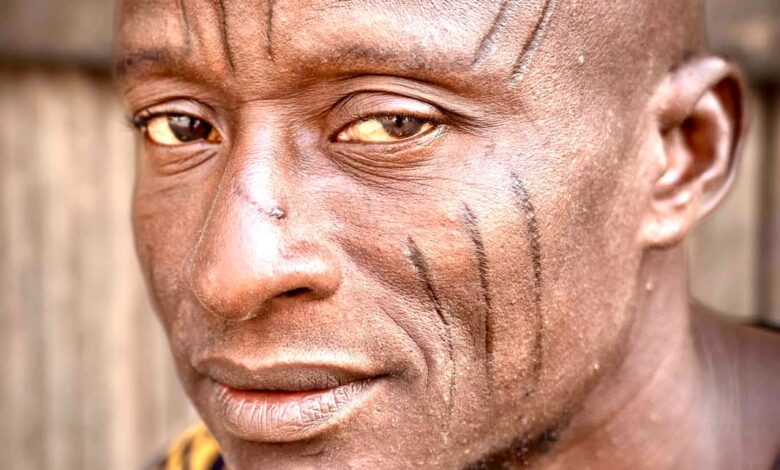
In southeastern Benin lives the Hule people, a subgroup belonging to the Yoruba ethnic group, numbering around 100,000.
This African community is famous for its ancient traditions of tattooing and scarification, practices that were not merely body decoration, but carried deep cultural, spiritual and social meanings over the centuries, making them an integral part of the people's identity.
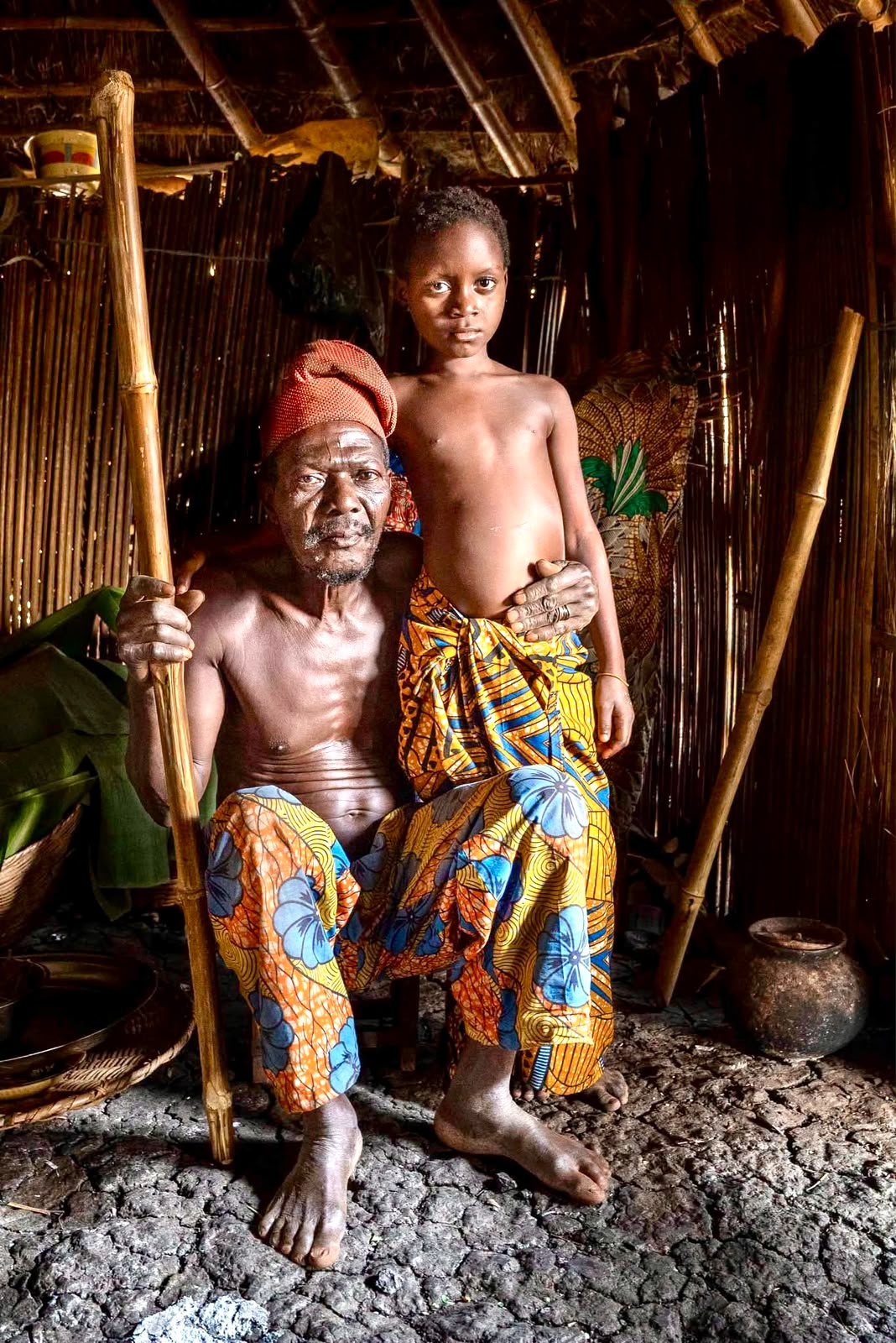
Body language is a language of identity and belonging.
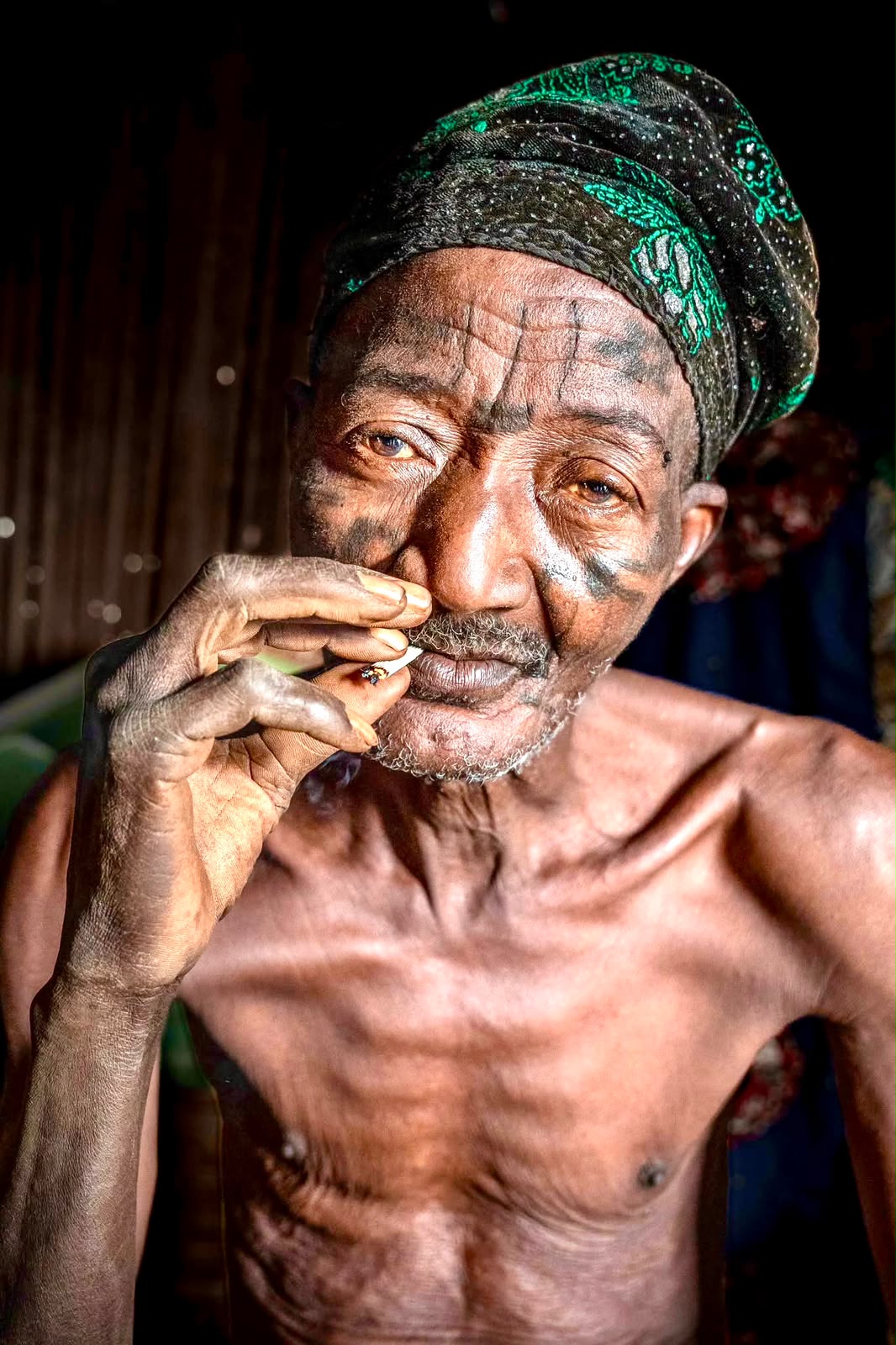
The men of the Holi people used to carve distinctive scars on their faces and bodies, as a symbol of identity and belonging to the community, and as an expression of courage, beauty, and pride in heritage.
These marks were not an individual choice, but rather an inherited social tradition that reflects the individual’s status within his community and preserves the continuity of the cultural heritage for generations.
Women's tattoos are a protection for motherhood and a symbol of life.
Women, on the other hand, received traditional tattoos on their abdomens, believed to offer protection during pregnancy and childbirth, and to embody society's respect for women as the source of life's continuation. These designs were also linked to spiritual beliefs that promoted health and fertility and brought peace of mind to mothers.
Scars that saved their owners from the slave trade
These signs played an unexpected role in one of the most tragic periods in African history, the era of the transatlantic slave trade.
Some European slave traders preferred captives without distinctive marks on their bodies, considering them more “acceptable” for sale. Therefore, the visible scars that distinguish the Huli people helped reduce the likelihood of them being targeted, turning from a cultural symbol into an indirect means of protection against one of the most heinous crimes against humanity.
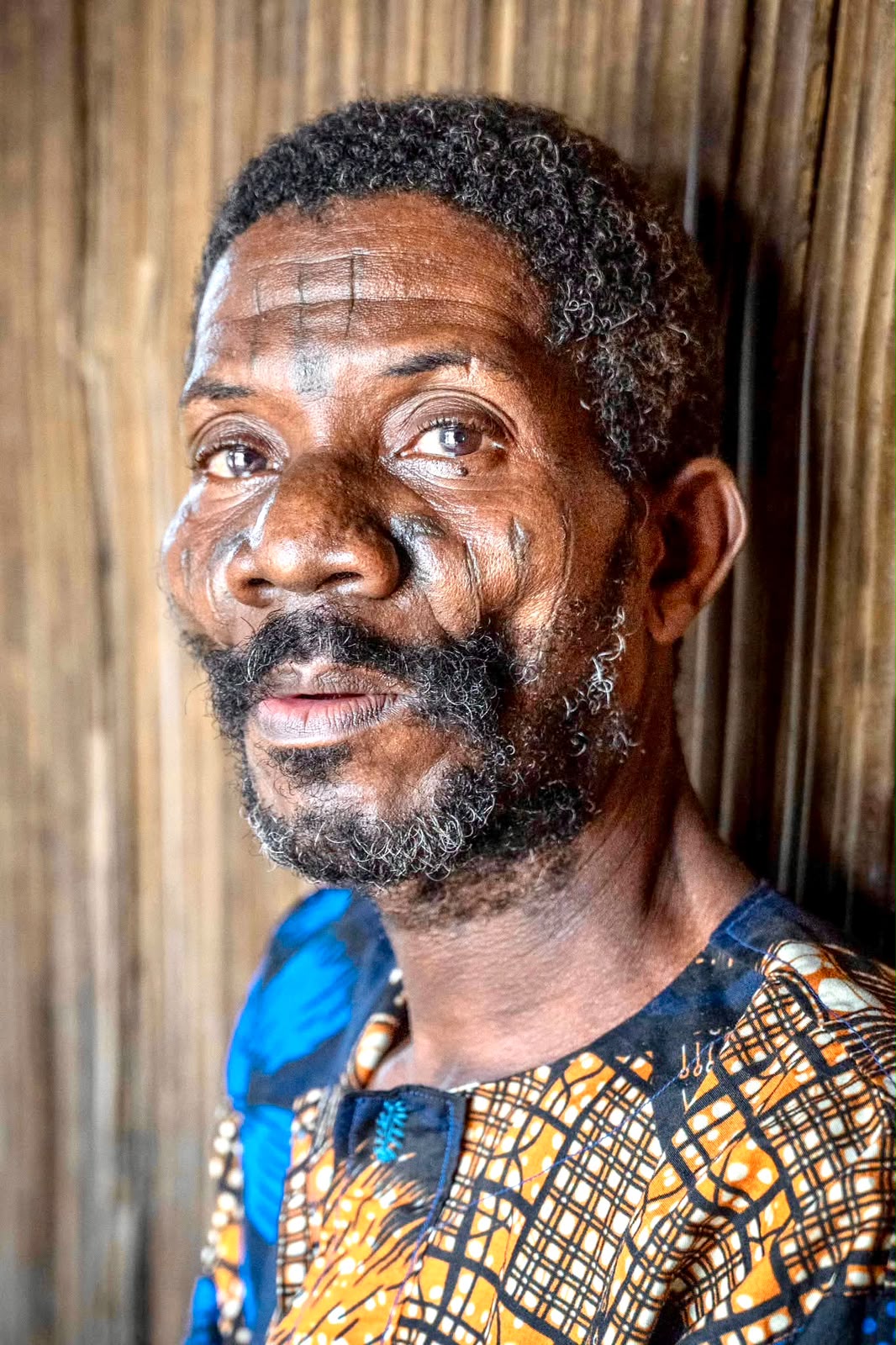
A heritage that remains despite the changing times
Skilled artisans have inherited tattooing and scarification techniques through generations, and these practices have retained significant spiritual and social dimensions. Although their popularity among young people has declined due to cultural shifts and modernization, many older people still preserve these marks that document their history and identity.
The Holi people are not only distinguished by their body arts, but are also famous for building traditional bamboo houses, often designed according to a square plan, in another reflection of the rich architectural and cultural heritage that this community has preserved over time.