Ahmed Salem
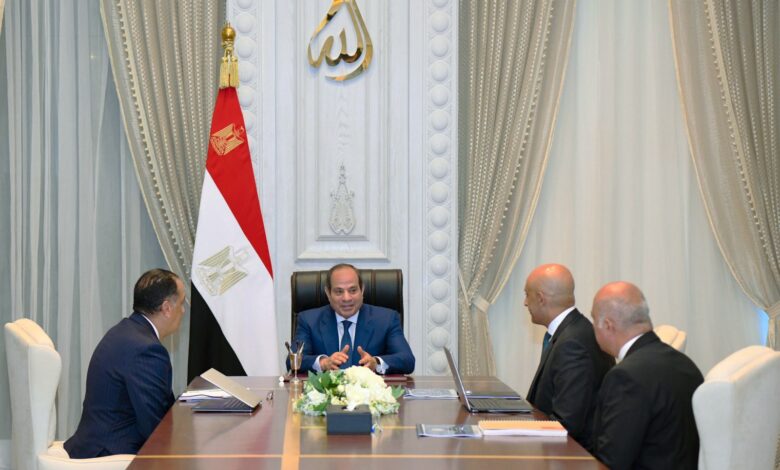
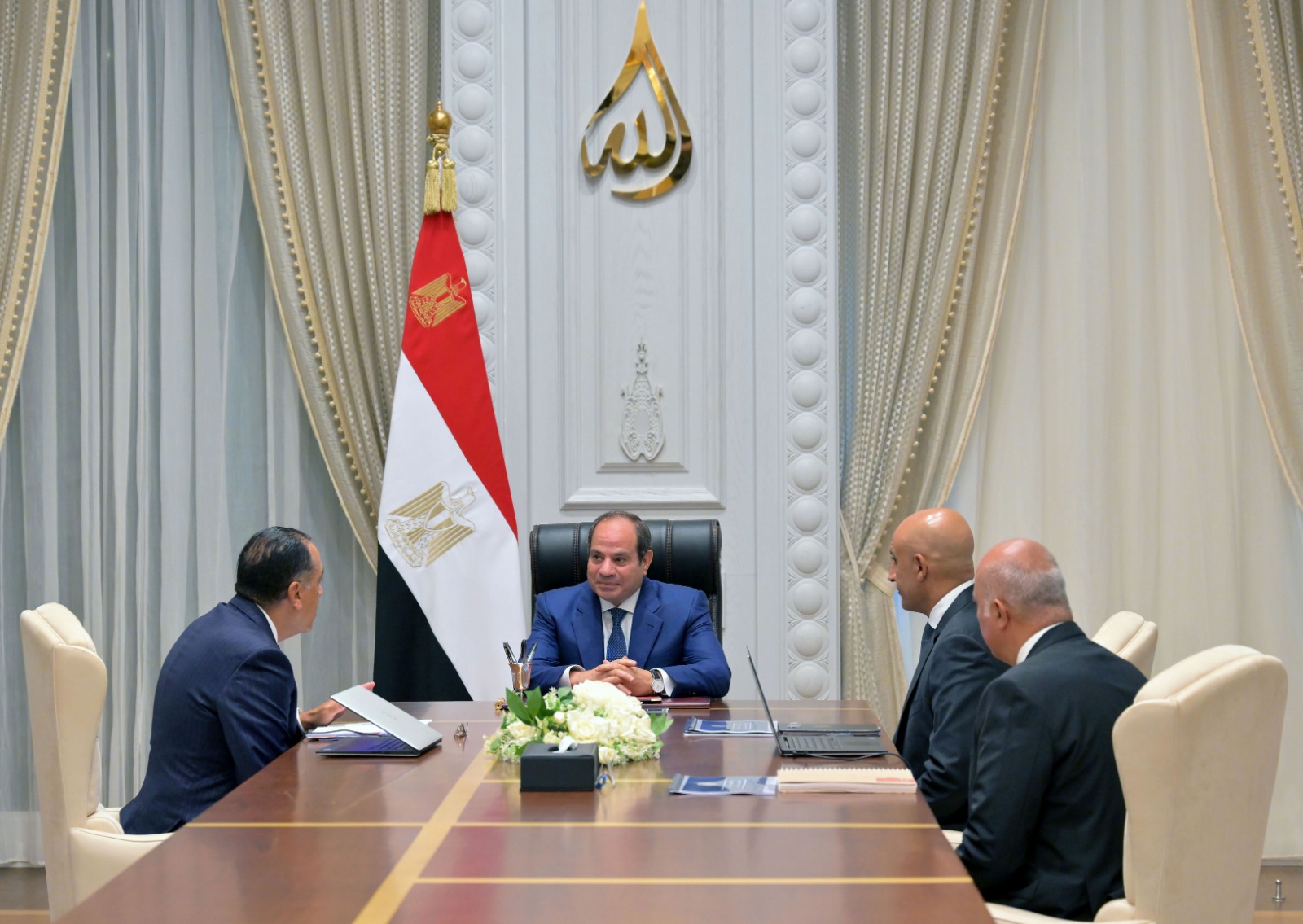
President Abdel Fattah al-Sisi met today in El Alamein with Prime Minister Mostafa Madbouly and Minister of Education and Technical Education Mohamed Abdel Latif.
The official spokesperson for the Presidency of the Republic stated that the Minister of Education and Technical Education mentioned, with regard to technical education as one of the main pillars of development, that this sector currently includes about 2.35 million male and female students within 3213 specialized schools.
Expansion of applied technology schools
He pointed to the signing of international agreements and partnerships to expand applied technology schools to reach approximately 225 schools by the beginning of the next academic year.
This comes after the signing of cooperation protocols with Italy to launch 100 applied technology schools in various disciplines starting from the next academic year, so that the partnership with the Italian side as well as the German side represents a successful model of international cooperation in developing education based on technology, creativity and production, and qualifying personnel and providing them with the skills necessary for the labor market.
Ambassador Mohamed El Shenawy, the official spokesperson, stated that the minister also reviewed during the meeting the results of Egyptian-German cooperation in developing Egyptian-German technical schools.
This culminated in the signing of a declaration of intent with the Federal Ministry for Economic Cooperation and Development of the Federal Republic of Germany regarding the development of Egyptian-German technical schools.
Graduates are awarded internationally accredited certificates.
Likewise, the graduates were granted certificates accredited by Germany, in addition to signing cooperation protocols with the German Agency for International Cooperation (GIZ), in order to develop, establish and operate 38 Egyptian-German technical schools at the beginning of the next academic year.
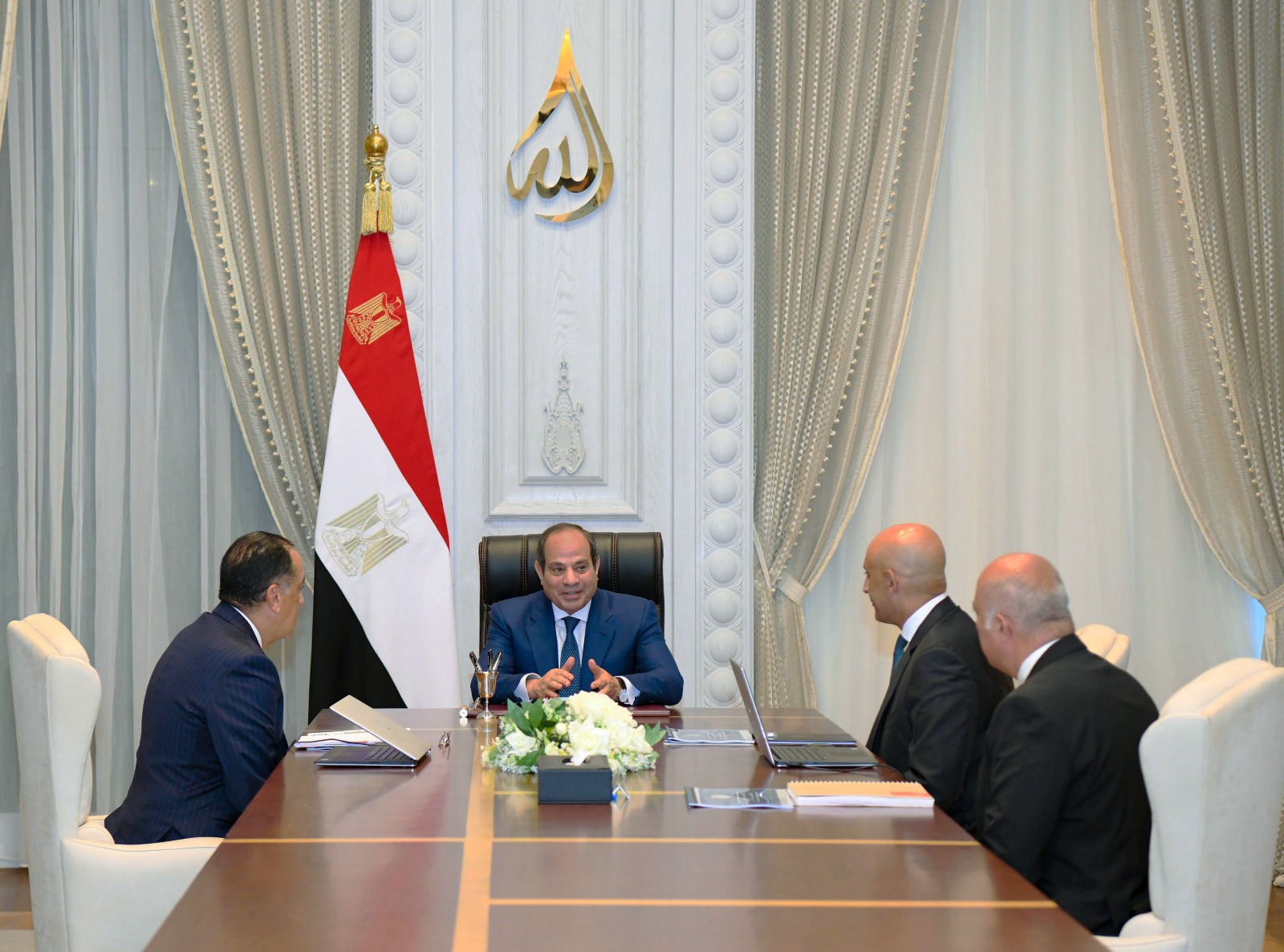
The official spokesperson indicated that the President followed up during the meeting on what the Ministry of Education and Technical Education is currently doing in reviewing the educational frameworks of the Egyptian Baccalaureate curriculum, in cooperation with the International Baccalaureate Organization (IBO).
This ensures its compliance with international best practices while preserving national identity.
Egypt's vision for modernizing the education system
Minister Mohamed Abdel Latif explained that this partnership reflects Egypt’s vision to modernize the education system through international cooperation, while preserving the character and distinctiveness of the Egyptian education system; stressing what this cooperation represents in Egypt’s journey towards building an education system capable of competing globally.
The official spokesperson explained that the meeting included a review of the Egyptian state’s efforts in developing pre-university and technical education, improving the quality of the educational process, and promoting an educational environment that supports innovation and skills development.
In this regard, the Minister of Education and Technical Education reviewed the results of the ongoing cooperation with the Japanese University of Hiroshima in implementing the TOFAS test for the subject of programming and artificial intelligence for first-year secondary school students.
In addition to cooperating with the university in implementing the financial literacy curriculum for the second year of secondary school, there is also the inclusion of programming and artificial intelligence for technical education students in the first year of secondary school through the Japanese “Kiryo” platform.
This comes in support of innovation skills and digital transformation. The Minister also reviewed planned areas of cooperation with Harvard University, particularly regarding teacher training at the Egyptian Military Academy.
For his part, the President stressed the need to continue implementing further reforms in the components of the educational system in Egypt, and to build on the gains achieved, in order to improve the level and quality of education, and to prepare generations that keep pace with the latest developments and requirements of the labor market.
He also stressed the importance of continuing to strengthen international cooperation and exchange experiences with various countries and educational institutions, in order to support efforts to develop education and benefit from the best international practices in this field.