In an unprecedented event in Zimbabwe, South Africa, a woman assumes the position of Chief Justice for the first time.
First woman to hold the position of Chief Justice
Written by: Mohammed Omran
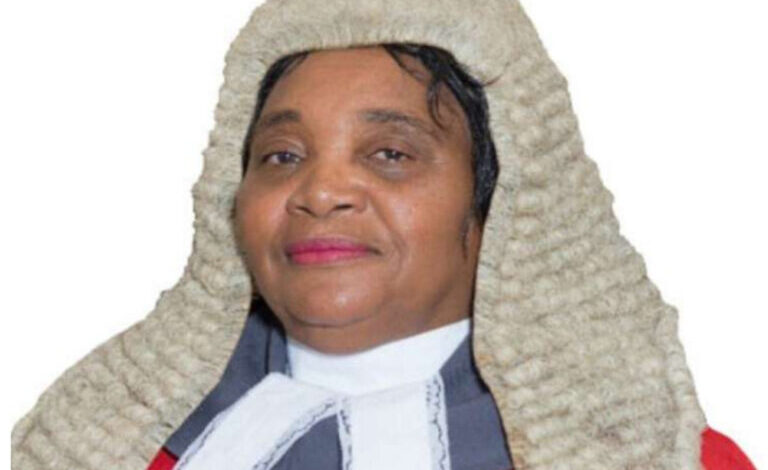
46 years after Zimbabwe's independence South AfricaThe country entered a new phase in its judicial history with the appointment of Elizabeth Gwanza as the first woman to hold the position of Chief Justice, in a move considered by many to be a victory for women's empowerment within one of the most important state institutions.
Unprecedented event in Zimbabwe, South Africa
Gwanza officially took office on Friday, following her appointment by President Emmerson Mnangagwa, succeeding Chief Justice Luke Malapa, who left his post after reaching the constitutional retirement age. The announcement was made via an official statement issued by the Chief Secretary to the President and Cabinet, Martin Rushwaya.
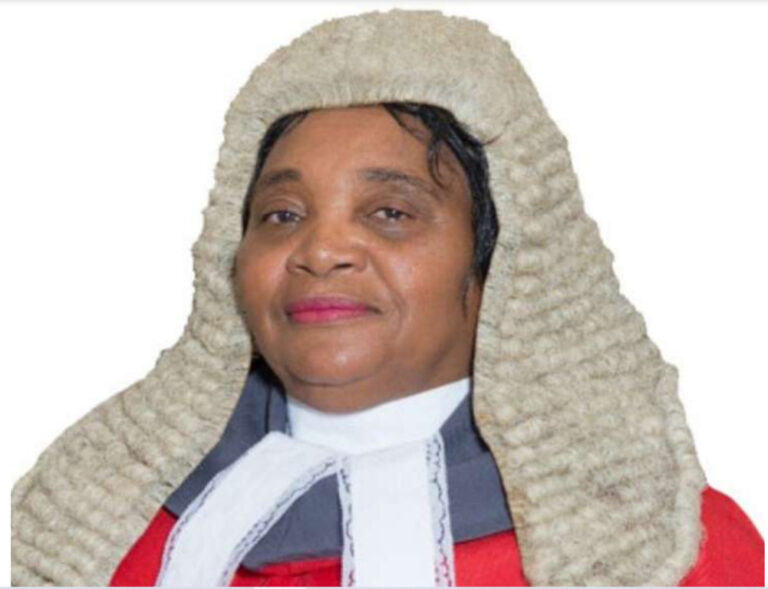
The appointment of Gwanza is not merely an administrative change within the judiciary; it is a historic event reflecting the transformations taking place in Zimbabwe regarding the role of women in leadership positions. The 73-year-old judge boasts a long legal career spanning nearly four decades, beginning with her admission as a lawyer in 1987.
During her career, Gwanza held several prominent judicial positions, becoming a Supreme Court Justice in 1998, before being promoted to the Supreme Court in 2002. She also gained international experience through her work as a judge at the International Criminal Tribunal for the former Yugoslavia.
Guanza had already made history in 2018 when she became the first woman to hold the position of deputy chief justice in the country, a position that paved the way for her to reach the top of the judicial hierarchy.
Who is the first woman to head the judiciary in Zimbabwe?
She is known for her advocacy for women’s rights, as she was one of the first black women to receive a law degree in Zimbabwe, and she co-founded the Women and Law Research Project in South Africa, which focuses on promoting legal reforms and supporting women’s rights in the region.
Observers believe that Gwanza's appointment sends a strong message about the importance of diversity and equality within official institutions, and may inspire a new generation of women in Africa seeking to reach decision-making positions.