The Somali government is banking on education to build a generation that will lead development.
Somalia strengthens its education system by conducting nationwide national secondary school examinations.
Written by: Badr Ahmed
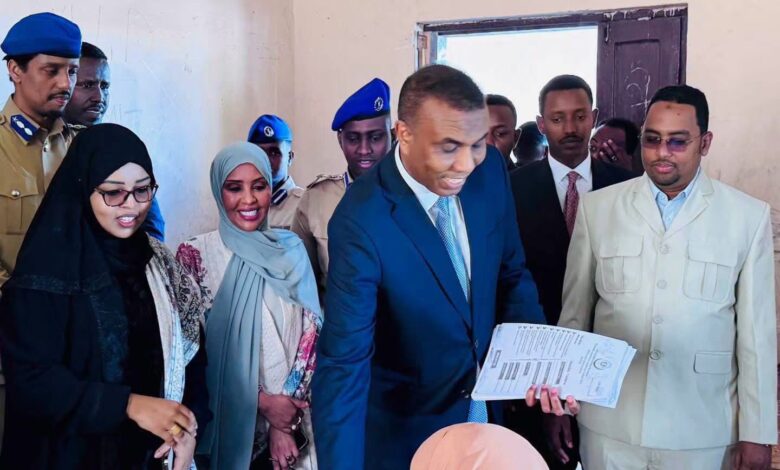
The Prime Minister of the Federal Republic of Somalia, Hamza Abdi Barre, inaugurated this morning in the capital, Mogadishu, the National Secondary School Certificate Examinations for the academic year 2025-2026, with the participation of more than 44,000 male and female students distributed across 58 regions throughout the country, in a step that reflects the government’s continued efforts to develop the education sector and enhance its stability.
The Somali Prime Minister inaugurates secondary school exams.
The inauguration ceremony took place in the presence of a number of government and educational officials, amid official confirmations of the importance of national examinations as one of the basic pillars for evaluating the outputs of the educational process, and measuring the level of academic achievement of students in various Somali states and regions.
National examinations are a major annual event in Somalia, representing a crucial milestone in students’ academic journey and determining their transition to higher educational levels, thus contributing to the preparation of a new generation of competent individuals capable of contributing to nation-building and driving development.
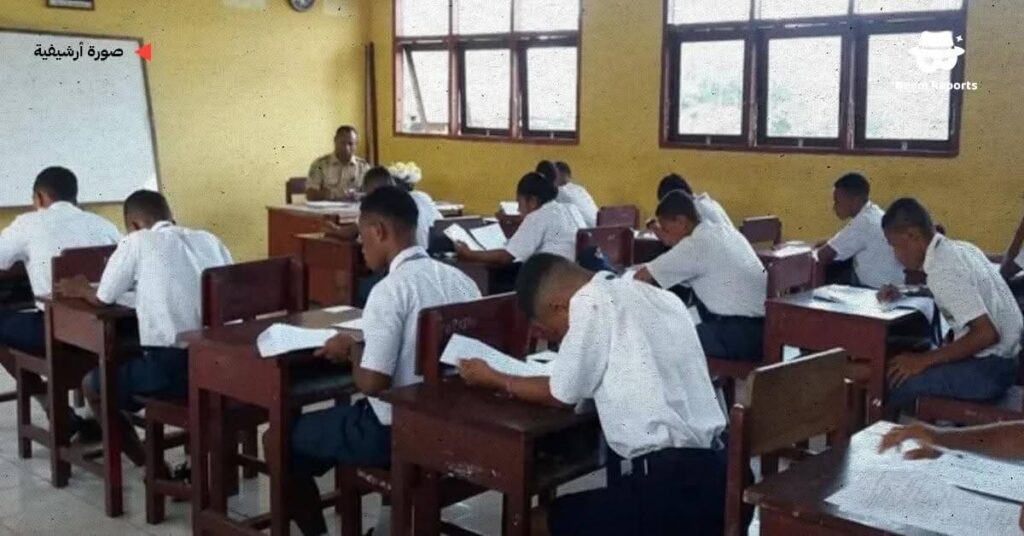
The regular and sustainable organization of examinations reflects the progress made by the education sector in Somalia in recent years, after decades of challenges that affected educational institutions and the sector’s infrastructure as a result of the security and political conditions the country has experienced.
During the past period, the Somali government has paid increasing attention to the development of education, through supporting schools and academic institutions, expanding opportunities for enrollment in education in various regions, in addition to implementing programs aimed at improving the quality of education and raising the efficiency of educational staff.
The government is also working to promote a more stable and inclusive educational environment, ensuring that educational services reach the largest possible number of students, especially in areas that have long suffered from a lack of basic services and challenges related to conflict and instability.
Observers believe that the regular conduct of secondary school certificate examinations at the national level represents an important indicator of the recovery of state institutions and the strengthening of their ability to manage vital sectors, foremost among them the education sector, which is viewed as one of the most important tools for development and rebuilding society.
Somalia places great emphasis on investing in human capital as the foundation for achieving sustainable development and establishing long-term stability. Educated youth are seen as the driving force behind reconstruction and economic and social reform projects in the coming years.
The Somali government affirms that developing education will remain a national priority, as part of its efforts to build a more prosperous future for future generations, and to enable young people to actively contribute to the country’s renaissance and enhance its standing at the regional and international levels.