A new program puts Al Jazeera on the map... Mauritius launches a $1 million golden visa
To attract elite investors worldwide
Written by Omnia Hassan
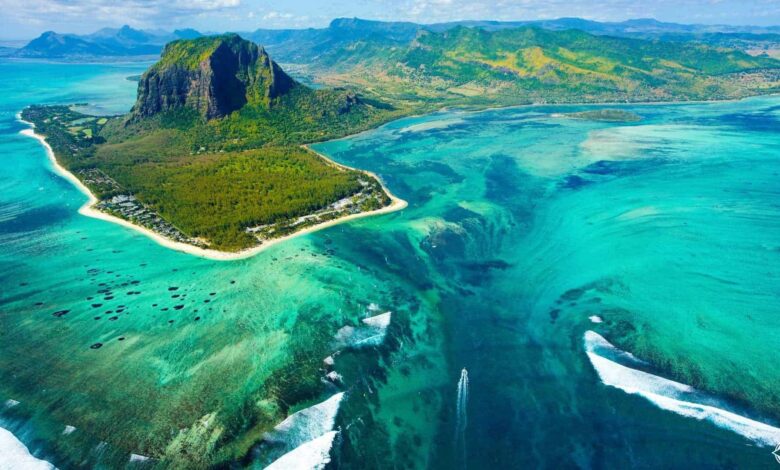
The government announced Mauritius The activation of the “Golden Visa” program with an investment value of $1 million, in a move aimed at attracting about 100 high-net-worth individuals annually.
The program grants a two-year multiple-entry visa that is renewable, provided the investment is completed within 12 months of arrival, thus enhancing the country’s position as a stable and attractive African destination for long-term capital.
Quality sectors at the heart of the strategy
The program focuses on guidance Investments This sectoral identification, encompassing financial technology, artificial intelligence, biotechnology, renewable energy, and global treasury services, reflects an official desire to attract investors capable of transferring knowledge and building added value, not just transient financial flows.
A safe environment and a transforming economy
Mauritius is one of the most peaceful countries in Africa, with a strong record of political stability and good governance.
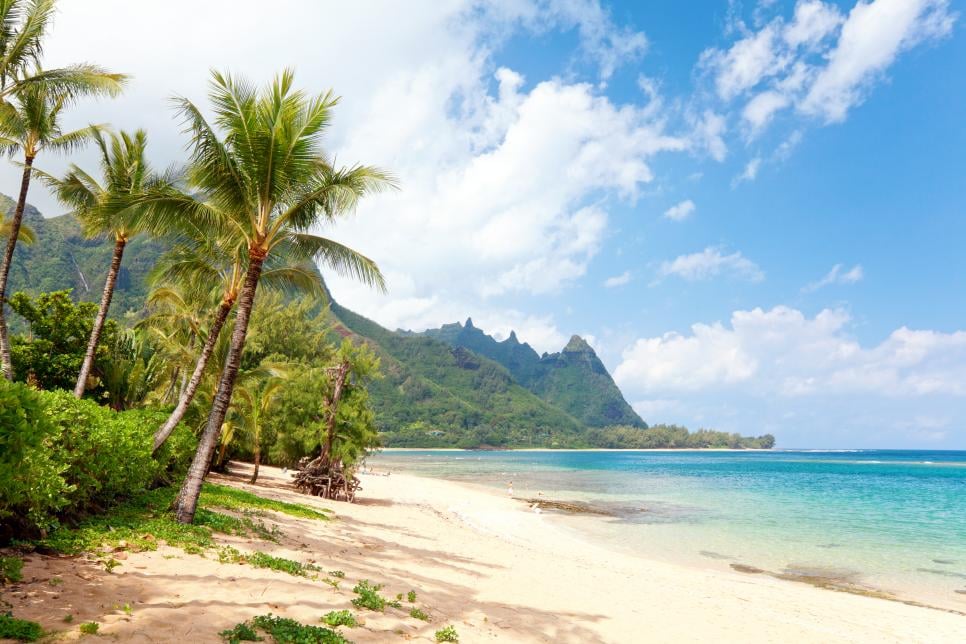
Over the decades, it has successfully transformed from a sugar-dependent economy to a diversified model driven by tourism, financial services, and light manufacturing. This combination of security and economic diversification provides a sense of confidence for investors seeking low-risk emerging markets.
Existing accommodation options and visa add flexibility
Mauritius already offers investment residency pathways, including permanent residency through real estate investment starting from $375,000, and investor work permits that extend up to 10 years. However, the Golden Visa adds the advantage of flexibility through multiple entries without long-term residency commitments, allowing investors to test the market and gradually build business networks.
The importance of the Golden Visa for the tourism sector
The program's impact extends beyond direct investment to luxury tourism. Attracting the world's wealthy translates to increased long-term stays at upscale resorts and stimulates demand for luxury services, yachts, private jets, and fine dining. Furthermore, the presence of this segment indirectly promotes the destination through their global networks, enhancing Mauritius's image as an exclusive destination that combines stunning natural beauty, a sophisticated lifestyle, and ample business opportunities.
African competition in a global market
With Europe and the United States dominating investment residency programs, African countries are seeking to carve out a share of the market through competitive offers.
The Mauritian model stands out as one of the most clear and stable offerings, combining quality of life, modern infrastructure and growth opportunities in an emerging continent.