Ramaphosa warns anti-immigrant groups and confirms rejection of the June 30 deadline.
South African president rejects threats against migrants
Written by: Mohamed Ragab
South African President Cyril Ramaphosa warned anti-immigrant groups against taking the law into their own hands, stressing that the government will not allow any acts of intimidation or violence against foreigners residing in the country, as the deadline set by some groups for the departure of irregular migrants by June 30 approaches.
Ramaphosa stressed that enforcing immigration laws and combating illegal residency is the sole responsibility of state institutions and official bodies, emphasizing that any attempts to incite or carry out actions outside the framework of the law will be met with firmness.
Tensions escalate ahead of the end of June
In recent weeks, South Africa has witnessed an escalation in anti-immigrant rhetoric, with some groups demanding that the government take stricter measures against irregular migrants and setting the end of June as a deadline for them to leave the country.
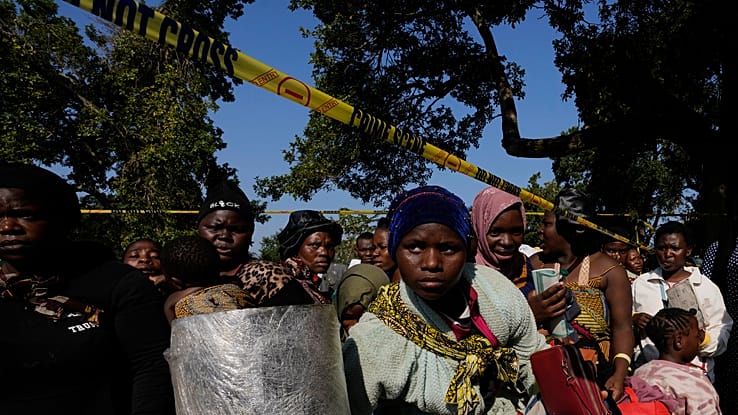
These calls have raised widespread fears of potential violence or unrest, especially in light of recent incidents targeting some migrants and rising tensions in a number of cities and residential areas.
The government affirms the state's monopoly on law enforcement.
The South African president affirmed that the relevant authorities, including the Department of Home Affairs, the police, and the Border Management Department, continue to implement laws relating to immigration and residence in accordance with the applicable legal frameworks.
He pointed out that the government is working to address the shortcomings in managing the immigration file, while continuing to deport illegal residents according to official procedures, away from any individual or collective practices.
He also stressed that the economic crises and unemployment facing the country cannot be blamed on immigrants alone, emphasizing that addressing these challenges requires boosting economic growth, creating jobs, and increasing investments.
Fears of renewed violence
Recent tensions have led to a state of anxiety among foreign communities residing in South Africa, with a number of migrants leaving their residential areas, while some African countries have sought to help their citizens who wish to return to their countries.
Human rights organizations warn of a repeat of the violence that the country witnessed in previous years, which targeted foreigners and resulted in deaths and significant material losses.
Calls for calm and dialogue
President Ramaphosa called on citizens to maintain social peace and not to be drawn into calls for hatred or incitement, stressing that South Africa is a country based on the rule of law and respect for human rights.