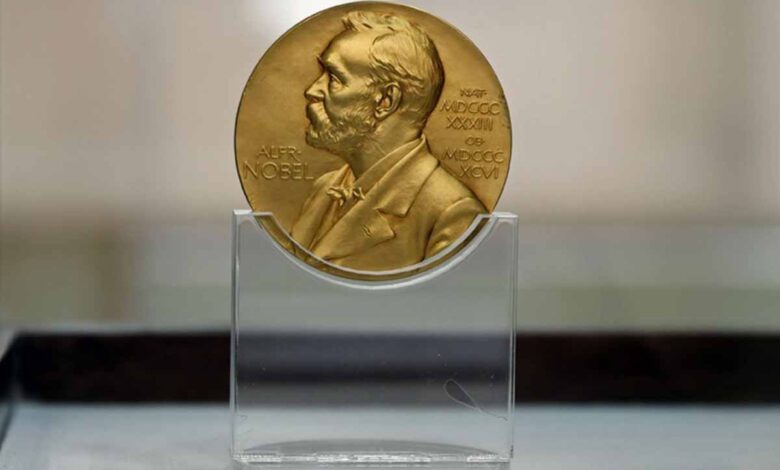
Nobel Prize in Africa: A continent that has produced global icons in literature, peace, and science
How did Africa become a source of inspiration for the Nobel Prizes in Peace and Literature?
Written by: Badr Ahmed
Despite the political, economic and developmental challenges that the African continent has faced over the decades, a number of its people have succeeded in securing a prominent place on the world stage by winning the Nobel Prize, which is considered the highest international award in the fields of peace, literature, science and economics.
Many African names have become global icons in the struggle for freedom and human rights, and in literary creativity and scientific achievement, making the African continent strongly present in the record of the world’s most famous prize.
A story that began in 1951
Since the first Nobel Prize was awarded to an African in 1951, African achievements have continued in multiple fields, although the continent's share of scientific awards remains lower compared to Europe and North America, due to limited spending on scientific research and weak scientific infrastructure in many countries.
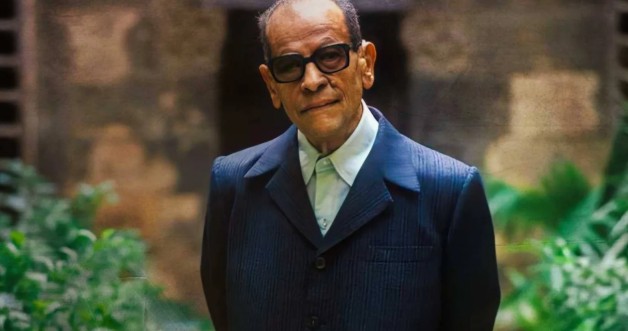
The Egyptian writer and scholar Naguib Mahfouz is considered one of the most prominent recipients of the prize in Africa and the Arab world, having won the Nobel Prize in Literature in 1988, becoming the first Arab to receive this global honor. His novels contributed to introducing the world to Egyptian society and its political and social transformations.
In South Africa, the award became associated with the struggle against apartheid, with the late leader Albert Luthuli receiving it, followed by Desmond Tutu and Nelson Mandela, who became global icons in the fight for freedom and national reconciliation.
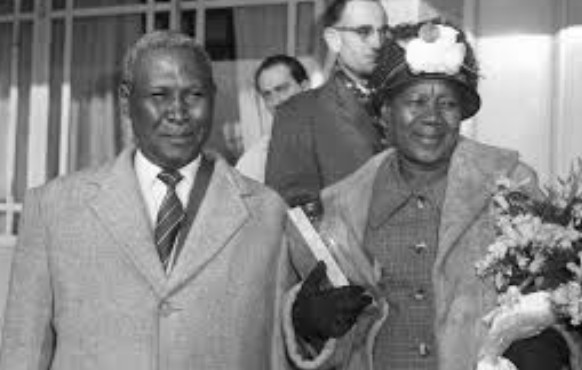
female presence
The continent also witnessed the crowning of prominent female figures, most notably Kenyan Wangari Maathai, the first African woman to win the prize in recognition of her efforts in protecting the environment, and Liberian Ellen Johnson Sirleaf, the first elected female president in Africa, who shared the prize with activists in the field of women’s rights and peace.
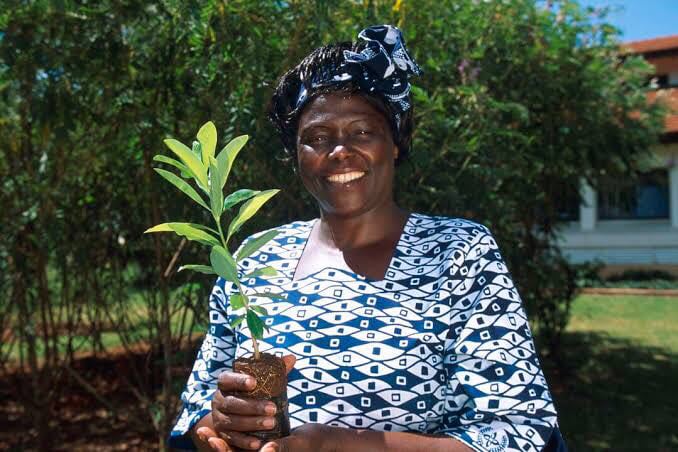
In the literary field, the Nigerian writer Wole Soyinka, the first black African to win the Nobel Prize for Literature, stood out, followed by the South African writer J.M. Coetzee, while the Tanzanian writer Abdul Razak Garang strengthened the continent’s presence in world literature.
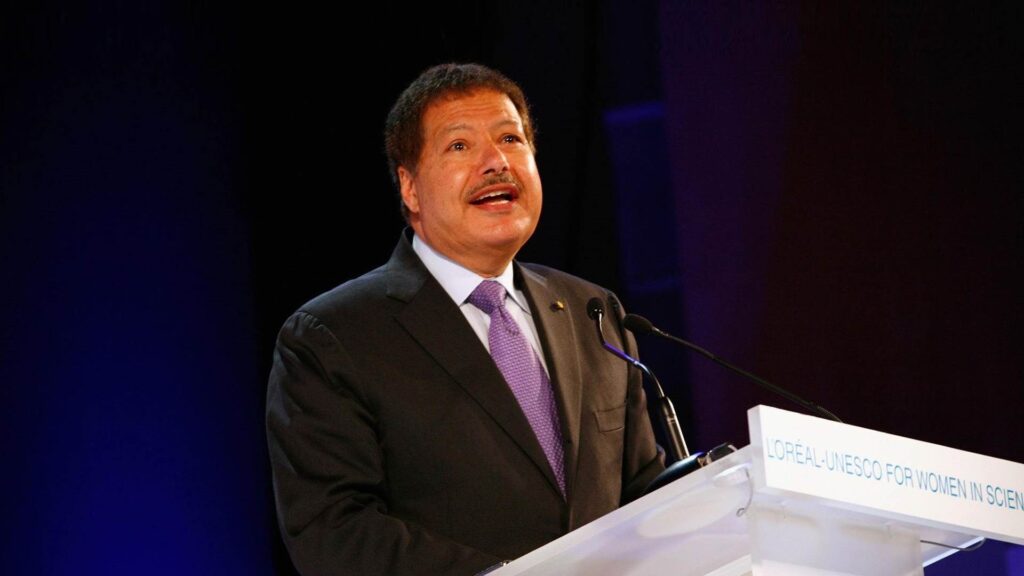
In science, the Egyptian scientist Ahmed Zewail achieved a historic accomplishment with his discoveries in femtosecond chemistry, becoming one of the most prominent scientific figures of African origin to reach the Nobel Prize.
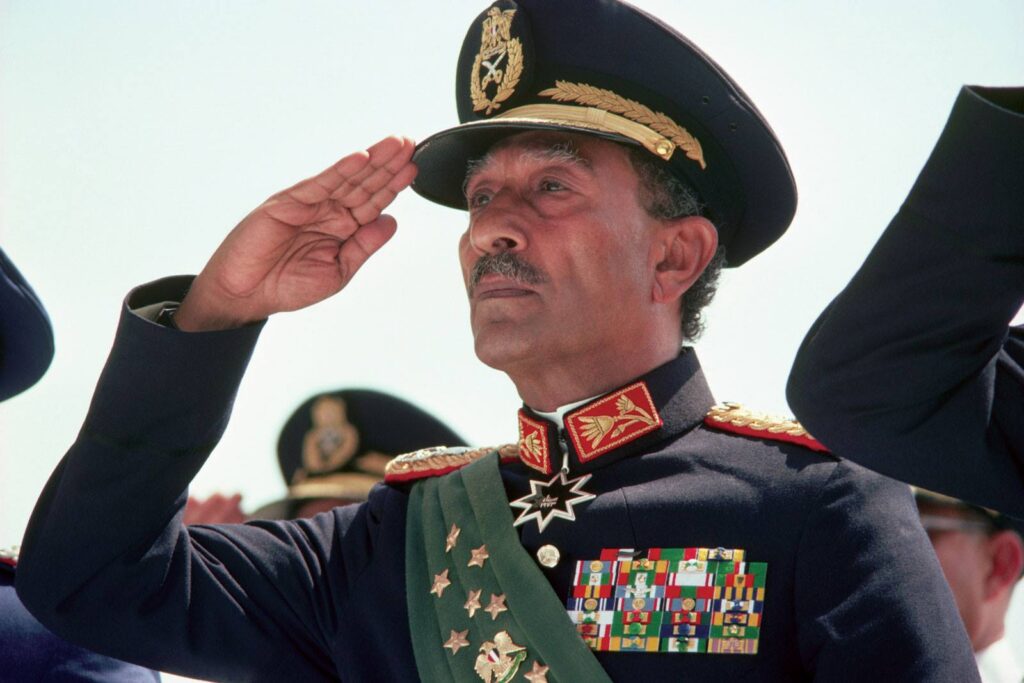
Africa also entered the field of the Nobel Peace Prize through the gateway of major political transformations. The late Egyptian President Anwar Sadat was the first Arab and African leader to win the prize in 1978, jointly with Menachem Begin, in recognition of the Camp David Accords that ended the state of war between Egypt and Israel. His experience became a classic model for awarding the prize to leaders who made major political transformations in sensitive historical moments.
In the contemporary African context, Ethiopian Prime Minister Abiy Ahmed received the award in 2019 after signing a peace agreement with Eritrea that ended decades of conflict. However, the experience later sparked widespread controversy after the outbreak of the Tigray war, opening a global debate about the timing and limits of political awards.
Despite these successes, Africa still faces the challenge of a limited number of Nobel laureates compared to its population size and human potential. Experts believe that investing in education and scientific research is the most important way to increase Africa's presence at the Nobel Prizes in the coming decades.
The stories of African Nobel Prize winners remain a testament to the continent’s ability to produce exceptional figures whose influence has transcended the borders of their countries, becoming part of human history, confirming that Africa is not only a continent of challenges, but also a continent of achievements, creativity, and leadership.